




A Short History of Churn
Since the abolition of its monarchy in 2008, Nepal has cycled through a string of short-lived governments, commonly counted as 14 different cabinets in little more than a decade and a half. No administration has consistently served a full five-year term, and frequent changes at the top have become the norm rather than the exception. This pattern of political churn has left Nepal with recurring policy starts and stops, and has eroded public faith in ordinary democratic processes.
You May Like to Read: Nepal’s Uprising: Lessons Beyond Borders
How Instability shows up in the Economy
Political uncertainty matters because it changes the incentives of investors, businesses and ordinary households. Nepal’s growth has been uneven. After pandemic shocks and policy interruptions, the World Bank recorded only modest recovery rates in recent years, with risks to near-term growth when political turmoil spikes. Nepal’s economy has shown resilience with 4.9% growth in H1FY25, but recurring political instability magnifies shocks from floods, remittance slowdowns, and financial sector stress. Frequent policy disruptions risk undermining gains in agriculture, industry, and fiscal consolidation, leaving long-term growth fragile despite short-term recovery.
Ratings agencies and multilateral lenders watch these shifts closely, repeated crises raise borrowing costs, slow foreign direct investment and reduce tourism and remittances during flareups. That weakens the state’s ability to maintain services and invest in jobs.
The Tipping Point: Youth, Corruption and Fragile Social Contract
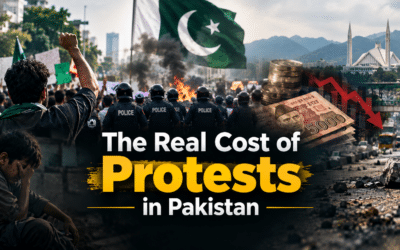
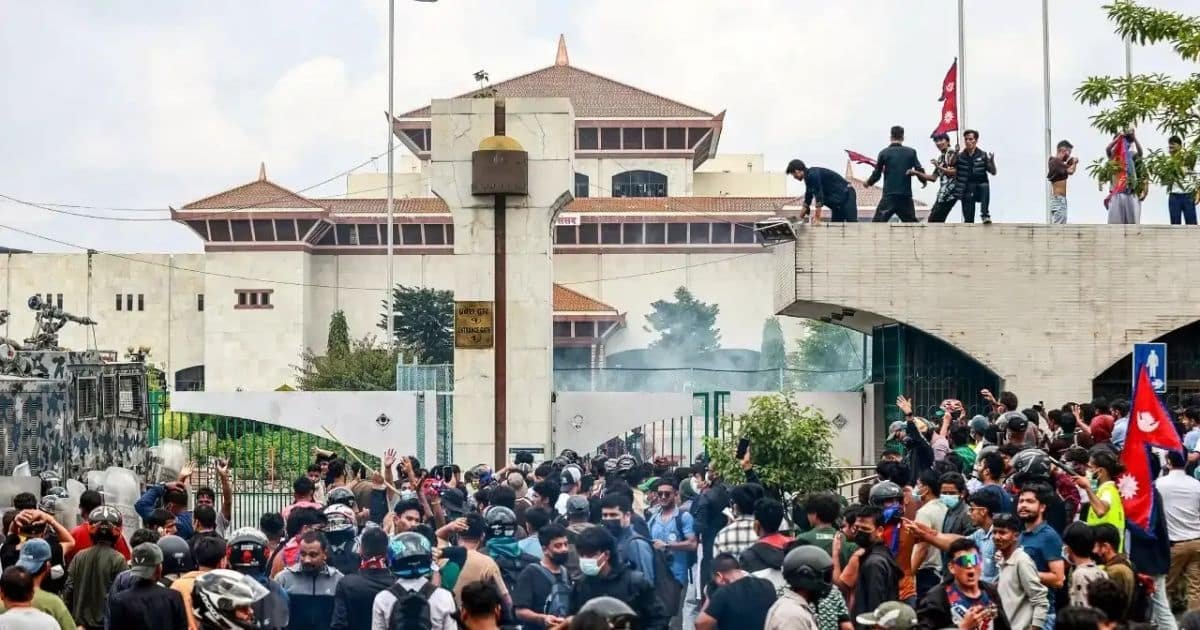
The recent wave of protests led by younger Nepalese, often described as a Gen-Z movement, shows how unresolved grievances can quickly turn into political crises. The Nepal Gen-Z protests were primarily triggered by the government’s sudden ban on 26 social media platforms starting September 4, 2025. The unrest has turned violent, leaving at least 22 dead. Anger at corruption, weak service delivery and limited job prospects combined with visible episodes of elite impunity to produce mass street mobilization in 2025 that ultimately forced a prime minister to resign and prompted an interim government. When citizens feel formal politics does not deliver, unrest becomes a channel for demands, but it also risks destructive outcomes.
Institutional Weakness, and Coalition Fragility
A key structural problem in Nepal has been fragile coalitions built around narrow interests rather than durable programs. Parties split and recombine; confidence votes and court interventions have been frequent. These institutional weaknesses mean policy is often transactional; long-term projects stall when administrations change. Courts, civil service resilience and party discipline are vital stabilizers, where they are weak, policy continuity suffers. Scholars who study Nepal’s economy point to political instability as a measurable drag on sustained growth.
Costs Beyond Numbers: Services, Investment and Trust
The everyday cost of instability is not only seen in headline GDP numbers. Public infrastructure projects are delayed, education and health budgets are reshuffled, and private businesses postpone expansion until the political horizon clears. The knock-on effects also include brain drain and a steady erosion of trust between citizens and institutions. When people lose faith that the state can deliver, the social compact frays, and rebuilding trust is far harder than holding another election.
Lessons for Pakistan: Strengthen Institutions, not Personalities
Pakistan and Nepal are different in many ways, but the broad lesson is universal. Resilient institutions matter more than personalities or short-term coalitions. Pakistan’s own history of political swings, judicial interventions and military influence shows how fragile arrangements can interrupt development priorities. Prioritising institutional reform, including an impartial civil service, transparent public procurement, a predictable legal framework and stronger internal party democracy, reduces the temptation for political actors to rely on ad hoc fixes. Investing in these measures makes policy less vulnerable to sudden political storms.
You May Like to Read: Reimagining Accountability: Can Pakistan Build Independent, Transparent, and Citizen-Centric Institutions?
I. Youth Engagement must be Constructive, not Combustible
Nepal’s protests underline that young people will not wait indefinitely for jobs and accountability. For Pakistan, the message is clear: create credible pathways for youth participation in politics, skills training linked to real jobs, and meaningful anti-corruption mechanisms. When young citizens see channels for change within the system, they are less likely to resort to disruptive protest; when those channels are clogged, instability becomes more likely.
II. Policy Continuity: Build Cross-Party Compacts on Basics
Another practical lesson is the value of cross-party agreements on core national priorities, infrastructure, education, energy and macroeconomic stability. These need not erase political competition, but they can protect long-term projects from being abandoned after every change of government. Formal bipartisan or multi-stakeholder compacts, backed by transparent monitoring and civil-society oversight, help anchor policy across political cycles.
Conclusion: Prevention is Cheaper than Repair
Nepal’s experience shows that repeated government collapses are expensive, economically, socially and politically. For Pakistan, the choice is whether to double down on short-term politics or invest in the harder work of building institutions, expanding youth opportunity, and forging cross-party agreements on essentials. The former risks recurring crises that set back development; the latter raises the chance that democratic competition will produce stable, inclusive progress. In the end, preserving democratic norms and designing systems that survive party politics is the most reliable way to protect both prosperity and public trust.
You May Like to Read:
- The Bureaucracy of Instability: How Administrative Inefficiency, and Policy Reversals Undermine Long-Term Stability in Pakistan
- Beyond the Badge: Systemic Flaws in Policing and Public Trust
- The Symbiosis of Crime, and Terror
- The Debate Over Cybercrime Laws in 2025 | Cybercrime and Digital Rights
- Police Reforms and Capacity Building: A Stalled Agenda Against Crime