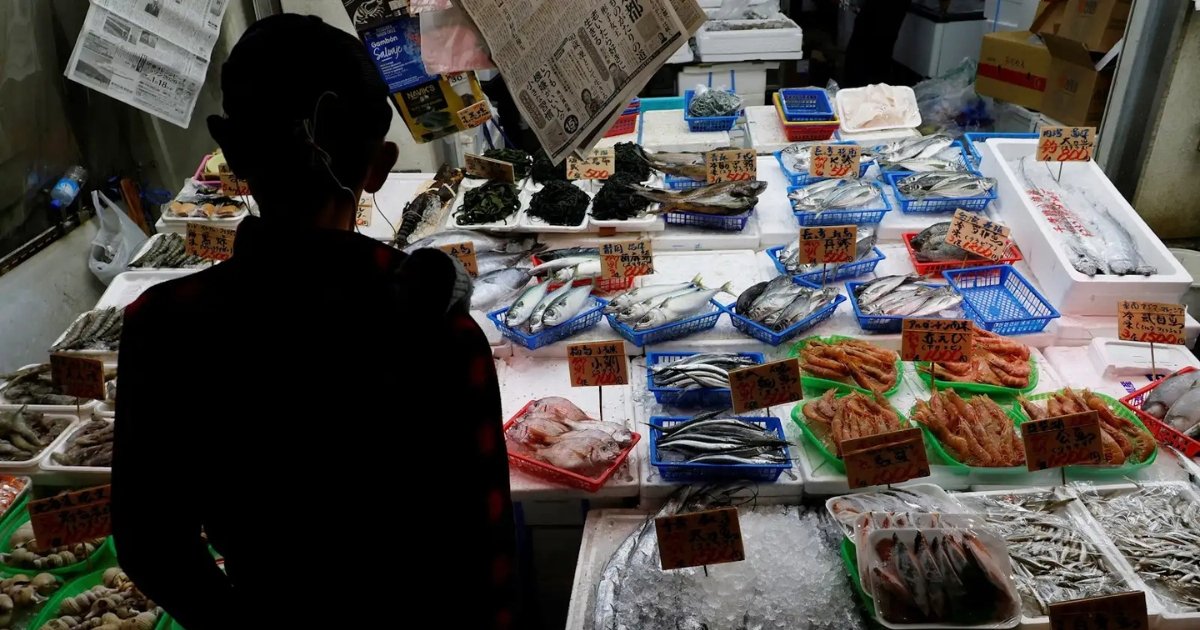




China warned Wednesday that there is “no market” for Japanese seafood exports amid a deepening diplomatic rift with Tokyo over Prime Minister Sanae Takaichi’s comments linking a potential Chinese attack on Taiwan to Japan’s national security interests, raising fears of a full import suspension.
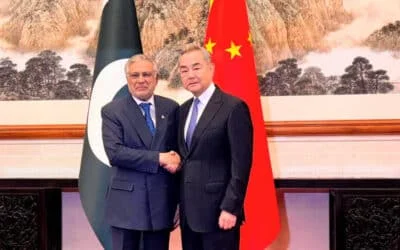
Foreign Ministry spokesperson Mao Ning stated at a regular briefing: “Due to the erroneous remarks by Japanese Prime Minister Sanae Takaichi on important Taiwan issues, there has been strong public outrage in China. Under the current circumstances, even if Japanese seafood were exported to China, there would be no market for it.” Mao urged Japan to retract the statements and take “concrete actions” to safeguard bilateral ties, or face “further measures.”
China will again ban all imports of Japanese seafood as a diplomatic dispute between the two countries escalates, Japanese media report https://t.co/pbEf6LIFWh pic.twitter.com/OPEWrk9Xwq
— Al Jazeera English (@AJEnglish) November 19, 2025
The veiled threat follows reports from Japanese media outlets NHK and Kyodo, citing government sources, that Beijing had notified Tokyo of plans to ban all seafood imports—a reversal of partial easing earlier in 2025 after a 2023 suspension over Fukushima wastewater releases. Japan’s Chief Cabinet Secretary Minoru Kihara confirmed no formal notification had been received but stressed Beijing’s actions contradict leader-level commitments for “mutually beneficial” relations.
You May Like To Read: Amazon Sells $15 Billion in Bonds to Fuel Massive AI Expansion
Takaichi’s November 7 parliamentary remark—that a Chinese assault on Taiwan, 100 km from Japan’s Yonaguni Island, could invoke the “survival-threatening situation” clause under 2015 security laws, allowing Self-Defense Forces action—crossed Beijing’s “red line” on Taiwan sovereignty. China, viewing the self-governing island as a breakaway province, has since issued near-daily denunciations, a travel advisory for Japan (prompting ~500,000 flight cancellations), and student safety warnings. Chinese airlines like Air China and China Eastern offered refunds, devastating Tokyo’s tourism sector—China sent 7.5 million visitors January–September 2025.
The seafood salvo targets Japan’s $1.5 billion annual exports to China (20–25% of total), hitting fisheries still recovering from the 2023 ban. Nearly 700 exporters had re-registered post-easing, per Agriculture Minister Norikazu Suzuki. Taiwan’s President Lai Ching-te countered by posting sushi photos on X, promoting Japanese seafood.
With Japan-China talks scheduled Tuesday, Tokyo scrambles to de-escalate, warning citizens in China to avoid crowds. Analysts warn prolonged tensions could shave 0.5% off Japan’s GDP, straining Asia’s top economies
Check out our latest video: