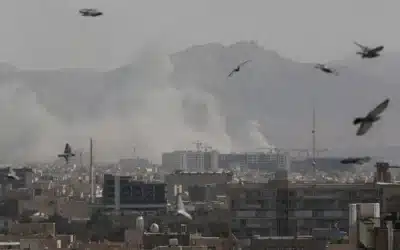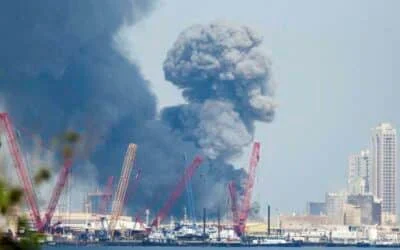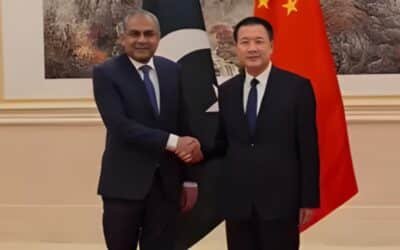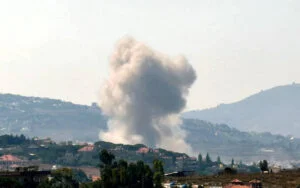
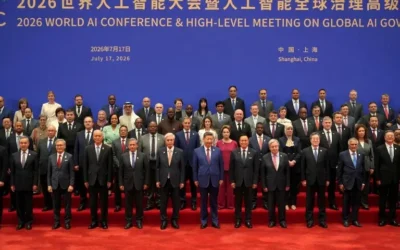
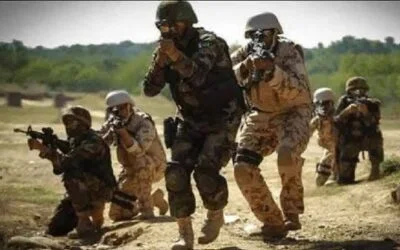


The Pahalgam attack was enough to send a jolt throughout the region; however, the rash and unsupported reaction of India caught international attention more. Within a few hours, New Delhi attacked Pakistan, accusing it of being the mastermind behind the attack, though it did not present any credible evidence. The accusations against Pakistan were based only on surmises and conjectures. There was then a miscalculated exercise to project itself as a victim of cross-border terrorism in a bid to gather sympathy from the international community and isolate Pakistan on a diplomatic basis.
Nevertheless, this plan soon came undone. The story of India, instead of picking up steam, caused suspicious curiosity, thereupon making its traditional Western allies reluctant to give it support. In attempts to dominate the scene of diplomacy, India instead became more isolated on the multilateral stage. Like BRICS and QUAD, where its aggressive attempts to take centre stage were considered politically driven and ineffective.
Allegations and Pseudo-storycraft
Following the Pahalgam attack, India wasted no time in blaming Pakistan, but could not offer any corroborating intelligence or forensic evidence to prove its case. As a result, it took little time before the Indian government engaged the international media and diplomatic community to declare Pakistan a state sponsor of terrorism based only on its narrative front. This was an outright move to exercise narrative control, to the detriment of judicial discretion.
Nevertheless, the lack of hard evidence generated denunciations among the impartial observers and experts of the security sectors, most of whom considered the reaction as politically motivated and strategically untimely. The demand for a fair investigation became loud, and the answers that India provided remained questionable and doubtful. The Pahlgham incident and the Indian reaction to it made one thing clear: India’s efforts were not aimed at combating terrorism but rather at publicising the incident and the malign Pakistan. This move by India eventually backfired, as it found itself isolated on the multilateral forefront.
Increase Actions to support Victimhood
India responded to the attack on Pahalgam with a theatrical display of military preparation, lining up forces on the Line of Control and drumming up talk of surgical strikes, whose rhetorical effect was intended to give notice that India wore an iron fist. The visuals of full-blown drills and the focus on the concept of Operation Sindoor in Delhi helped to perpetuate the story of victimhood and determination.
Country-wise, the government has used the tragedy as political mileage: During election time, Prime Minister Modi frequently appeared in military-themed images, even wearing army-like outfits at his rallies. His party, the BJP, also displayed military operation designs on train items. The opposition groups called this election propaganda.
Internationally, India tried to depict itself as patient, but firm, and encouraging international sympathy and support. Critics, however, described the buildup as performative, a show not intended to succeed as the long-term strategy; but at meeting political optics to please the home front and rouse patriotic solidarity, not to do something about terror but instead generate public relations worthy of the Daily Show instead.
The Unwillingness and Strategic Distances of Western Allies
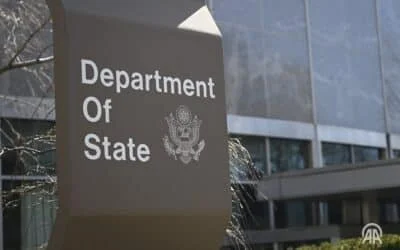
Western powers upheld a well-conserved stance after India accused Pakistan of the attack at Pahalgam. Although the U.S. State Department indicated that it stood with India and it was shocked by the terrorist act, it did not come out clearly to condemn Pakistan, but called on both countries to find a way to come up with a responsible solution to that end.
Equally, the rhetoric of the EU, put out by such voices, urged restraint, dialogue, and military de-escalation instead of going out and supporting India’s condemnation of Pakistan by mouth. A common push and a concerted criticism of Pakistan by the important American and European forces came forth in the lack of clear-cut evidence illustrating a sort of strategic reserve in siding with one party.
U.S., U.K., and the EU-at-large chose to take a passive turn toward assertiveness by intimating New Delhi not to create undue disturbance in this regard. Even during his India visit, U.S. Vice President JD Vance cautioned against the military escalation by emphasising that Washington was hopeful that the reaction by India would not turn into some kind of broader-based war in the region.
In the meantime, the G7 foreign ministers, including the U.K., followed the larger international community in its call to use the utmost amount of restraint and stick to humanitarian protection rather than indignation toward Pakistan. This strategic prudence highlighted the view by Western powers to favour de-escalation and multilateral diplomacy rather than support well-fought claims.
Non-diplomatic support at Multilateral forums
BRICS, though having a balanced stand, wanted to give equal consideration to the Indian point, which it succeeded in doing with a non-direct anti-Pakistan resolution. Although the BRICS Parliamentary Forum, with the inclusion of China and Russia, passed a mutual condemnation of the Pahalgam attack and reiterated the idea of zero tolerance to terrorism, the statement did not directly mention Pakistan and did not support the New Delhi narrative.
In the corresponding BRICS Foreign Ministers Meeting, an echo of the Indian demands to reconfigure global governance and collaborate in fighting terror was heard, but the group did not actively follow along the more confrontational line being espoused by India.
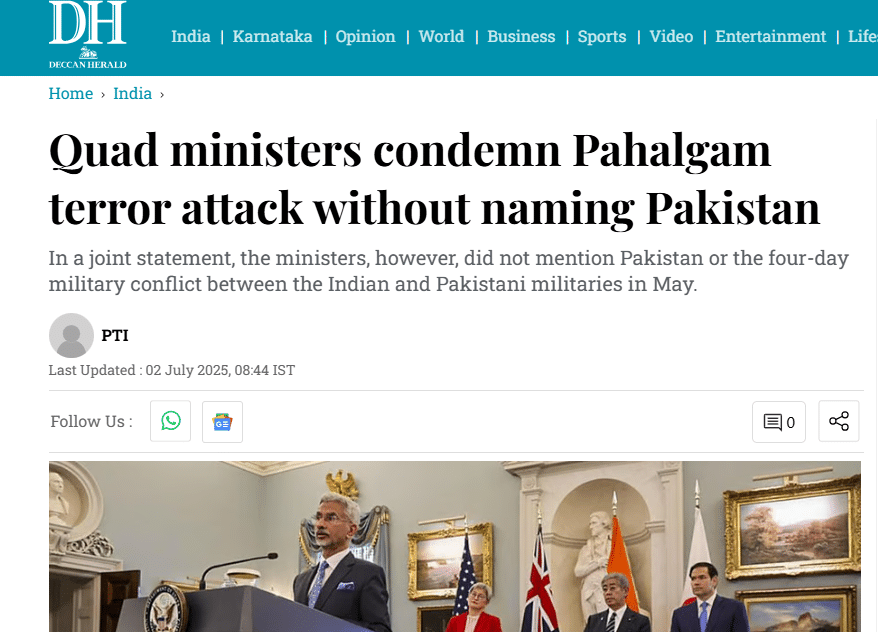
Meanwhile, QUAD (U.S., Japan, Australia, India) criticised the militant violence in Kashmir, with no reference to Islamabad. In such forums as the UNSC, India faced even more pushback to veto all efforts to isolate Pakistan in resolutions, maintaining neutral language such as Jammu and Kashmir and pressing for the de‑escalation of tensions. These moves were indicative of an overarching view that India somehow seemed to be settling scores bilaterally, which was passed off as coalition-building in the multilateral contexts around the world.
Price of Strategic Miscalculations
Such a diplomatic sabre-rattling exercise by India, purportedly based on unproven allegations and dramatic rhetoric of grossly exaggerated action, only served to undermine itself by resulting in the progressive strategic isolation of India itself and not that of Pakistan. Ditching a fact-driven policy in favour of emotional victimhood play eliminated credibility from the Indian stance in the context of terrorism. Even such key partners as the U.S. or the EU, who traditionally adhere to countering terrorism policies, preferred not to take sides in this case, indicating an avowed discomfort with the politicised nature of the Indian argumentation.
The geopolitical move by India turned away international players who value restraint, fact, and process integrity, all the more when the latter responded in a more level-headed appeal for compatible investigation and de-escalation. The fact that no anti-Pakistan resolutions were passed during BRICS, as well as the UN, served to deem this idea that India had brought the pot to the boil. By attempting to control the discourse, India essentially lost the moral capital, in addition to the risk of being excluded as a responsible player in regional and world politics on a long-term basis.