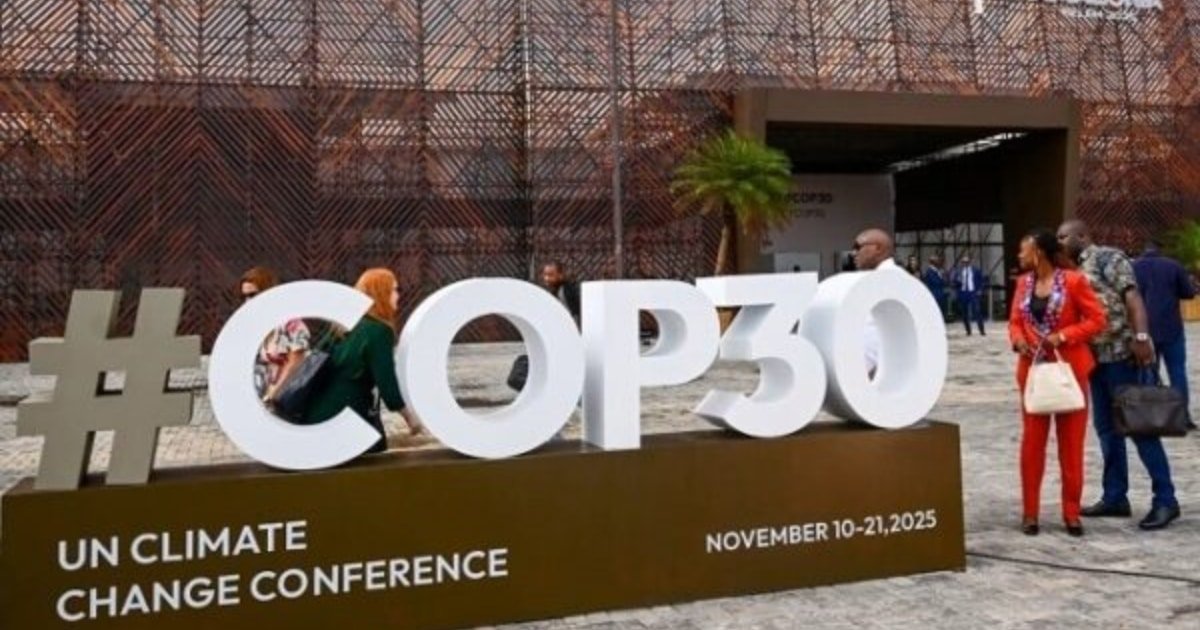


The UN Climate Summit (COP30) remained deadlocked as negotiations over fossil fuel reduction and climate financing stretched into overtime, with sharp divisions between European nations and major oil-producing countries led by Saudi Arabia and Russia.
My message to ministers and negotiators here at #COP30:
Engage in good faith to reach an ambitious compromise.
1.5°C must be your only red line.
Be bold.
Follow the science.
Put people above profit.
This is the hour for leadership. pic.twitter.com/l1JMsLznlC
— António Guterres (@antonioguterres) November 20, 2025
A key point of contention is the absence of a clear roadmap in the latest draft agreement outlining how global economies will transition away from oil, gas, and coal. European Union members and the United Kingdom have called for the reinstatement of language referencing a phased transition, in line with commitments made at COP28 to move away from fossil fuels by 2050. This effort has been strongly resisted by Saudi Arabia and Russia.
EU Climate Commissioner Wopke Hoekstra expressed strong dissatisfaction with the current draft, warning that the bloc could reject any agreement that fails to reflect the urgency and scale of action required to combat climate change. He cautioned that a “no deal” outcome remains possible if consensus cannot be reached.
You May Like To Read: Trump Hosts NYC Mayor-Elect Zohran Mamdani at White House, Signals Cooperative Start
The UK echoed these concerns, stressing that any final agreement must acknowledge the world’s current trajectory away from the Paris Agreement targets and push for stronger national climate commitments.
COP30 President André Corrêa do Lago urged all 194 participating countries to bridge differences and demonstrate collective resolve, emphasizing that global consensus is vital for credibility and progress. Meanwhile, Brazil has rallied over 80 countries behind a proposal for a structured transition roadmap, supported by President Luiz Inácio Lula da Silva and Environment Minister Marina Silva.
The absence of the United States, whose leadership continues to question climate science, has further complicated negotiations. Despite ongoing efforts and diplomatic engagements on the sidelines, including potential high-level meetings involving EU and Brazilian leadership, no compromise had been achieved as talks continued.
Negotiators remain under pressure to deliver an ambitious and unified outcome that aligns with global climate goals and reinforces international cooperation in tackling the climate crisis.