


Money laundering has long been described as the financial bloodstream of organized crime, terrorism, and corruption. To combat it, global regulators—chief among them the Financial Action Task Force (FATF)—have created elaborate systems of surveillance, compliance, and blacklisting. The logic is simple: cut off illicit actors from the formal financial system and starve them of capital.
Yet, decades into this global experiment, evidence suggests that the crackdown has not only failed to eliminate shadow economies but in many cases has made them stronger. Instead of eradicating illicit flows, the system often reshapes and redirects them, with unintended consequences that disproportionately affect developing states while leaving systemic loopholes in advanced economies untouched.
FATF: From Watchdog to Gatekeeper
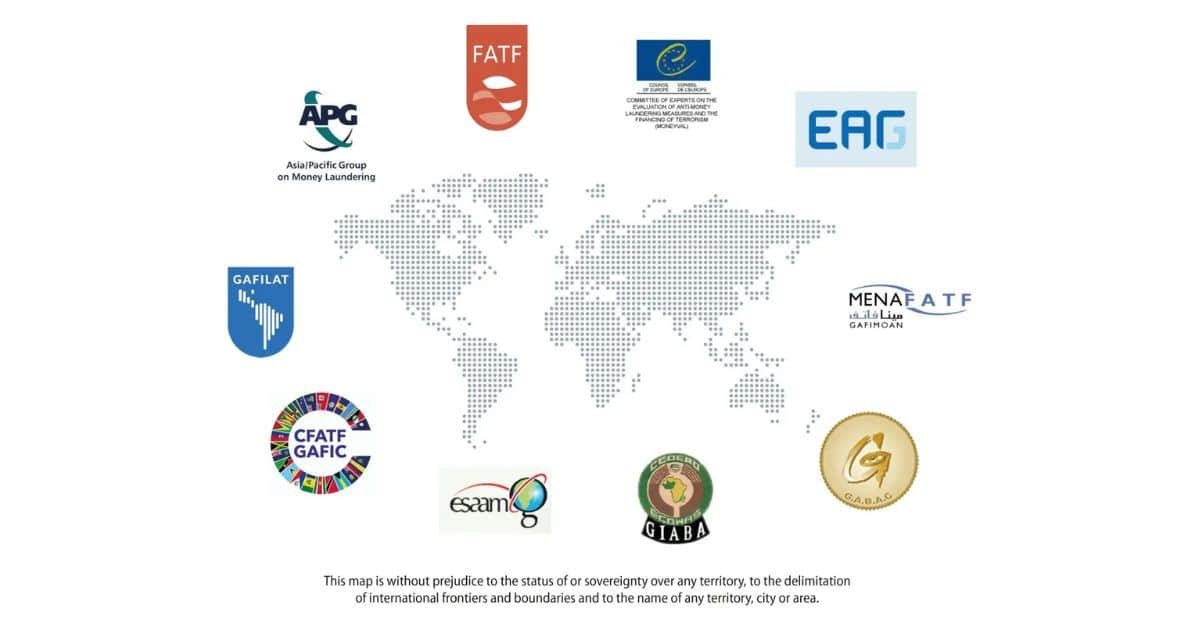
Created by the G7 in 1989, FATF’s mission has steadily expanded beyond anti-money laundering (AML) to cover counter-terrorist financing (CTF), proliferation financing, and even digital asset risks. Its power lies less in legal enforcement and more in reputation: being placed on FATF’s “grey list” or “blacklist” often means reduced access to international capital markets, downgraded credit ratings, and investor flight.
For governments, avoiding these lists is now a strategic necessity. Pakistan’s recent history illustrates this pressure. From 2018 to 2022, the country enacted dozens of legal and institutional reforms under FATF scrutiny. While successful in securing removal from the grey list, the process imposed heavy costs on its banking and business community. Small money service providers, essential for remittance flows, were squeezed out by compliance burdens—ironically pushing more workers toward informal transfer systems like hawala.
You May Like To Read: Security in the Shadows: How Undersea Cables Became the Unseen Battleground of Global Power Rivalries
The Resilience of Shadow Economies
Why have crackdowns not achieved their stated goals? Because the drivers of illicit finance are structural: entrenched corruption, global narcotics trade, demand for tax havens, and political instability. FATF can raise barriers in one jurisdiction, but illicit actors adapt by moving to another.
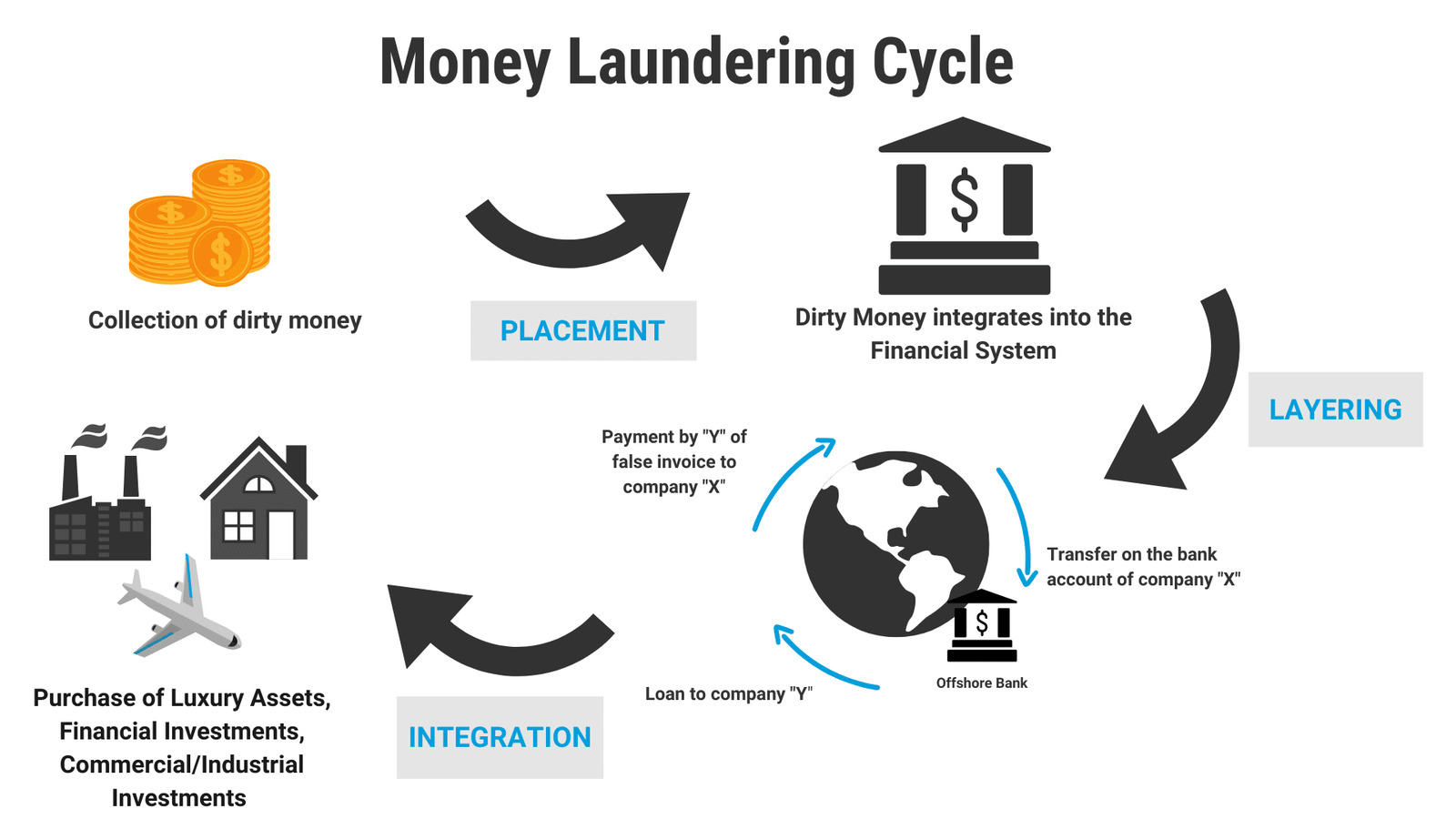
- Trade-Based Money Laundering (TBML): Shifting values through manipulated invoices or fictitious shipments remains one of the hardest schemes to detect, despite regulatory focus.
- Offshore Havens: Shell companies in secrecy jurisdictions continue to provide safe havens for illicit wealth, often with the complicity of advanced economies.
- Cryptocurrency and DeFi: Stricter banking oversight has redirected illicit flows toward digital ecosystems where anonymity and technological complexity frustrate regulators.
The result is a kind of financial whack-a-mole: every new regulation simply pushes networks to innovate, diversify, and become harder to trace.
When Crackdowns Hurt the Innocent
Perhaps the most striking unintended consequence of global AML enforcement is its effect on legitimate economic activity in the Global South. Compliance demands—customer due diligence, enhanced monitoring, costly IT systems—are expensive even for well-capitalized banks. For smaller institutions, especially in remittance-heavy economies, these requirements are existential.
The consequences are threefold:
- Financial Exclusion: Migrant workers and small traders, who depend on affordable transfers, are increasingly locked out of formal banking and turn to unregulated channels.
- De-risking by Banks: Global banks, wary of fines, often cut off correspondent relationships with smaller banks in Africa, South Asia, and the Middle East—limiting these countries’ access to the global financial system.
- Distorted Priorities: Governments channel scarce administrative resources toward FATF-mandated compliance checklists rather than domestic development priorities.
In practice, the fight against money laundering ends up burdening the most vulnerable while leaving the major financial centers—London, New York, Zurich, Dubai—that facilitate large-scale laundering relatively intact.
FATF as a Geopolitical Instrument
Beyond economics, critics argue that FATF has become a tool of geopolitics. Placement on the grey list often coincides with moments of diplomatic pressure, raising suspicions that compliance standards are applied selectively. Pakistan, Iran, North Korea, and other states have faced heavy scrutiny, while scandals in Western banks—from Danske Bank’s $230 billion laundering case to HSBC’s role in cartel money flows—have not triggered systemic penalties of the same magnitude.
This double standard undermines FATF’s credibility and highlights its political economy function: serving as both a financial watchdog and a lever of international influence.
Rethinking Global AML Strategy
The persistence of laundering networks despite decades of crackdowns suggests a need to rethink the model. Rather than relying solely on punitive listings and one-size-fits-all compliance demands, a more nuanced strategy would:
- Address Root Causes: Focus on reducing corruption, conflict economies, and narcotics demand, rather than just policing financial flows.
- Promote Inclusion: Expand affordable access to formal financial services, reducing reliance on hawala and other informal systems.
- Target Enablers in the North: Real estate secrecy, shell corporations, and lax regulations in advanced economies remain the linchpins of global laundering.
- Leverage Technology: Artificial intelligence, blockchain analysis, and international data-sharing can provide more targeted oversight than blanket compliance burdens.
The Mirror of Global Finance
Global money laundering networks endure not because regulators are absent, but because enforcement has often reinforced the very shadow economies it sought to eliminate. FATF’s system, while well-intentioned, too often shifts the costs onto weaker economies while sparing the systemic enablers in global financial hubs.
Until the international community addresses the deeper political and economic structures that sustain illicit finance, AML crackdowns will remain a paradox: reinforcing shadow economies while claiming to dismantle them.
You May Like To Read: Trump–Xi Summit Expected to Be Tepid Amid Cold War II Tensions