




Deep Ties, and Underlying Issues
The China-Pakistan Economic Corridor (CPEC) stands as a hallmark of the “deeper than the oceans” friendship between China and Pakistan, symbolizing a strategic partnership with immense economic and geopolitical significance. However, 2024 has exposed notable cracks in this alliance, primarily due to escalating security threats against Chinese nationals and growing Chinese dissatisfaction over the limited economic returns from their substantial investments.
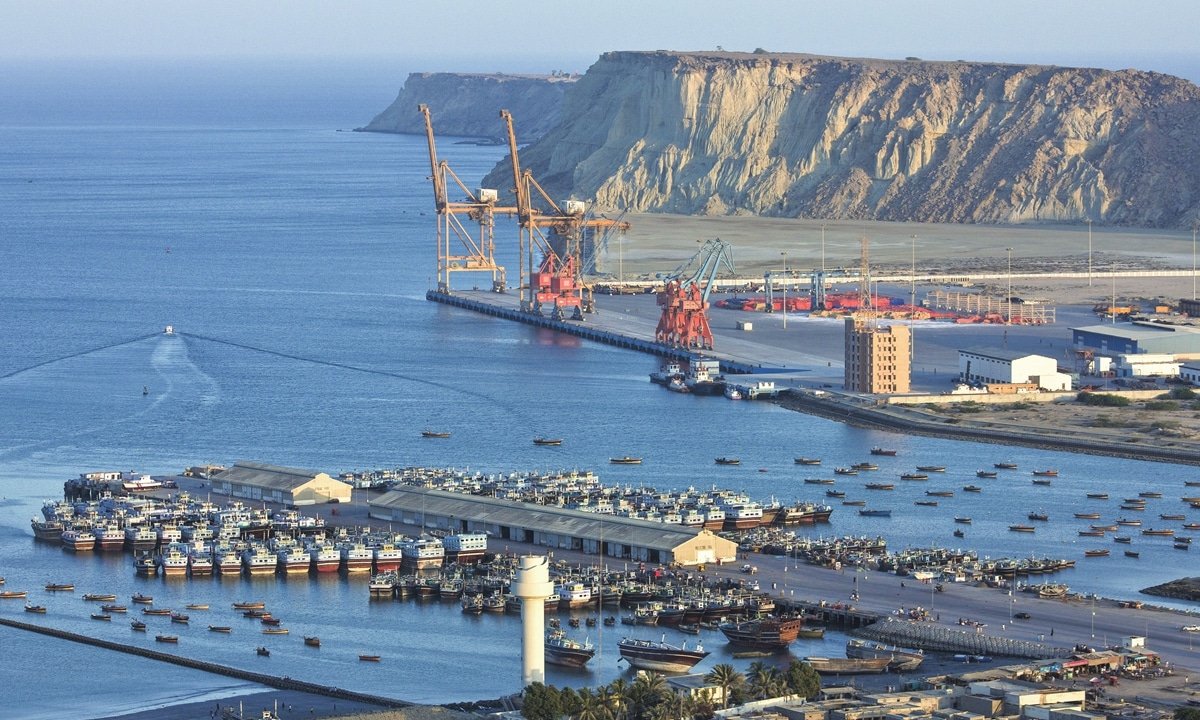
Launched in 2015 under China’s Belt and Road Initiative (BRI), CPEC is a multi-billion-dollar infrastructure project designed to connect China’s western region to Pakistan’s Gwadar Port through highways, railways, energy projects, and industrial zones. It aims to enhance regional connectivity, facilitate trade, and secure China’s access to the Arabian Sea, bypassing maritime chokepoints. For Pakistan, CPEC promises economic revitalization through infrastructure development, energy generation, and job creation, while reinforcing its strategic relevance in South Asia.
China’s investments in Pakistan have exceeded $65 by now, focusing on coal-fired power plants, highways, and the strategically vital Gwadar deepwater port in Balochistan. These projects are intended to foster economic growth and integrate Pakistan more deeply into regional trade networks. However, the economic benefits have been slower and less visible than anticipated, fueling frustrations in Beijing about the return on investment and the pace of project implementation.
Security Under Siege: Attacks, Protests, and Alarm
A wave of attacks targeting Chinese nationals in Pakistan during 2023–24 seriously strained bilateral trust.
The notable incidents included:
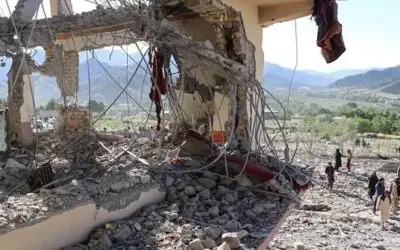
- 26 March 2024 – Shangla Bus Bombing: A suicide bomber killed five Chinese engineers and their Pakistani driver enroute to the Dasu Dam project in Khyber Pakhtunkhwa.
- 20 March 2024 – Gwadar Port Complex Attack: Fitna-al-Hindustan (FAH) militants stormed the Gwadar Port Authority, consequently, killing two soldiers and eight militants.
- October 2024 – Karachi Airport Bombing: A suicide vehicle-borne bomb killed two Chinese engineers, prompting Beijing to label the incident “unacceptable.”
Overall, Pakistani National Counter Terrorism Authority (NACTA) data indicate that since 2021, fourteen distinct militant attacks have killed 20 Chinese citizens and injured 34, spanning Sindh, Balochistan, and Khyber Pakhtunkhwa. These continuous threats have shaken Chinese expatriate workers. Many are reportedly considering departure, warning it could jeopardize ongoing projects.
Economic and Geopolitical Imperatives
Pakistan’s reliance on CPEC is both economic and strategic.
- Economic fragility: In a time of foreign currency shortages, dwindling aid, and IMF conditions, Pakistan cannot forego further Chinese investment, even if project pace slows.
- Geopolitical balancing act: Acceding to Chinese security demands could strain ties with the US and regional players. Islamabad must juggle Chinese insistence, American strategic anxieties, and local sovereignty concerns.
Simultaneously, Beijing is evaluating cost and benefit:
- While scaling down some CPEC projects, China recognizes Pakistan’s importance for Belt and Road, geopolitics, and energy routes and is unlikely to withdraw completely.
- However, if security assurances are not credible, and the situation continues to deteriorate, Beijing may shift toward tighter control, possibly via private-security firms or intelligence-sharing short of formal military presence.
Economic Returns and Local Backlash
Despite a staggering $62 billion investment, local economic benefits have been limited and uneven.
- In Gwadar, the dream of a “Pakistan’s Dubai” remains unrealized. Instead, locals cite locked-down zones, restricted fishing rights, and the chilling conversion of traditional livelihoods, fueled by Chinese-run industrial operations, like a donkey-processing factory eyed for traditional Chinese medicine, leading to resentment.
- Despite a lavish new airport and port infrastructure, commercial traffic remains negligible. One Pakistani source described Gwadar as a “white elephant,” a massive investment yielding little trade activity.
Beijing’s Call for Joint Security Mechanism
China’s growing frustration has led to increased diplomatic pressure on Pakistan to enhance security arrangements. Beijing has urged Islamabad to identify, apprehend, and punish perpetrators swiftly, emphasizing that “security is the biggest concern” and a fundamental constraint on CPEC’s progress.
The Chinese government has proposed a “Joint Security Mechanism,” which would involve Chinese personnel participating directly in the security of CPEC projects and Chinese nationals. This demand reflects Beijing’s lack of confidence in Pakistan’s ability to guarantee safety independently and signals a potential shift towards deeper Chinese involvement in Pakistan’s internal security affairs.
However, Pakistan faces a delicate dilemma. While it recognizes the strategic importance of CPEC and the need to protect Chinese investments, it is cautious about allowing foreign security forces on its soil, which could raise sovereignty concerns domestically and regionally. Islamabad must navigate these demands carefully to maintain its autonomy while reassuring China of its commitment to security.
Beijing’s Support Turns into Sovereignty
China, unnerved by repeated attacks has privately pressed for a “joint security mechanism.”
- Publicly, Chinese officials have called for better protection, while diplomatically urging for Chinese private security firms to be allowed in Pakistan.
- Beijing has floated proposals permitting Chinese personnel on duty in Pakistan and counter-terrorism cooperation, possibly permitting Chinese paramilitary or intelligence presence on Pakistani soil.
- However, Pakistan struggles with the implications, perceiving such a presence as a sovereignty breach. Islamabad has instead promoted local measures: creating a Special Security Division (~15,000 military troops plus paramilitary) and establishing a dedicated security company for Chinese workers, under Pakistani command, albeit with Chinese operational input.
Political Tightrope: Islamabad’s Delicate Responses
Faced with backlash internally and internationally, Pakistan is walking a fine line:
- Defensive Public Posture: Officials, including Planning Minister Ahsan Iqbal, have dismissed any plans for Chinese troops in Pakistan, emphasizing that current cooperation centers on intelligence sharing, not boots-on-the-ground presence.
- Offensive Counter-insurgency: In June 2024, Islamabad launched “Operation Azm‑i‑Istehkam,” targeting militant groups in Balochistan and Khyber Pakhtunkhwa, FAH and FAK respectively. As part of a broader counterterrorism campaign encouraged by China.
- Diplomacy & Image Management: Pakistan’s foreign ministry has protested when China publicly criticized Islamabad, but has also engaged in private dialogues to assert joint mechanisms are coordinated and undertaken with mutual collaborative efforts.
Road Towards Solution
To address the CPEC conundrum effectively, Pakistan must adopt a multifaceted and transparent approach that balances national sovereignty, local development, and bilateral expectations.
- First, the government should enhance local ownership of CPEC projects by ensuring that communities, especially in Balochistan and Khyber Pakhtunkhwa, benefit directly through employment, compensation for land acquisition, and inclusion in planning processes. This could help reduce resentment and undercut militant recruitment.
- Second, Pakistan must strengthen and professionalize its existing Special Security Division (SSD) by equipping it with advanced surveillance tools, multilingual liaison officers, and rapid-response units trained specifically for foreign asset protection.
- Third, Islamabad should formalize a trilateral coordination mechanism involving Chinese stakeholders, Pakistani intelligence, and local administrative bodies to ensure real-time threat assessment and crisis response, without ceding control to foreign troops.
- Lastly, to rebuild international investor confidence, the government should commit to transparent audits of CPEC projects, ensure independent conflict impact assessments, and introduce parliamentary oversight over all foreign strategic agreements. These steps could help rebuild trust, unlock economic benefits, and ensure that CPEC remains a lifeline, not a liability.
The Way Ahead
CPEC’s journey from a shining symbol of bilateral cooperation to a contested and precarious venture exposes Pakistan’s struggle to deliver local economic benefits and sustainable security. China’s “deeper-than-oceans” friendship is being undermined by coordinated, externally aided, militant attacks, stalling returns, and exacerbating Beijing’s demand for security cooperation.
Pakistan must navigate three interlocking imperatives:
- Secure Chinese personnel without compromising sovereignty.
- Boost local engagement to ensure broad-based economic dividends.
- Balance China’s strategic pressures with broader diplomatic equilibrium.
This delicate diplomacy will chart CPEC’s future course: continue as a strategic lifeline or unravel under the weight of security, economic, and regional fault lines.