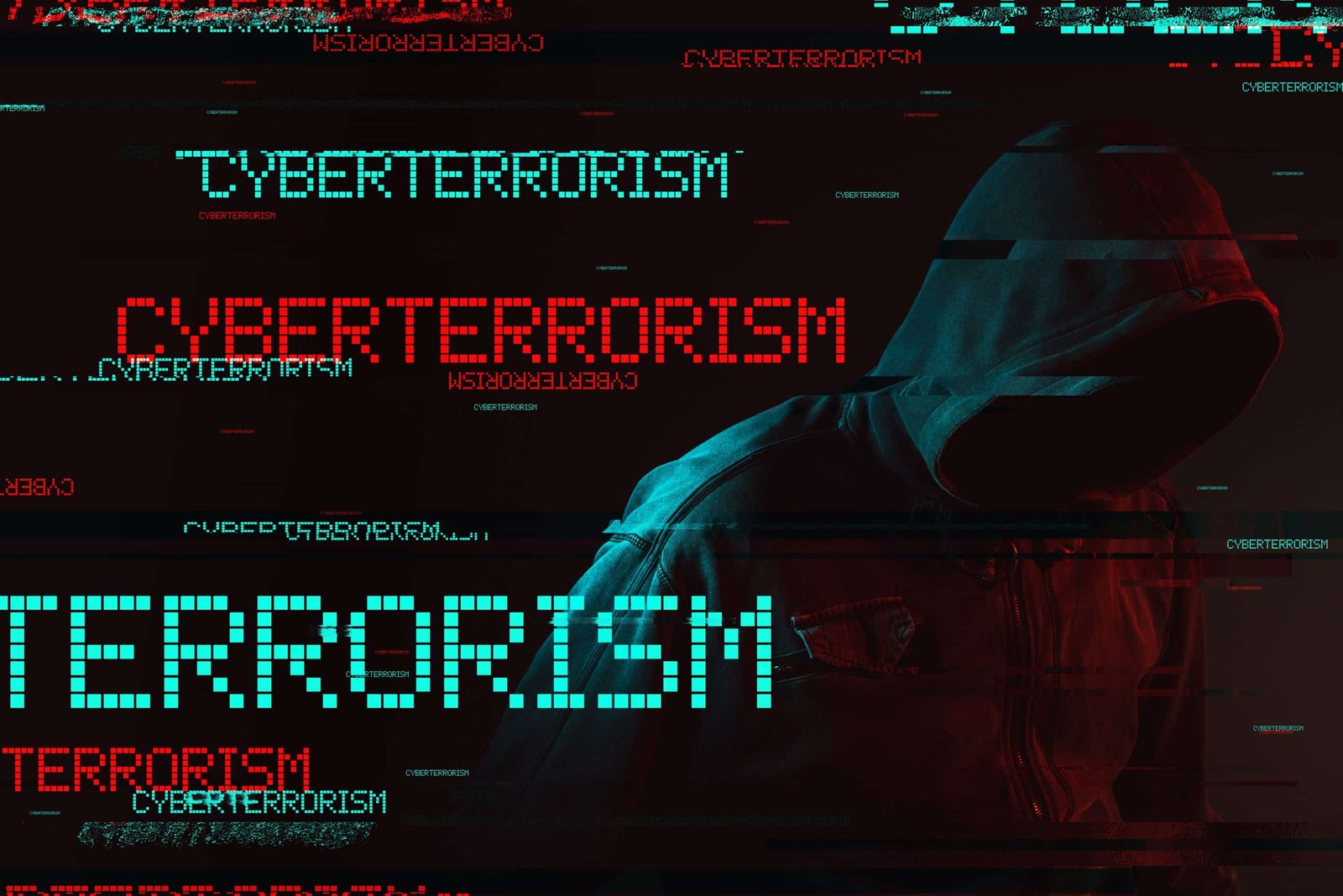





As Pakistan faces an increasingly hybridised threat, cyber-terrorism has emerged as a formidable tool used not only by rogue actors but also by organised networks—some state-backed, others ideological, many opportunistic. While kinetic warfare remains a traditional concern, it is in the virtual realm that Pakistan’s sovereignty, national image, and internal stability are increasingly contested. The proliferation of anti-Pakistan propaganda campaigns, orchestrated through decentralised digital ecosystems, underscores the strategic use of misinformation as a weapon of war.
From falsified news stories to coordinated hashtag campaigns, the threat is no longer confined to battlefield frontiers but has firmly entered the digital architecture of national discourse.
Cyber-Terrorism Beyond Infrastructure: The Battle of Narratives
Traditional definitions of cyber-terrorism — centred around digital sabotage of physical infrastructure — no longer suffice. In the context of Pakistan, cyber-terrorism increasingly manifests as a narrative war: a calculated effort to erode the country’s international standing, delegitimise its institutions, and sow internal discord through disinformation, doctored visuals, and manufactured outrage.
These campaigns are not isolated incidents. For example, in 2020, the EU DisinfoLab exposed a vast network of over 750 fake media outlets and NGOs operating under the umbrella of the “Indian Chronicles”, designed to discredit Pakistan at multilateral forums such as the UN and the EU. These platforms mimicked legitimate media and think tanks, creating a network disseminating fabricated content, much of it portraying Pakistan as a sponsor of terrorism, a human rights violator, or a destabilising regional actor.
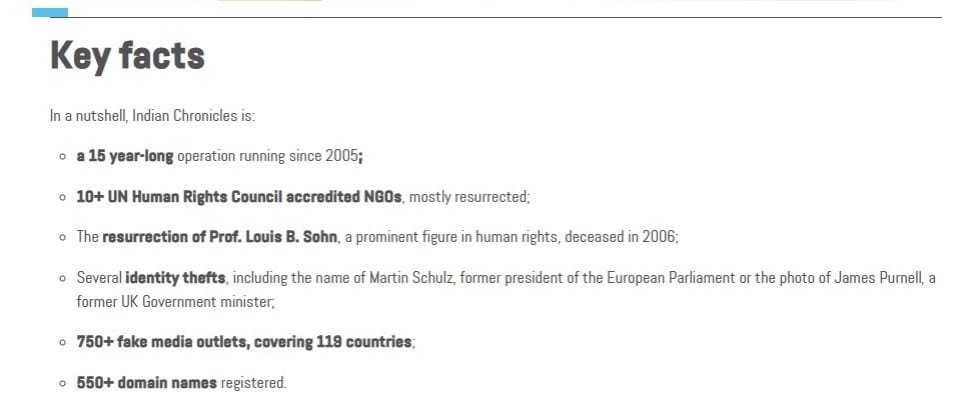
The objective was clear: to construct an information environment where anti-Pakistan narratives appeared organic, widespread, and credible, despite being wholly fabricated.
Internal Fault Lines and External Exploitation
What makes Pakistan particularly vulnerable to cyber-terrorism is the convergence of internal polarisation and external hostility. Political instability, civil-military friction, and ethnic grievances provide fertile ground for exploitation. Disinformation campaigns are often tailored to exacerbate sectarian tensions, provoke regional alienation (particularly in Balochistan and Gilgit-Baltistan), and discredit the military or judiciary, depending on prevailing power dynamics.
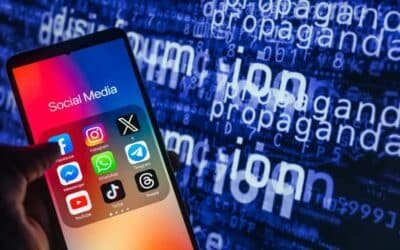
Fake Twitter accounts, often using bot networks or AI-generated identities, amplify protest movements or security incidents, presenting them as evidence of national disintegration. In many cases, foreign-based operatives co-opt local narratives, giving the false impression that dissent is unanimous and spiralling.
For instance, following the May 9, 2023, riots and the subsequent crackdown, an abnormal spike in anti-military hashtags was detected, many of which were traced back to accounts geolocated outside Pakistan. While legitimate criticism of the state apparatus remains a right, the fusion of fabricated content with authentic grievances dangerously muddles the waters.
Technological Asymmetry and State Response
Unlike traditional forms of warfare, cyber operations require minimal physical infrastructure. The cost of launching a misinformation campaign is negligible, but its consequences are far-reaching, affecting diplomatic relations, economic perception, and internal cohesion. Pakistan’s cybersecurity response architecture, though evolving, has some underlying shortcomings.
The Pakistan Telecommunication Authority (PTA), Pakistan Electronic Media Regulatory Authority (PEMRA), Federal Investigation Agency (FIA), and the newly established National Cyber Crime Investigation Agency (NCCIA) operate under overlapping mandates. Their efforts are often reactive, focusing on content removal or account suspension, rather than offensive counter-narratives or strategic deterrence. Moreover, the absence of a consolidated national disinformation database or AI-driven detection framework hampers long-term resilience.
By contrast, adversarial states, particularly India and Israel, have invested heavily in narrative warfare capabilities as a part of their broader cyber doctrine. These include dedicated cyber cells tasked with perception management, social media manipulation, and psychological operations. For Pakistan, the asymmetry is not just technological, but conceptual.
The Human Element: Journalists, Diaspora, and Digital Mercenaries
A concerning trend is the involvement of digital “mercenaries” — individuals and firms that offer influence operations as a service. From paid social media influencers to hacktivist groups, these actors blur the lines between freelance activism and orchestrated destabilisation. Some exploit the genuine concerns of Pakistani citizens to advance external (often anti-state) agendas, while others monetise outrage for clicks and revenue.
Journalists and civil society activists have also become targets — or unwitting participants — in this landscape. Disinformation campaigns frequently involve deepfakes, impersonation, and doxxing. Female journalists, in particular, face digital harassment that not only silences voices but also diverts attention from legitimate national debates.
The Pakistani diaspora, especially in North America and Europe, remains both a source of support and a potential vulnerability. While many advocate constructively for Pakistan, diaspora-linked groups have also been found participating in disinformation networks — either wittingly or as ideological allies of external actors. The blurred lines between free expression and strategic manipulation complicate policy responses.
Strengthening the Digital Defence
Combating cyber-terrorism requires more than takedowns and censorship. It necessitates a coherent national narrative strategy grounded in transparency, truth, and credibility. Pakistan must invest in:
- AI-based misinformation detection platforms are capable of tracing digital campaigns to their points of origin.
- Strategic communication units within the Ministry of Foreign Affairs and the ISPR are to counter fake news in real-time, especially during diplomatic events or military operations.
- Digital literacy programmes to educate the public on identifying propaganda, especially in rural areas where disinformation often spreads unchecked.
- Collaborative protocols with tech companies, enabling faster reporting and response mechanisms.
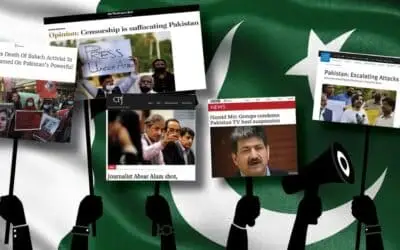
Legal reform is also essential. The PECA Act (Prevention of Electronic Crimes Act) must be recalibrated to balance state security concerns with press freedom and digital rights. Overreach, such as blanket bans or politically motivated censorship, only adds fuel to external narratives meant to destabilise Pakistan.
Conclusion
Cyber-terrorism poses a complex, evolving threat to Pakistan — one that targets minds more than machines, and narratives more than networks. The anti-Pakistan propaganda war is not a peripheral concern but a central front in the contest for national security, cohesion, and image. It demands a response as sophisticated, multifaceted, and resilient as the threat itself.
In this battle of bytes and beliefs, Pakistan’s survival will not depend solely on firewalls or filters, but on the strength of its institutions, the clarity of its communication, and the unity of its people in discerning fact from fabrication.