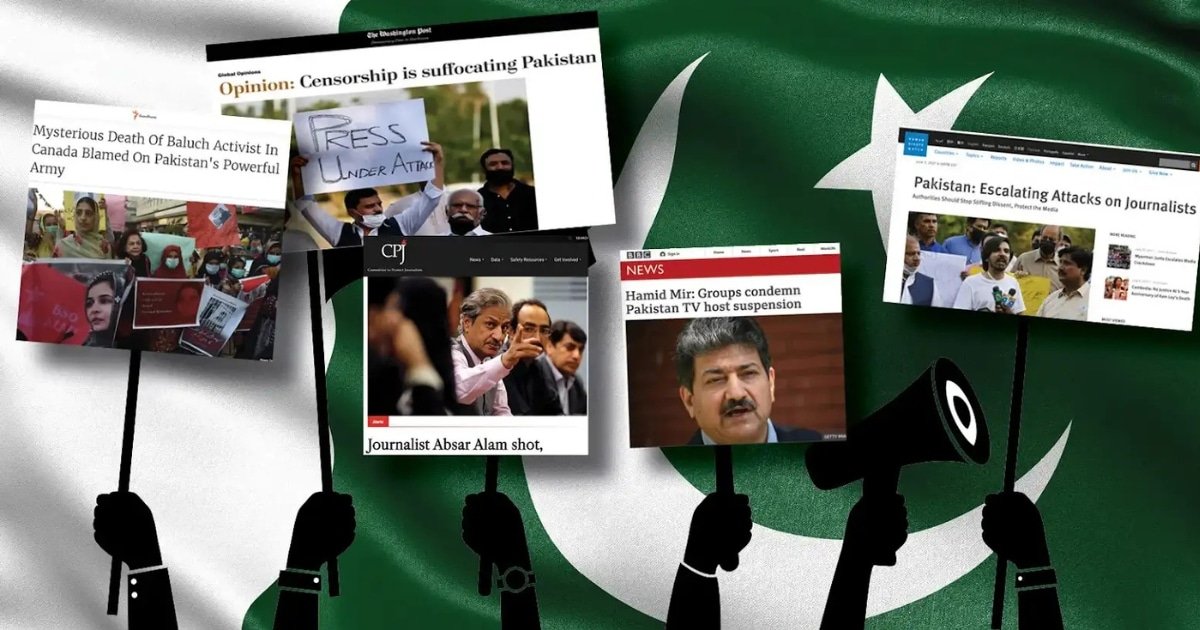



In the modern information age, the media is expected to function as the backbone of informed societies. It is meant to educate citizens, provide context to events, challenge misinformation, and hold power accountable. However, both nationally and internationally, and particularly in Pakistan, the media has largely drifted away from this responsibility. Instead of prioritising serious issues of national and international importance, mainstream media outlets have become trapped in an endless loop of political sensationalism, conflict-driven narratives, and click-driven content. This obsession with ratings, views, and virality has not only weakened public discourse but has also harmed Pakistan’s global image by allowing misinformation to circulate unchecked.
The Political Obsession of Modern Media
One of the most visible shortcomings of Pakistani media is its disproportionate focus on political drama. Television talk shows, breaking news tickers, and social media feeds are dominated by the same political faces, statements, and controversies, repeated endlessly throughout the day. Political conflict is often presented as entertainment rather than analysis, with shouting matches replacing reasoned debate. While politics is undeniably important, its excessive and sensationalised coverage comes at the cost of other pressing issues.
Economic instability, climate change, regional security developments, technological advancements, global diplomatic shifts, and human rights crises rarely receive sustained or serious attention. When such topics are covered, they are often framed superficially, lacking depth, research, or expert insight. This imbalance creates a public that is politically agitated but poorly informed about broader realities shaping their lives and the world around them.
TRP, Ratings, and the Business of Sensation
At the core of this problem lies the commercialisation of news. News channels increasingly operate as profit-driven enterprises where success is measured in Television Rating Points (TRPs), views, and social media engagement. Sensational headlines, emotionally charged language, and controversy generate instant attention, whereas nuanced discussions and fact-based reporting require time, expertise, and patience, commodities that do not always translate into immediate profits.
As a result, media houses prioritise stories that provoke outrage or fear, even when those stories lack significance or accuracy. Social media further amplifies this problem, rewarding speed over verification and virality over truth. In this environment, misinformation spreads faster than facts, and narratives are shaped not by evidence but by algorithms and audience emotions.
The Bondi Beach Attack: A Case Study in Misinformation
A striking example of this dangerous media culture can be seen in the aftermath of the Bondi Beach attack in Australia. Shortly after the incident, several Israeli and Indian social media accounts and news platforms began circulating claims that linked the attacker to Pakistan. Without credible evidence, Pakistan was blamed, and the attacker was falsely associated with Pakistani identity or extremist networks.
These claims gained traction rapidly, forming a coordinated cycle of fake news and disinformation. In reality, subsequent reports suggested that the attacker belonged to a different nationality and allegedly held Afghan and Indian passports. Despite this clarification, the initial misinformation had already done its damage. Narratives linking Pakistan to violence had spread widely across digital platforms, reinforcing existing stereotypes and prejudices.
Pakistani Media’s Passive and Reactive Approach
Instead of proactively addressing and debunking these false claims, much of the Pakistani media remained either unaware or uninterested. There was no coordinated effort to investigate the origins of the misinformation, challenge false narratives, or present Pakistan’s position with facts and evidence. International disinformation campaigns thrive in precisely such vacuums.
This passive approach reflects a deeper structural problem within Pakistani media: the absence of investigative journalism and international media monitoring. While other countries actively track narratives being formed about them in foreign media and respond strategically, Pakistan often reacts late, if at all. By the time clarifications emerge, the damage to perception has already been done.
Media silence in such cases is not neutrality; it is negligence. When false narratives go unchallenged, they become accepted truths in the global information ecosystem.
Weekly Press Briefing by the Spokesperson @TahirAndrabi
Disinformation/Fake News on Bondi Beach Terror Attack pic.twitter.com/2YADKvBFyP
— Ministry of Foreign Affairs – Pakistan (@ForeignOfficePk) December 18, 2025
A Pattern of Neglect Beyond a Single Incident
The Bondi Beach incident is not an isolated case. Pakistani media have repeatedly failed to engage meaningfully with international developments that directly or indirectly affect the country. Whether it is regional security realignments, shifting global power structures, Islamophobia in Western societies, or human rights issues involving Muslims worldwide, coverage remains minimal and inconsistent.
Similarly, important domestic issues such as education reform, public health, environmental degradation, water scarcity, and digital security are overshadowed by political theatrics. The result is a society that is reactive rather than informed, emotional rather than analytical.
This negligence has long-term consequences. A poorly informed public is more vulnerable to propaganda, less capable of holding leaders accountable, and more likely to internalise distorted narratives about their own country.
Impact on Pakistan’s Global Image
Media narratives play a crucial role in shaping how nations are perceived internationally. When Pakistan fails to counter misinformation or highlight positive developments, hostile narratives fill the gap. In the global media space, silence is often interpreted as admission or weakness.
False associations with violence, extremism, or instability, when left unchallenged, become embedded in international discourse. This affects diplomatic relations, foreign investment, tourism, and even the treatment of Pakistani diaspora communities abroad. Media negligence, therefore, is not just a journalistic failure; it is a strategic liability.
The Role of Social Media and Digital Responsibility
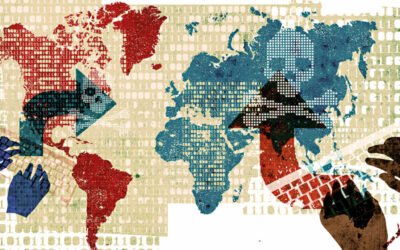
Social media platforms have further complicated the media landscape. While they offer opportunities for alternative voices and rapid information sharing, they are also fertile ground for disinformation campaigns. Coordinated networks can manipulate narratives, exploit breaking news, and target specific countries or communities.
Pakistani media organisations have yet to adapt effectively to this reality. There is limited fact-checking infrastructure, minimal collaboration with digital analysts, and a lack of training in counter-disinformation strategies. In contrast, many international media houses now operate dedicated verification desks to combat fake news in real time.
Reclaiming Media’s True Purpose
For Pakistani media to fulfil its responsibility, a fundamental shift in priorities is required. Sensationalism must give way to substance. Ratings should not dictate editorial decisions at the expense of truth and national interest. Media houses must invest in investigative journalism, international affairs reporting, and fact-checking mechanisms.
Additionally, there is a need for editorial courage to move beyond politically convenient narratives and address uncomfortable but important issues. Journalists must be trained not only to report events but to analyse, contextualise, and challenge falsehoods, both domestic and international.
Conclusion
Media is not merely a mirror reflecting society; it is a force that shapes perceptions, narratives, and national identity. The current obsession with political sensationalism and ratings-driven content has weakened the Pakistani media’s credibility and effectiveness. By neglecting serious national and international issues and failing to counter deliberate misinformation campaigns, media outlets are inadvertently harming Pakistan’s interests.
The Bondi Beach attack misinformation episode serves as a cautionary example of what happens when the media fails to act responsibly. If Pakistani media continues on this path, the consequences will extend beyond newsrooms, affecting diplomacy, public awareness, and Pakistan’s standing in the world.
You May Like To Read: Field Marshal Asim Munir Honored with Saudi Arabia’s Highest National Medal
Reclaiming the media’s role as a source of truth, analysis, and accountability is not optional; it is essential. Only then can the media truly serve the public, strengthen democracy, and protect the nation’s narrative in an increasingly contested global information space.
Check out our latest video: