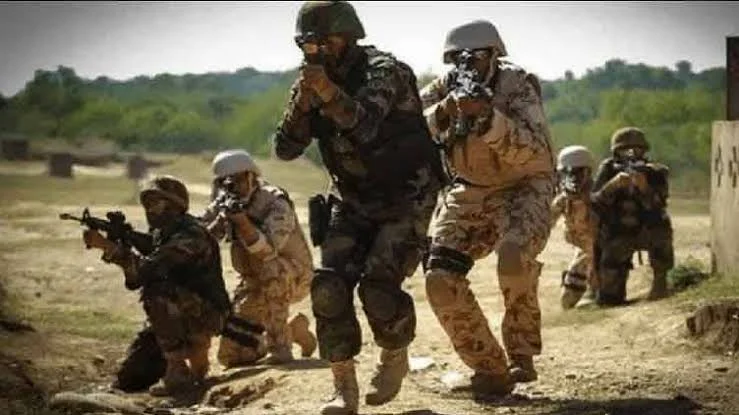





Escalating kinetic operations and a sharp surge in asymmetric violence made July 2026 the deadliest month for security forces and insurgent networks in Pakistan in over a decade. According to the monthly security assessment released by the Islamabad-based think tank, the Pakistan Institute for Conflict and Security Studies (PICSS), the surge reflects an aggressive operational posture by law enforcement and military units against expanding militant networks across western provinces.
During the month, security forces eliminated at least 401 terrorists—the highest single-month total recorded in over ten years. Concurrently, security forces suffered 112 casualties, marking the highest monthly fatal count for state personnel since the January 2023 Peshawar Police Lines bombing. The sharp escalation underscores an intensifying high-intensity war of attrition, primarily concentrated across Balochistan and Khyber Pakhtunkhwa (KP).
Statistical Overview: Fatalities, Injuries, and Tactical Shifts
The overall death toll linked to terrorist attacks and intelligence-based operations (IBOs) rose significantly in July, accompanied by a rise in tactical sophistication and civilian casualties.
-
Security Personnel Impact: Fatalities among security forces surged by 195 percent compared to June, jumping from 38 to 112. An additional 101 security personnel sustained injuries.
-
Militant Losses: Insurgent casualties rose by 109 percent month-on-month, increasing from 192 in June to 401 in July, alongside 14 injured and multiple detentions.
-
Civilian and Peace Committee Casualties: Civilian fatalities increased by 21 percent, rising from 61 in June to 74 in July, with 103 individuals injured. Furthermore, 19 members of localized peace committees were killed, marking the highest monthly loss for anti-militant tribal structures in a decade.
-
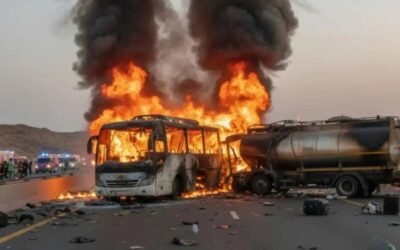
Tactical Escalation: PICSS documented eight suicide bombings during July, including five vehicle-borne improvised explosive device (VBIED) attacks. This represents the highest frequency of single-month suicide strikes in ten years. Furthermore, abductions doubled, increasing by 100 percent from 33 incidents in June to 66 in July.
Provincial Breakdown: Geography of Escalation
Balochistan
Balochistan experienced the most significant deterioration in security, driven by coordinated insurgent attacks on state infrastructure and intensified counter-insurgency operations. The overall death toll in the province rose by 241 percent, increasing from 109 in June to 372 in July. Security personnel fatalities jumped by 933 percent, rising from six in June to 62 in July. Insurgent losses rose from 75 to 238, while civilian fatalities nearly doubled from 28 to 54. Eighteen of the 19 peace committee members killed nationally during July were targeted within Balochistan.
Mainland Khyber Pakhtunkhwa
Mainland Khyber Pakhtunkhwa (excluding the merged tribal districts) experienced a 105 percent increase in overall fatalities, rising from 75 in June to 154 in July. Security personnel deaths increased from 12 to 38, while militant losses rose by 192 percent, from 37 to 108. Civilian fatalities in mainland KP saw a sharp decline of 73 percent, dropping from 26 to seven, while overall injuries rose to 98.
Merged Tribal Districts (Formerly FATA)
The merged districts of KP recorded a slight reduction in total fatalities, down from 85 in June to 79 in July. While militant deaths decreased by 24 percent (from 72 to 55), security personnel fatalities rose from six to 11, and civilian deaths increased by 86 percent, rising from seven to 13. Total injuries dropped by 37 percent to 38.
Urban Centers and Eastern Provinces
In Sindh, low-intensity security operations yielded two militant attacks resulting in the loss of one security officer, down from 12 total deaths in June. Counter-terrorism personnel apprehended six suspected militants during targeted raids. Punjab, Islamabad, Azad Jammu and Kashmir, and Gilgit-Baltistan recorded no kinetic terrorist attacks during July, though security forces arrested three suspected operatives in Punjab.
Broader Seven-Month Trajectory (January–July 2026)
The data for July aligns with a broader upward trend in conflict intensity throughout 2026. Over the first seven months of the year, conflict-related violence accounted for 2,786 lives lost across Pakistan.
The cumulative casualties include 1,857 militants, 463 civilians, 434 security forces personnel, and 32 peace committee members. Monthly statistical averages demonstrate a systemic escalation across all operational parameters compared to 2025:
-
Security Personnel: Average monthly deaths increased from 56 in 2025 to 62 in 2026.
-
Civilians: Average monthly civilian fatalities rose from 48 in 2025 to 66 in 2026.
-
Militants: Average monthly insurgent deaths increased from 178 in 2025 to 265 in 2026.
Strategic Analysis: Tactical Adaptation and Operational Friction
The July security data highlights critical structural and operational dynamics governing Pakistan’s current security landscape:
Transition to High-Yield Asymmetric Tactics
The record number of suicide strikes, particularly VBIEDs, indicates that insurgent networks—including the Tehreek-e-Taliban Pakistan (TTP) and Baloch separatist factions—are increasingly deploying high-yield, complex tactics to maximize casualties and challenge state control. The heavy reliance on vehicle-borne explosives suggests improved access to military-grade ordinance and sophisticated bomb-making infrastructure.
Shift Toward Reactive State Proactivity
The record neutralization of 401 militants in a single month points to a significant increase in intelligence-led preemptive operations by security forces. Rather than remaining in a purely defensive posture, military and paramilitary formations are actively penetrating insurgent sanctuaries. However, the simultaneous rise in security force casualties highlights the operational risks inherent in clearing fortified terrain and mitigating ambushes.
Systematic Targeting of Local Governance Anchors
The sharp spike in fatalities among peace committee members, particularly in Balochistan, indicates a deliberate effort by militant groups to dismantle community-based intelligence networks and state-aligned tribal leadership. By targeting local elders and peace committee personnel, insurgent groups aim to create intelligence vacuums, deter local cooperation with state authorities, and assert territorial dominance over rural transit corridors.