




The humanitarian industrial complex is a term used to describe the complex and sometimes problematic system of international aid, foreign governments, and NGOs in post-disaster governance and politics. While these entities provide crucial aid, their involvement can inadvertently lead to dependency, undermine local governance, and serve as tools for geopolitical influence. This dynamic is particularly evident in countries like Pakistan, which has a long history of receiving significant foreign aid following natural disasters like the recent floods.
Creating Dependency and Undermining Local Economies
The immediate aftermath of a disaster necessitates a rapid influx of foreign aid to address urgent humanitarian needs. However, a prolonged and uncoordinated reliance on this aid can lead to a dependency syndrome that stifles local resilience and capacity-building.
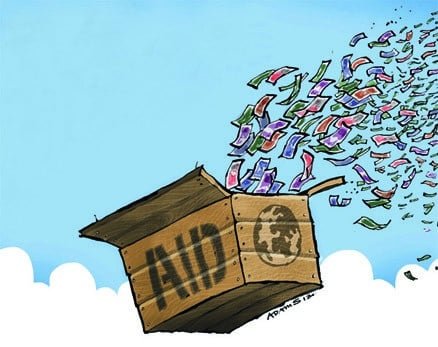
In Pakistan, aid has often been a recurring feature of post-disaster response, which critics argue can disincentivize the government from developing its own robust, long-term disaster management and rehabilitation strategies. Instead of strengthening domestic institutions, the presence of international organizations and foreign aid can reduce the pressure on the government to act and be accountable to its own citizens.
This dependency also extends to the local economy. Foreign NGOs and aid agencies frequently import their own goods, services, and even personnel, often bypassing local markets and labor. This practice, while intended to ensure efficiency, can inadvertently stifle the growth of a domestic disaster-response industry and prevent the development of local expertise and supply chains. When the aid flows eventually diminish, affected communities are left with an aid-dependent economy and a governance structure that has not been strengthened to handle future challenges.
You May Like To Read: Cyber Deterrence in a Grey Zone: How State-Sponsored Hacking and Ransomware Are Redefining the Threshold of Conflict
Influencing and Fragmenting Local Governance
International NGOs and aid agencies, while operating with the best intentions, can sometimes bypass or even undermine local government structures. They may set up parallel systems for relief distribution, healthcare, and infrastructure projects, which can diminish the authority and accountability of local and federal government bodies. This lack of integration can lead to a fragmented and uncoordinated response, as seen in the aftermath of past floods and earthquakes. The Pakistani National Disaster Management Authority (NDMA) has noted the importance of collaboration with NGOs but also the need for better coordination to avoid such fragmentation.
Foreign aid from official donors rose to an all-time high of $178.9 billion in 2021, up 4️⃣.4️⃣% in real terms from 2020 as developed countries stepped up to help developing countries grappling with the #COVID19 crisis.
Explore the latest #ODA data ➡️https://t.co/mfN9jNNcvw pic.twitter.com/pycajnb3Gu
— OECD ➡️ Better Policies for Better Lives (@OECD) April 12, 2022
The funding mechanisms of these organizations can also influence local governance priorities. International donors often have their own specific agendas, such as promoting certain democratic ideals or environmental policies, which may not align with the immediate needs or cultural context of the affected communities.
This can create a power imbalance, where foreign entities, by controlling the flow of resources, dictate the terms of post-disaster rehabilitation and even influence long-term policy decisions. This is particularly problematic in a country where there are already concerns about a lack of transparency and a risk of corruption within the aid delivery chain.
Aid as a Geopolitical Tool
Beyond humanitarian goals, foreign aid and NGOs can be used as instruments of geopolitical influence. For a country like Pakistan, which has long been a major recipient of foreign aid, this is a sensitive issue. Aid from major powers is often tied to strategic conditionalities, creating a transactional relationship where funds are provided in exchange for cooperation on foreign policy objectives. For example, the influx of U.S. aid to Pakistan has often been linked to its cooperation in counter-terrorism efforts, with a significant increase in funds following the events of 9/11.

This use of aid as a tool for leverage creates mistrust among the local population and government. The perception that aid is a tool for espionage or political interference is a real concern, as evidenced by incidents where aid workers or organizations have been accused of operating beyond their stated humanitarian mandate. This suspicion can hinder legitimate relief efforts and further complicate the already difficult task of disaster management. It creates a cycle where the very act of receiving help is viewed with skepticism, making it harder for the government to manage its own affairs and for the public to trust external partners.
Navigating the Complexities for Sustainable Resilience
While the challenges of the humanitarian industrial complex are significant, international aid and the work of NGOs are often indispensable in post-disaster scenarios. The resources and expertise they bring can save countless lives and initiate the recovery process in ways that overwhelmed national governments cannot. The key, however, lies in moving from a model of dependency to one of genuine partnership.
For Pakistan to build true resilience, it must move beyond short-term relief and focus on strengthening its own institutions, ensuring accountability, and fostering a disaster management framework that is less reliant on external actors. This involves empowering local government bodies, promoting a more transparent aid delivery system, and ensuring that the agendas of foreign donors align with the long-term, locally-defined needs of the affected communities. By prioritizing the strengthening of domestic capacity and promoting effective coordination, Pakistan can better leverage international assistance to not only recover from disasters but also to build a more resilient and self-sufficient future.
You May Like To Read: Pakistan’s Diplomatic Balancing Act in the Middle East