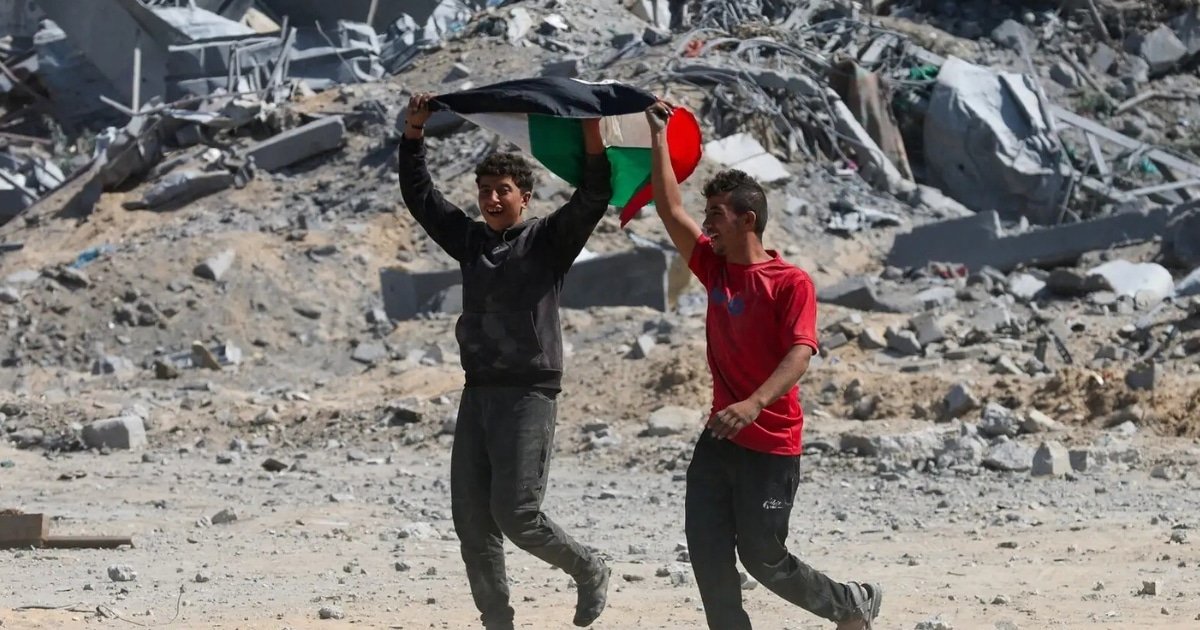





Two months after the ceasefire took effect in Gaza, the transition to the second phase of President Donald Trump’s US-brokered peace plan is imminent but fraught with critical challenges. While the immediate risk of a resumption of the devastating conflict has been mitigated, key issues—namely the disarmament of Hamas and the two-way reopening of the Rafah border crossing—remain unresolved.
Israel and Hamas move toward Phase Two of the US-backed Gaza plan.
Key disagreements remain over disarmament, international forces, and Gaza’s future governance – as officials warn the ceasefire is at a critical moment. pic.twitter.com/4PHDNvyDOb
— MTA News (@NewsMTA) December 8, 2025
Status of Phase II and Disarmament
Under the second phase of the plan, Israel is expected to further withdraw its troops from Gaza, paving the way for the establishment of a transitional authority and the deployment of an international security force. Reconstruction efforts are also slated to begin, contingent upon the disarmament of Hamas.
Israeli Prime Minister Benjamin Netanyahu confirmed that the second phase is close but acknowledged that it would “be more difficult or equally difficult” than the first. He is scheduled to meet with President Trump on December 29 to discuss how to ensure the phase is successfully achieved.
The Disarmament Dilemma:
The central sticking point remains the fate of Hamas’s military arsenal. Speaking to Israeli diplomats, Prime Minister Netanyahu expressed skepticism that the planned multinational force would be capable of disarming Hamas by force, questioning if foreign troops would be willing to undertake the task.
“Now there is a question here: our friends in America want to try to establish an international force that will do the job… they can’t do everything, and maybe they can’t do the main thing, but we’ll see.” — Benjamin Netanyahu
Conversely, a top Hamas official, Bassem Naim, indicated a potential shift in the group’s rigid stance. Naim, a member of the Hamas political bureau, suggested the group is ready to consider “freezing or storing” its remaining weapons as a possible approach to de-escalation, a significant departure from its previous refusal to disarm without the creation of an independent Palestinian state.
Ongoing Violations and Humanitarian Disputes
Despite the ceasefire, both sides accuse the other of almost daily violations, with more than 370 Palestinians reportedly killed by Israeli fire since the truce began. Israel claims its strikes are responses to Palestinian violations, including incursions into Israeli-held parts of Gaza. Three Israeli soldiers have also been killed in fighting, mainly against Hamas operatives reportedly holed up in tunnels in the south.
The delivery of aid remains a source of contention:
- Aid Access: Humanitarian agencies report a dramatic increase in supplies entering the strip but continue to face Israeli restrictions and insecurity.
- Rafah Crossing: The dispute over the Rafah border crossing with Egypt persists. While Israel previously announced readiness to open the crossing exclusively for the exit of residents (requiring security approval), Egypt and the Palestinians rejected this unilateral measure, insisting that the ceasefire obliges Israel to open the crossing in both directions for people and aid.
Hostage Search Resumes
According to Arab media reports, the search for the body of the last remaining deceased Israeli hostage, police officer Sergeant Ran Gvili, is resuming in the Zeitoun area of Gaza City. The search involves a Red Cross team and members of Hamas’s armed wing, as the return of Gvili’s body is required under the terms of the initial ceasefire deal. Israel continues to accuse Hamas of delaying the return of dead hostages.
You May Like To Read: IMF Projections Confirm Pakistan Stabilized but Trapped in Low-Growth Path