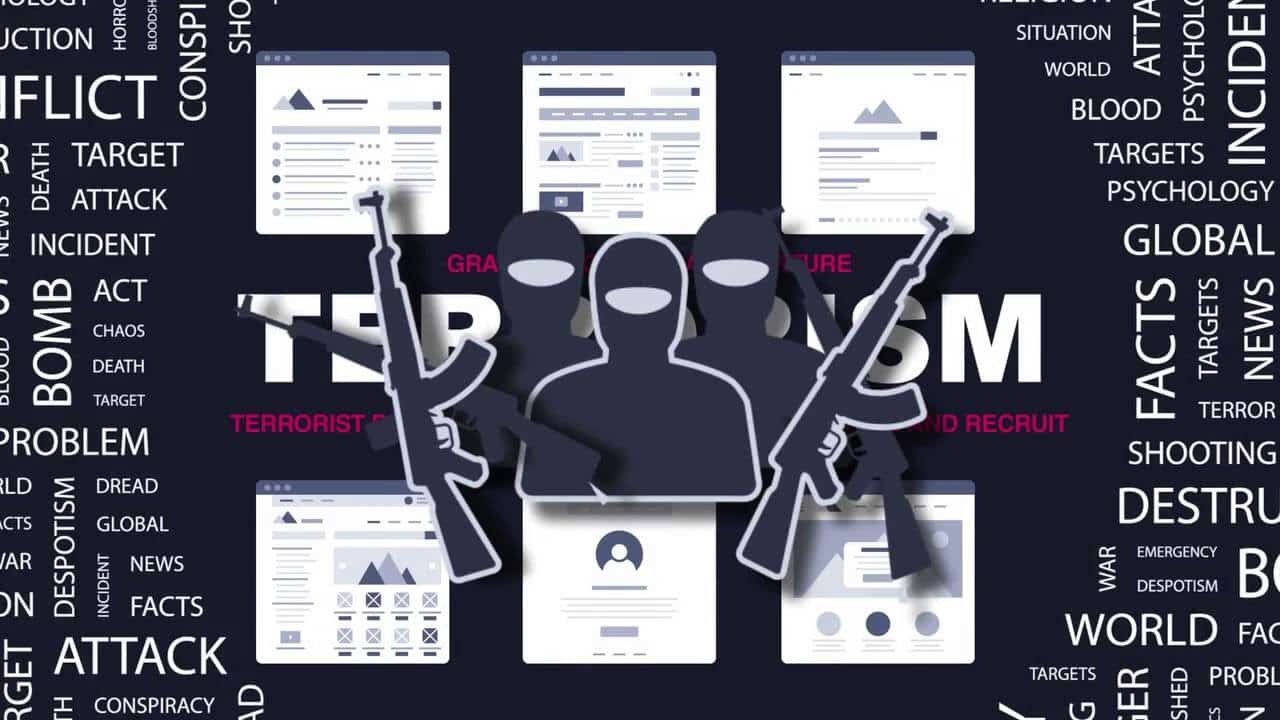





As terrorist organizations adapt to intensified counterterrorism efforts and evolving digital landscapes, their recruitment tactics have undergone a strategic transformation. In Pakistan, a particularly alarming trend has emerged: the use of social media influencers, gaming platforms, and lifestyle-based content to target disillusioned youth. This approach diverges sharply from earlier methods that relied on religious seminaries, in-person indoctrination, or formal ideological training.
Instead of overt messaging, extremists are now embedding radical content within entertainment-driven formats—viral videos, gaming missions, and influencer-led narratives—that appear benign or even aspirational. By exploiting relatable frustrations such as unemployment, identity crises, or social alienation, terrorist recruiters craft emotionally tailored narratives that gradually pull individuals into their ideological orbit. The gamification of radicalization, paired with charismatic digital personas, has made extremism more accessible and insidious than ever before. This evolution underscores the urgent need for Pakistan to reimagine its counter-radicalization strategy within the context of today’s hyper-connected, algorithm-driven media environment.
Source: WestPoint
From Madrasahs to Mobiles: A Strategic Shift in Radical Outreach
Historically, terrorist recruitment in Pakistan operated through physical institutions—madrasahs, tribal intermediaries, and ideological camps. However, with increased monitoring and regulation of such establishments, extremist groups including the FAK (Fitna-al-Khwarij), ISKP, and FAH (Fitna al Hindustan/Hind) have migrated to the digital realm.
Platforms like TikTok, Instagram, YouTube Shorts, and Telegram are now fertile ground for radical content masquerading as motivational advice, nationalist rhetoric, or religious virtue-signaling. Accounts featuring charismatic young influencers use storytelling, meme culture, and viral trends to subtly introduce radical ideas.
According to a 2023 study by the Pak Institute for Peace Studies (PIPS), over 28% of radicalized youth reported first encountering extremist ideas through social media platforms—more than any other medium. Notably, these encounters did not involve overt terrorist content but rather “soft narratives” that escalated over time.
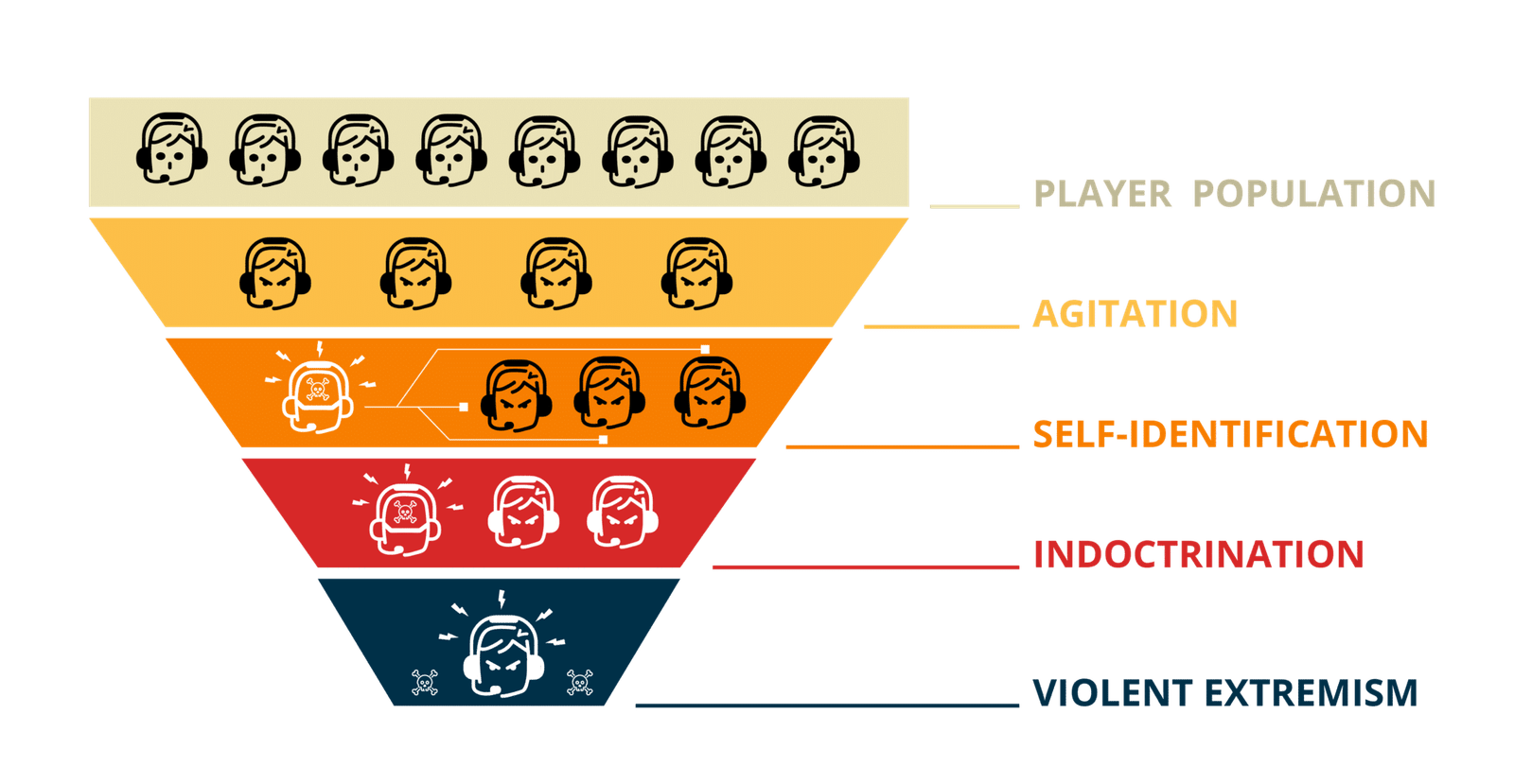
The Rise of the Gamified Caliphate
Online multiplayer games such as PUBG, Call of Duty, and lesser-known encrypted forums have been co-opted as clandestine spaces for recruitment. Recruiters use in-game chat, private servers, and virtual gatherings to form bonds with potential recruits—mostly teenage boys from urban and peri-urban areas.
While no official Pakistani report has publicly confirmed youth recruitment via online gaming, counter-terrorism experts globally — including Europol and UNODC — have warned of similar patterns globally, prompting calls for greater monitoring of digital subcultures vulnerable to extremist messaging.
This new tactic plays into the psychology of gamification, where perceived missions, rewards, and community status motivate behavior. The narrative of becoming a “hero of the ummah” or a “digital mujahid” is more palatable to tech-savvy but emotionally vulnerable youth than traditional extremist sloganeering.
You May Like To Read: Pakistan’s Efforts to Disarm and Control Illicit Firepower
Emotional Engineering: A Personalized Radicalization Pipeline
What distinguishes this new model is its hyper-personalization. Terrorist recruiters now study a target’s digital footprint—likes, follows, gaming interests, and even online grievances—to tailor engagement. A young person lamenting unemployment or political apathy might be approached via content that blames the “system” or Western modernity for their woes, gradually steering them toward extremist ideologies.
This tactic was notably used by ISKP in targeting disillusioned youth in KP and Balochistan provinces, often embedding narratives of state failure and persecution into slickly produced content. In some cases, these recruiters present themselves as “life coaches” or religious mentors offering clarity and purpose.
Source: Takethis.org
Counter-Strategies: Is Pakistan Prepared?
While Pakistan has intensified its crackdown on conventional terror cells, its digital counter-extremism policy remains reactive and fragmented. The Pakistan Telecommunication Authority (PTA) has banned thousands of websites and social media accounts, but experts argue that bans alone are insufficient in the face of encrypted apps, VPNs, and anonymous forums.
The National Counter Terrorism Authority (NACTA) has acknowledged the threat but lacks a comprehensive digital radicalization prevention strategy. Sporadic awareness campaigns and NGO-led digital literacy programs are in place, but without a centralized, youth-focused counter-narrative platform, the gap persists.
You May Like To Read: Abandoned U.S. Military Hardware in Afghanistan Is Fueling Militant Surge
According to a statement by DG FIA, cyber-surveillance is being enhanced through AI-driven tools, yet there is little transparency or public trust in how these tools function. Moreover, the balance between digital security and civil liberties remains a contentious issue.
Recommendations
- Youth-Centric Counter-Narratives: Develop influencer-led, culturally grounded online content that promotes critical thinking, civic engagement, and peaceful Islamic teachings.
- Partnership with Tech Companies: Collaborate with platforms like YouTube, Meta, and Tencent to monitor and remove extremist content proactively.
- Digital Literacy Campaigns: Include cyber safety, disinformation identification, and emotional manipulation awareness in school curricula.
- Support Structures: Create safe spaces for youth to express socio-political grievances without fear of reprisal or surveillance.
Terrorist groups are no longer just training fighters in mountain camps—they’re grooming digital warriors in chatrooms and comment sections. Pakistan’s security establishment must recognize that influencer jihad and gamified recruitment are not futuristic threats—they are unfolding now. Without adaptive, tech-driven, and youth-sensitive strategies, the next wave of radicalization may be waged not in Waziristan but in WiFi-enabled bedrooms across the country.