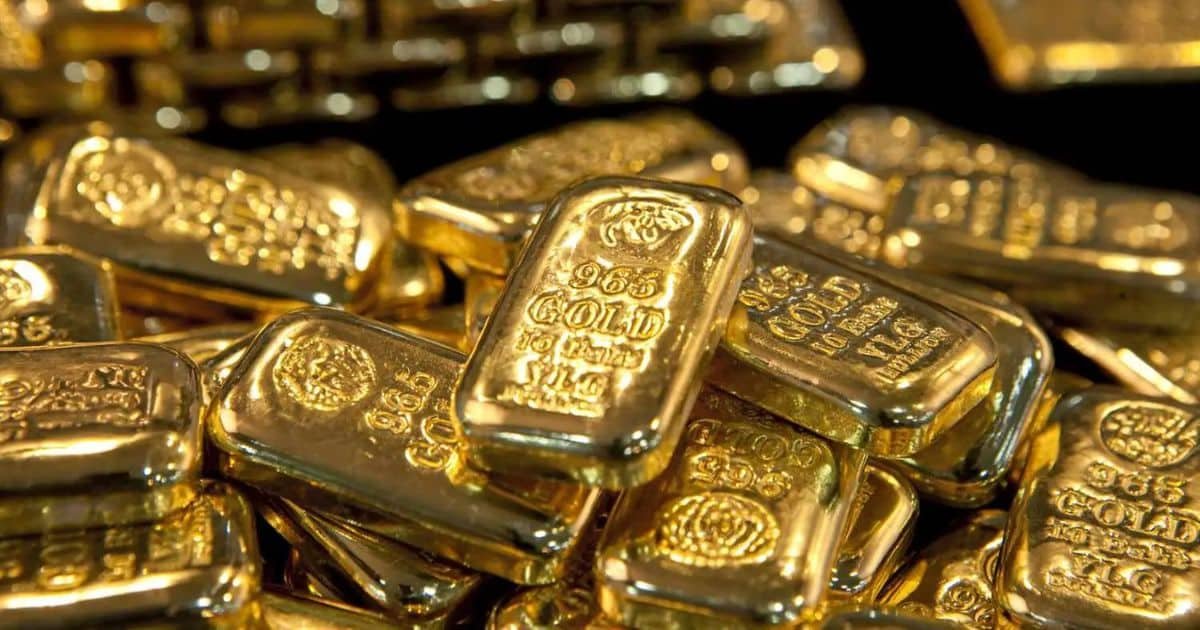



HSBC has projected that gold prices could trade above $4,000 per ounce in the near term, supported by a combination of geopolitical risks, fiscal uncertainties, and growing concerns over the Federal Reserve’s independence.
Thoughts on the next decade price forecast for Gold 💰
$7,000 in 5 years
$10,000 in 10 years
Im holding out for the long haul!! pic.twitter.com/L5vD7MhOEE
— Monaco Freedom (@MonacoFreedom) September 24, 2025
In a research note released Friday, the bank said that “rallies can continue into 2026 aided by official sector buying,” adding that institutional demand for gold as a portfolio diversifier remains robust.
The forecast comes as spot gold recently hit a record high of $3,896.49 per ounce on Thursday, fueled by market jitters surrounding a U.S. government shutdown and rising expectations of interest rate cuts. Despite modest movement in equities — with the S&P 500 edging slightly higher and the Nasdaq slipping more than a quarter of a percent — investors have continued to turn to gold as a safe store of value during uncertainty.
The U.S. Senate is set to vote again on Friday on competing Democratic and Republican plans to end the ongoing shutdown, now entering its third day. The stalemate — the 15th government shutdown since 1981 — has already disrupted scientific research, financial regulation, and key economic data releases, further deepening investor unease.
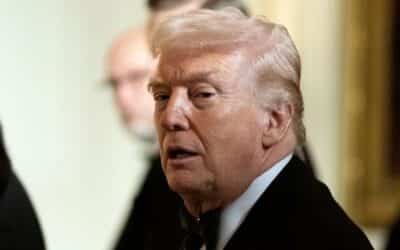
Adding to market tensions are worries about the Fed’s independence, following reports that President Donald Trump attempted to dismiss Fed Governor Lisa Cook, sparking fears of political interference in monetary policymaking.
HSBC cautioned that if the Federal Reserve delivers fewer rate cuts than currently projected, it could temporarily curb gold’s rally. However, the bank maintains that central banks are likely to stay strong buyers of gold through 2026, driven by geopolitical factors and a continued push to diversify reserves away from the U.S. dollar.
You May Like To Read: Geopolitical Tensions Escalate as US Signals Shift to ‘War to Win’ Amid Hybrid Threats