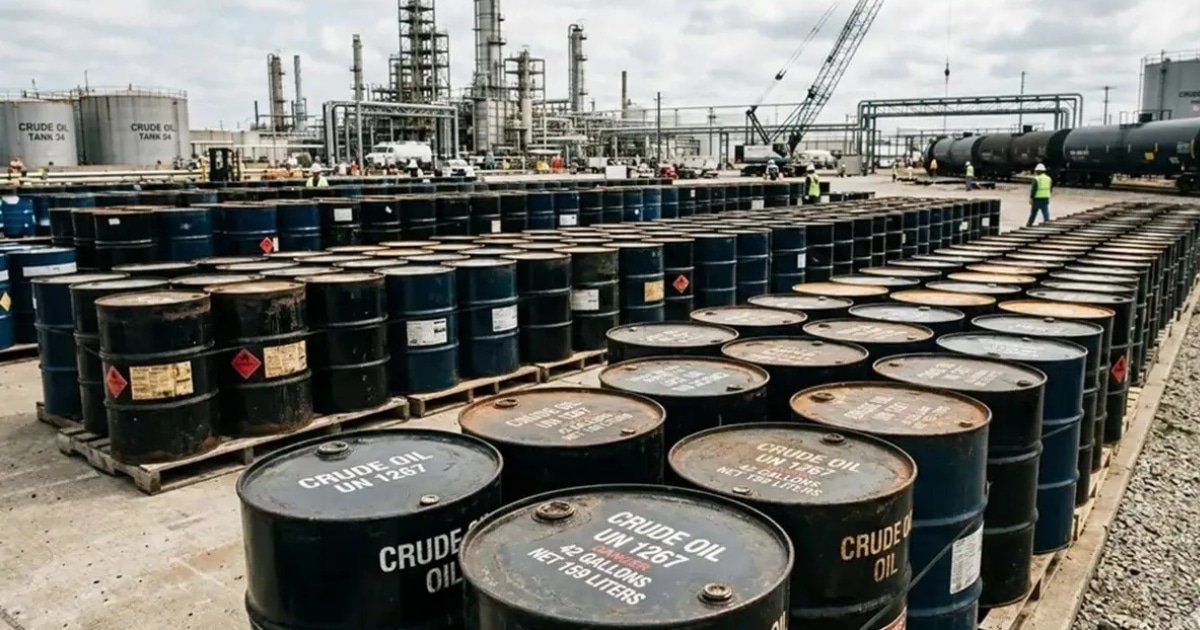




Global energy markets are facing an unprecedented supply crisis as benchmark oil prices head for a 10% weekly gain, despite aggressive emergency measures from Washington and the International Energy Agency (IEA). In a move reflecting the severity of the shortage, the U.S. Treasury has issued a 30-day emergency license allowing the purchase of sanctioned Russian oil and petroleum products currently stranded at sea.
The waiver, announced by Treasury Secretary Scott Bessent, is a narrowly tailored attempt to stabilize markets roiled by the ongoing US-Israeli war on Iran, which has effectively paralyzed the Strait of Hormuz—the world’s most critical oil chokepoint.
Oil on track for weekly gains despite US sanctions waiver on Russian oil https://t.co/EReAUnD38e https://t.co/EReAUnD38e
— Reuters (@Reuters) March 13, 2026
The Russian Oil Waiver: A Pragmatic Pivot
To increase the global reach of existing supply, the U.S. Department of the Treasury’s Office of Foreign Assets Control (OFAC) has authorized the delivery and sale of Russian crude and petroleum products loaded onto vessels as of March 12, 2026.
-
Duration: The license is valid until midnight on April 11, 2026.
-
Objective: Secretary Bessent clarified that the move aims to “stabilize global energy markets” without providing significant financial benefit to the Russian government, as revenue from these barrels was largely taxed at the point of extraction.
-
Scope: The waiver includes essential support activities such as safe docking, emergency repairs, and insurance for vessels, even those previously blocked under existing sanctions programs.
The US has issued its second authorization for buyers to take Russian oil already at sea, a move intended to ease growing pressure on prices as the war in the Persian Gulf continues https://t.co/CGHcFnxMya
— Bloomberg (@business) March 13, 2026
Market Volatility: Benchmarks Breach $100
Despite the waiver and a record-breaking release of emergency stockpiles, market analysts remain skeptical of a long-term fix.
-
Price Surge: Brent futures for May rose to $101.48 a barrel, while US West Texas Intermediate (WTI) climbed to $96.67. Both benchmarks hit their highest levels since August 2022.
-
Europe’s Vulnerability: Analysts note that Brent remains more supported than WTI as Europe faces a direct threat to energy security, whereas the U.S. relies more on domestic output.
-
Short-term Relief: Experts from LSEG and Haitong Futures warn that these measures do not address the “crux of the supply disruption”—the ongoing blockade of the Strait of Hormuz.
The Hormuz Standoff and Iraqi Port Closures
The geopolitical situation continues to deteriorate as Iran leverages its control over maritime routes.
-
Defiance from Tehran: Iran’s new Supreme Leader, Mojtaba Khamenei, has pledged to keep the Strait of Hormuz shut as a primary lever against the U.S. and Israel, warning of additional fronts if strikes continue.
-
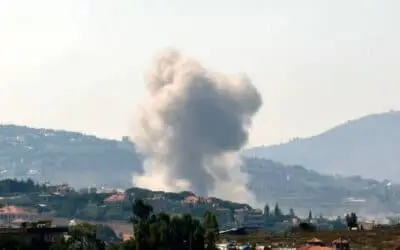
Maritime Attacks: Two fuel tankers in Iraqi waters were struck by explosive-laden Iranian boats on Thursday, resulting in the death of at least one crew member.
-
Iraqi Shutdown: Following the attacks, Iraqi security officials confirmed that the country’s oil ports have completely stopped operations, effectively removing significant volumes of crude from the global market.
You May Like To Read: China Mediates Between Pakistan and Afghanistan; FO Confirms Strategic Talks with Beijing
Coordinated Emergency Response
The U.S. and IEA are deploying the largest emergency stock release in history to prevent a $200-per-barrel scenario.
-
IEA Action: A coordinated release of 400 million barrels of oil from strategic stockpiles has been authorized.
-
U.S. Contribution: As part of this, President Trump authorized the release of 172 million barrels from the Strategic Petroleum Reserve (SPR).
-
Military Escorts: Secretary Bessent hinted at the possibility of the U.S. Navy, potentially with an international coalition, escorting tankers through the Strait of Hormuz once “militarily possible.”
Check out our latest video: