




Rising Pressure Over Iran’s Nuclear Program
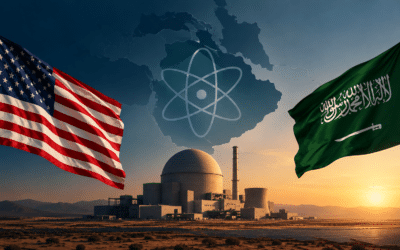
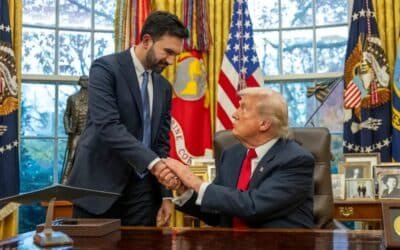
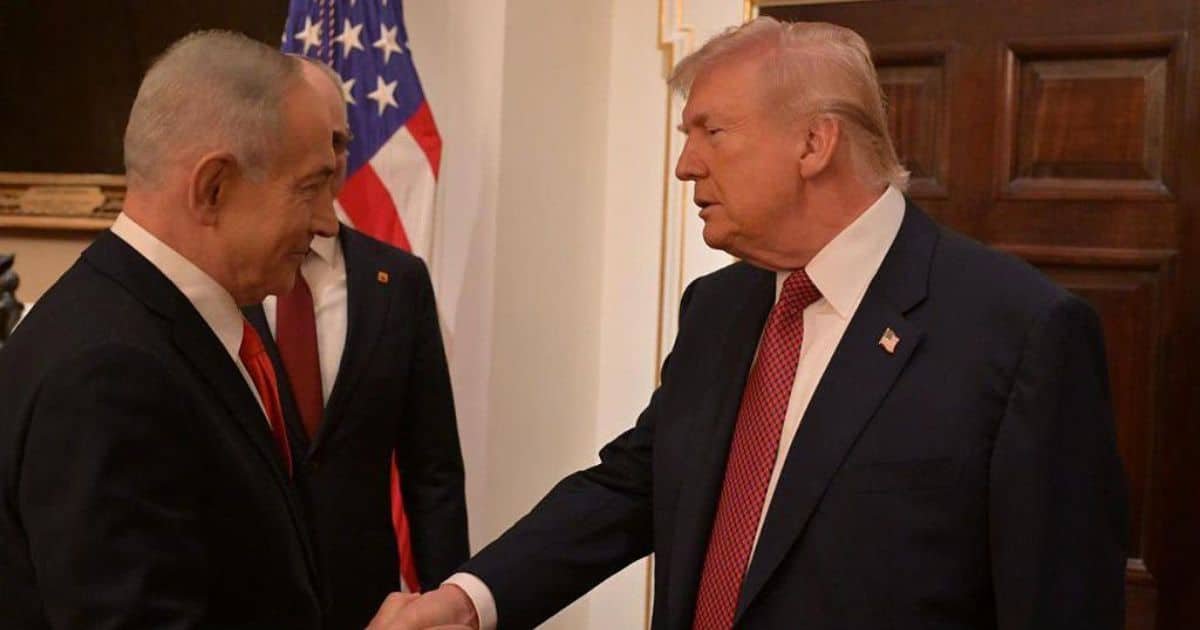
President Donald Trump is set to host Israeli Prime Minister Benjamin Netanyahu at the White House on Wednesday amid growing tensions in the Middle East. At the centre of their talks is Iran’s nuclear program and whether a new deal can be reached to prevent Tehran from developing nuclear weapons.
Today, Benjamin Netanyahu meets Donald Trump at the White House for the seventh time since Trump was reelected. Ostensibly, it is a reunion of old allies; in reality, it is a war council of desperate men. As they lean over maps spread across a large table, the atmosphere will be… pic.twitter.com/BeGrB9FgiI
— Middle East Monitor (@MiddleEastMnt) February 11, 2026
Netanyahu is expected to push for a strong agreement that goes beyond limiting uranium enrichment. He wants any deal to also curb Iran’s ballistic missile program and end its support for armed groups like Hamas and Hezbollah. Before leaving for Washington, Netanyahu said he would present Israel’s key concerns and principles regarding the negotiations.
Iran, however, has signalled it is only willing to limit its nuclear activities in exchange for relief from heavy economic sanctions. Iranian leaders have rejected demands related to missiles and regional influence.
Military Warnings and Diplomatic Signals
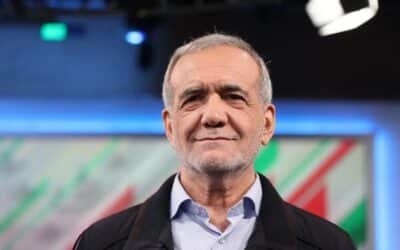
Ahead of the meeting, Iranian President Masoud Pezeshkian warned that Iran would “not yield to excessive demands.” Speaking at a rally in Tehran, he insisted that Iran is not seeking nuclear weapons and is open to international inspections. At the same time, he stressed that Iran would not give in to pressure.
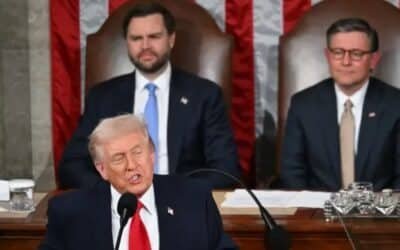
Meanwhile, the United States has increased its military presence in the region. President Trump has warned Iran of possible strikes if it fails to reach a deal. He is reportedly considering sending a second aircraft carrier strike group to the Middle East, signalling both strength and readiness.
High Stakes for All Sides
Netanyahu’s visit his sixth since Trump returned to office shows the close ties between the two leaders. Israel views Iran as a serious security threat and wants firm action. Experts say Israel fears that the US may accept a weaker deal just to secure an agreement. With Iran facing internal unrest and recent military setbacks, analysts believe Tehran is under pressure. The coming talks could shape the future of stability in the Middle East.
You May Like To Read: