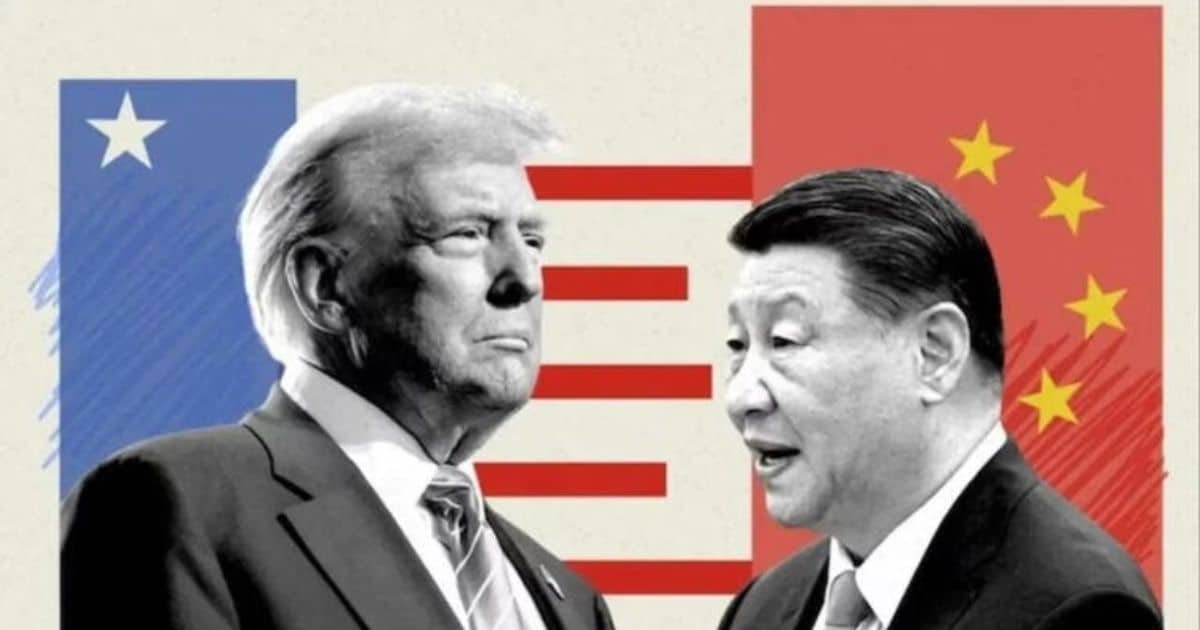




The Global Trade and Commerce Council (GTCC) today issued an urgent call for restraint and negotiation following new measures announced by the world’s two largest economies—the United States and the People’s Republic of China—that risk severe disruption to global supply chains and post-pandemic economic recovery.
This latest flare-up, defined by China’s expanded export controls on rare earth minerals (effective December 1) and the US’s announcement of retaliatory 100% tariffs on Chinese imports (starting November 1), signals a dangerous intensification of strategic economic rivalry.
BREAKING:
China says it plans to impose 1000% tariffs on the US if trade war continues pic.twitter.com/1YK2fo0kpB
— World Affairs (@World_Affairs11) October 20, 2025
The immediate market reaction, which saw the S&P 500 drop significantly in a single day, evokes unsettling memories of the 2018-2019 trade war. The GTCC warns that allowing this ‘escalate then negotiate’ dynamic to proceed unchecked will impose substantial costs worldwide:
- Supply Chain Fragmentation: New restrictions on critical resources, like rare earth minerals essential for electric vehicles and defense technology, and threatened curbs on US software exports, will accelerate the fragmentation of global supply chains.
- Inflationary Pressure: Heightened tariffs on Chinese imports, some potentially reaching 130%, directly translate to higher costs for American consumers across electronics, furniture, and other goods, exacerbating existing global inflationary strains.
- Stalled Innovation: Uncertainty hinders long-term business investment, particularly in sectors dependent on semiconductors, AI, and robotics.
The GTCC identifies the upcoming Asia-Pacific Economic Cooperation (APEC) Summit in South Korea as a critical, time-sensitive venue for high-level dialogue between Presidents Trump and Xi Jinping.
We urge both leaders to utilize this opportunity to prioritize confidence-building measures over competitive confrontation. Specifically, the GTCC calls for:
- Immediate Moratorium on New Barriers: A mutual agreement to pause the implementation of new tariffs and export licensing requirements, including the November 1 and December 1 deadlines, in exchange for a commitment to transparent dialogue.
- Commitment to Supply Chain Resilience: China must provide clear assurances on the export processes for critical minerals, while the US must accelerate its strategic investment in supply diversification alongside key allies (G7, Australia, Canada).
- Cooperation in Non-Sensitive Areas: Finding common ground in areas like climate technology where mutual dependence persists.
“The long-term goal for both the US and China must be managed competition, not mutual destruction,” said Dr. Eleanor Vance, Director General of the GTCC. “The immense costs of this renewed conflict are borne by businesses, consumers, and trading partners globally. True economic strength lies not in isolation, but in strategic restraint and a commitment to clear, open trade channels. The APEC summit is the last, best chance to choose equilibrium over escalation.”
You May Like To Read: Study Finds Men’s Brains Age Faster But Women Still Face Greater Alzheimer’s Risk