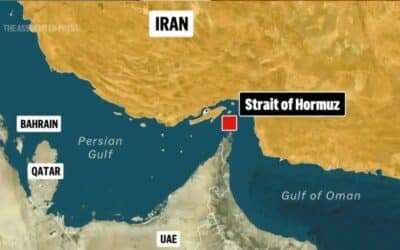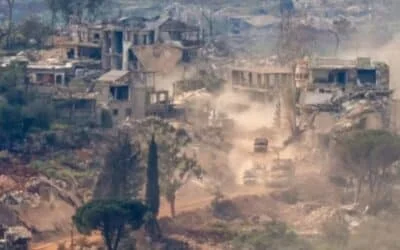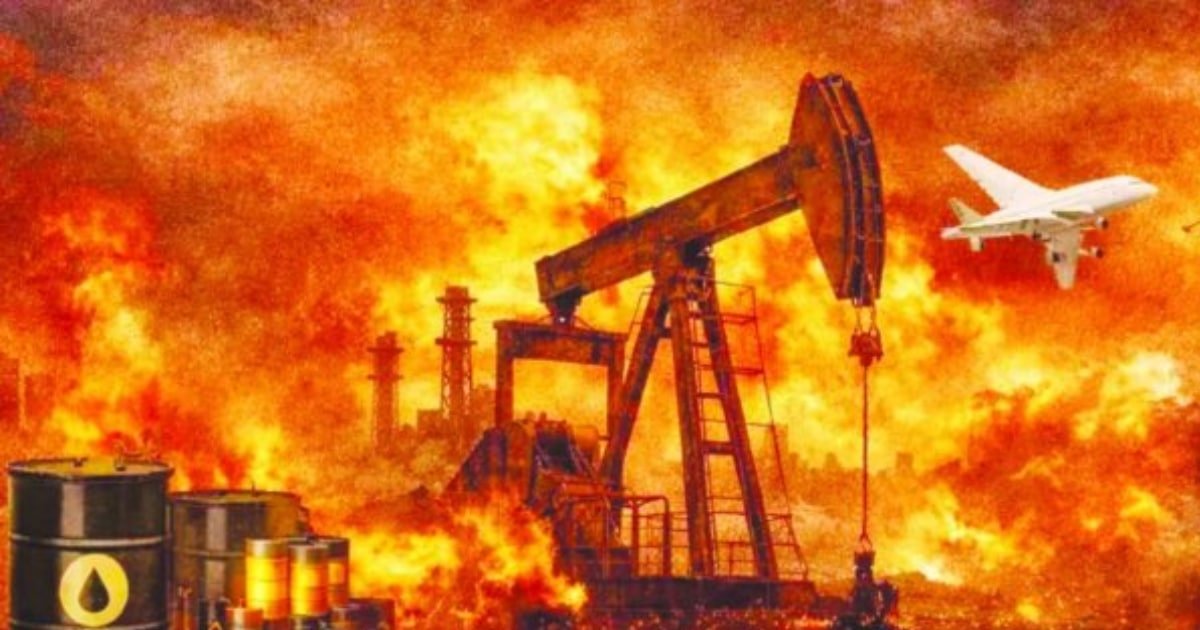





As renewed conflict in the Gulf sends shockwaves through global oil markets, Pakistan faces a harsh reality: its economy remains dangerously reliant on imported oil, making it vulnerable to geopolitical instability. A surge in crude prices threatens to destabilize the nation’s economy, impacting inflation, currency value, and the lives of everyday citizens.
The renewed Gulf conflict highlights Pakistan’s deep dependence on imported oil. As tensions rise in the Middle East, global crude prices increase and Pakistan feels the impact directly. Higher fuel costs quickly pass through the economy, raising transport charges, electricity… pic.twitter.com/IymEsPAmtb
— Bloom Pakistan (@bloom_pakistan) May 11, 2026
This isn’t just a distant regional conflict; it’s an economic shockwave. We must act decisively to protect our economy and our people.
The immediate impact of rising oil prices is a surge in inflation, affecting transportation, electricity, manufacturing, and food costs. A $10 increase per barrel can add a full percentage point to inflation, squeezing household budgets already strained by record-high prices.
Pakistan’s dependence on roughly $18-20 billion in annual petroleum imports exacerbates the issue. A mere $5 increase in global crude prices adds $1 billion to the import bill, weakening the rupee, increasing external borrowing, and forcing the State Bank into defensive monetary tightening. The government struggles to keep the system running, hindering investment in essential sectors like health, education, and infrastructure.
To mitigate the crisis, Pakistan must avoid broad subsidies, which have historically led to ballooning deficits and IMF interventions. Instead, targeted relief through digital cash transfers via programs like the Benazir Income Support Programme (BISP) can protect low-income households without distorting fuel prices. Limited support for public transport, agriculture, and essential goods transporters can prevent inflation from spreading through the supply chain. Strategic use of existing fuel stocks and energy conservation measures, such as early market closures and energy-efficient lighting, can also provide temporary relief.
Diplomatically, Pakistan should leverage its relationships with Saudi Arabia, the UAE, and Qatar for structured support like deferred payment arrangements and flexible LNG scheduling. Timely external inflows, supported by the ongoing IMF program, are crucial for exchange rate stability.
However, these short-term measures are insufficient to address Pakistan’s structural vulnerability. The long-term solution requires a fundamental shift in national priorities and a commitment to:
- Accelerate the shift to renewable energy: Target 50% renewable energy by 2030 to reduce the import bill, stabilize electricity prices, and attract foreign investment.
- Expand domestic refining capacity: Upgrade and expand refineries to improve energy security and reduce reliance on refined imports.
- Electrify transport: Incentivize electric vehicle adoption and localize EV manufacturing to significantly reduce oil demand.
- Fix the power sector: Address circular debt, transmission losses, and tariff distortions to stabilize energy prices.
- Build a strategic petroleum reserve: Establish a national reserve to cushion future price shocks and strengthen supply security.
This is a moment of reckoning. The Gulf crisis is a warning that our economic model is unsustainable as long as we remain tethered to imported oil. We must embrace bold reforms and prioritize energy independence.
You May Like To Read: Pakistan Receives Iranian Response as Tensions in Hormuz Rise
Check out our latest video: