

A Campus Awakening and a New Political Era
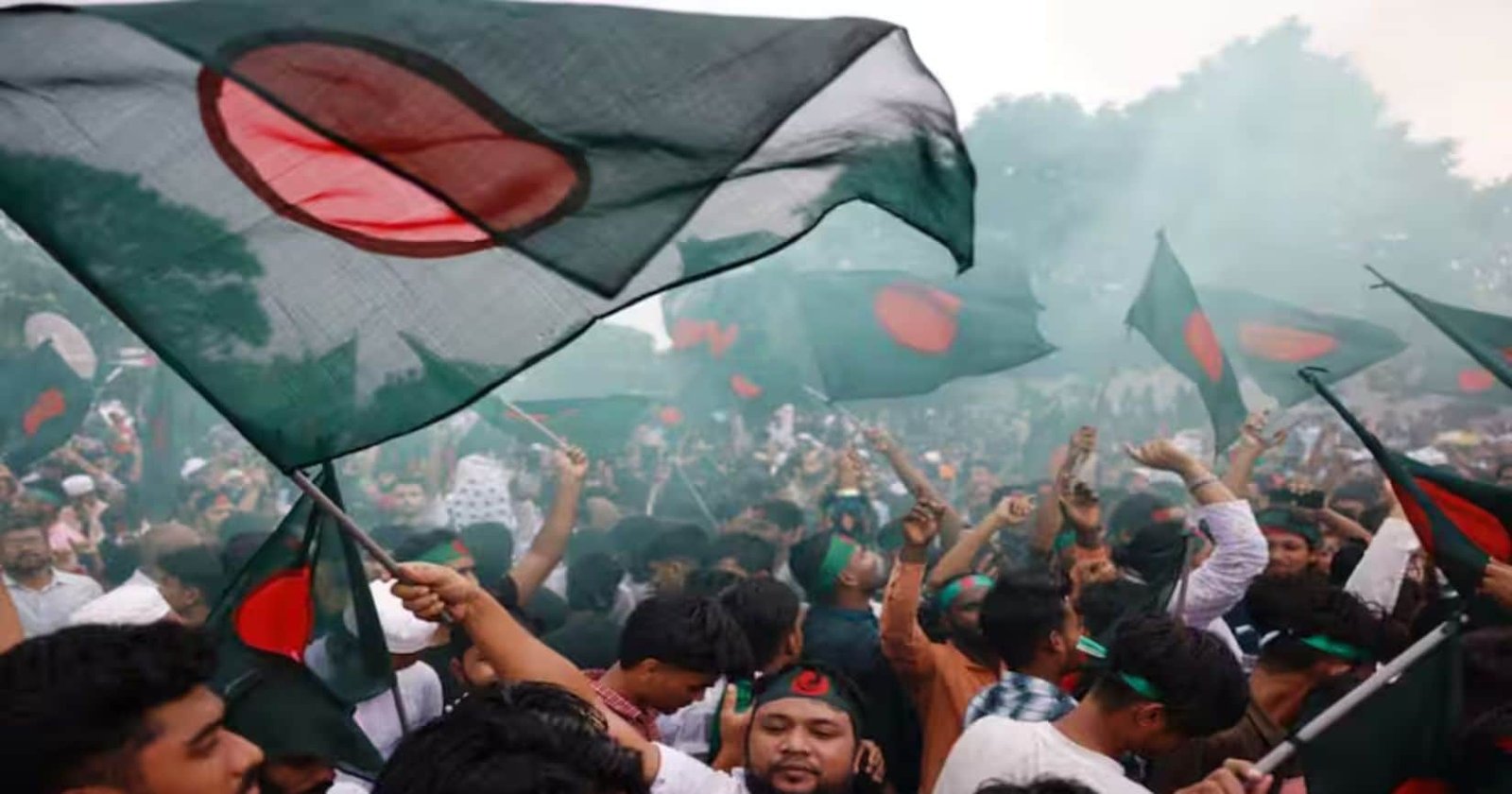
The walls of Dhaka University are once again alive with graffiti—angry, witty, and poetic messages that reflect a new political awakening among Bangladesh’s youth. These slogans echo the Gen Z-led uprising of July 2024 that ended Sheikh Hasina’s 15-year rule and forced her into exile in India. For many young Bangladeshis, the coming election on 12 February will be their first real experience of democracy.
“This is Dhaka not Delhi” pic.twitter.com/z91cmYbaKn
— Kreately.in (@KreatelyMedia) November 26, 2025
Students now openly gather to debate politics, identity, and the future of their country. With Nobel laureate Muhammad Yunus taking charge after Hasina’s fall, a new political chapter has begun, but it remains fragile, emotional, and deeply shaped by the trauma of past violence and repression.
Power Shifts and a Broken Political System
Bangladesh’s political landscape has changed dramatically. The Awami League, once the country’s most powerful party, has been barred from contesting the election, creating a political vacuum. The Bangladesh Nationalist Party is moving to occupy the liberal-centrist space,
while Islamist and student-led parties are forming new alliances. Many citizens see this as a chance to rebuild democracy after years of one-party dominance and disputed elections. However, the memory of repression, deaths, and forced silence still lingers, creating deep mistrust toward institutions and foreign backers of the old regime.
Rising Anti-India Sentiment and Regional Tensions
The anger on the streets is not only directed inward. Slogans like “Dhaka, not Delhi” reflect a growing belief among young people that India has interfered in Bangladesh’s politics for years. Many feel India supported an authoritarian system and ignored the democratic collapse.
Old disputes over borders, water sharing, trade, and rhetoric have mixed with recent political events to fuel resentment. What was once seen as a close regional partnership is now viewed by many as unequal and controlling.
As Bangladesh moves toward a new political future, relations with India face their deepest crisis in decades, shaped by distrust, anger, and a powerful new youth voice demanding sovereignty and dignity.
You May Like To Read: