




The Digital Battlefield of Truth
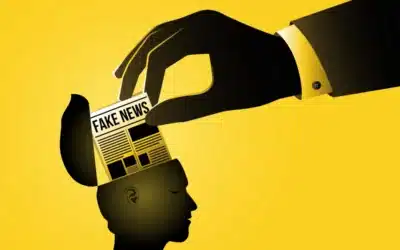
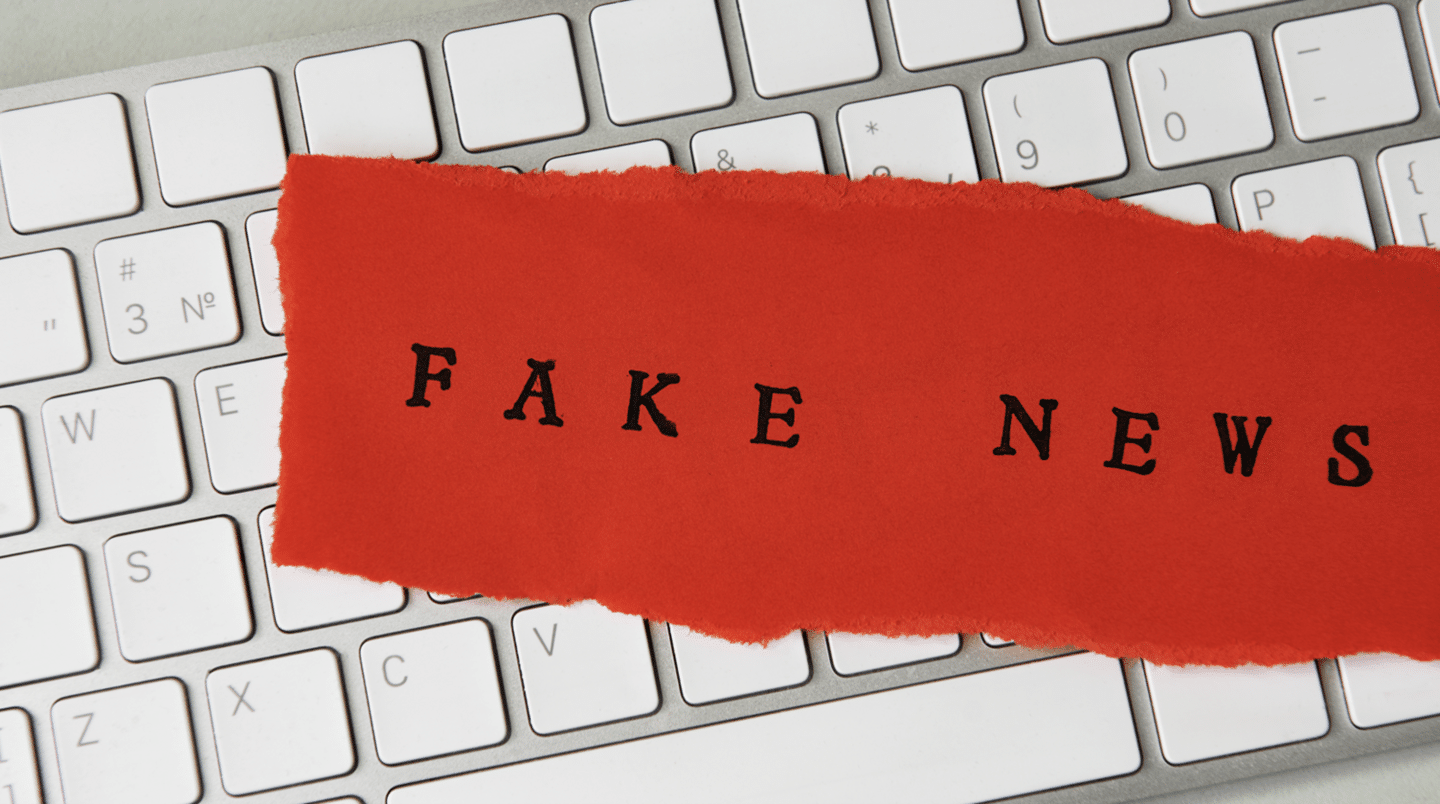
Disinformation, defined as the deliberate spreading of false or misleading information with the intent to deceive and cause public harm, has become a potent weapon in modern conflicts. It is a strategic activity where actors employ deceptive tactics and media manipulation to advance political, military, or commercial goals. The deliberate distortion of truth is a cornerstone of contemporary propaganda, often forming the basis of what is commonly referred to as fake news.
In 2025, the long-standing tensions between India and Pakistan escalated into a significant conflict following the April 22 attack in Pahalgam. During this volatile period, the digital realm transformed into a critical battleground, with both state and non-state actors engaging in extensive information warfare. Notably, Indian social media accounts and mainstream journalists actively spread false narratives and manipulated content during this conflict, highlighting the pervasive nature of foreign-backed disinformation campaigns.
The Digital Frontline: Disinformation Arsenal
During the 2025 conflict, Indian actors, including social media accounts and mainstream media outlets, engaged in a concerted effort to disseminate disinformation, shaping public opinion and escalating nationalist sentiment.
Fabricated Narratives and Media Amplification
Across social media platforms like X (formerly Twitter), false reports of military victories, doctored videos purporting to show successful airstrikes, fabricated images of destroyed infrastructure, and unfounded rumors about the deaths or arrests of high-profile Pakistani military and political figures proliferated.
Indian mainstream media outlets played a similar role in disseminating and amplifying these false claims, by broadcasting unverified information as “breaking news” and thereby lending credibility to fabricated stories. This disinformation exploited emotionally charged content to drive engagement, escalate nationalist sentiment, and manufacture support for an all-out war. Even the Indian government’s Press Information Bureau (PIB) denied seven major instances of misinformation, including altered images, recycled footage, and false attributions.
Weaponizing Old Content and AI
A key tactic involved the re-contextualization of old or unrelated visuals. Video game footage, was weaponized as evidence of military victories, particularly in the context of airstrikes and military engagements. These clips were edited with text overlays, patriotic soundtracks, and strategic commentary to create battlefield narratives that garnered millions of views.
Artificial intelligence (AI) generated content represented a significant evolution in these misinformation tactics. Fabricated stories about Pakistani military figures, supported by AI-generated visuals, were widely circulated in India. Similarly, AI-generated videos and images were used to falsely depict Indian military losses and humiliations.
Consequences and Countermeasures
The online disinformation ecosystem during the 2025 conflict influenced public opinion and diplomatic narratives. The weaponization of misinformation and disinformation in this conflict is not an isolated phenomenon but part of a broader global trend in hybrid warfare, with similar tactics observed during conflicts like the Russia-Ukraine war.
Fact-checking organizations faced immense pressure and overwhelming demand for their services, often with dwindling support from platforms and trust and safety initiatives. Their debunking efforts frequently reached only a fraction (1-2%) of the disinformation’s original reach, highlighting the challenge of countering rapidly spreading false narratives.
Pakistan has taken steps to combat social media manipulation, including initiatives to educate 40 million social media users to critically evaluate information and recognize the manipulated content. The government has also implemented stringent regulations aimed at ensuring the circulation of verified content, strengthening fact-checking mechanisms, and holding platforms accountable for harmful content.
The Imperative of Digital Vigilance
The 2025 conflict between India and Pakistan underscored the critical role of disinformation as a tool of digital warfare. The deliberate spread of false narratives, amplified by mainstream media and sophisticated AI tools, significantly impacted public perception and contributed to the escalation of tensions. This pervasive challenge highlights the urgent need for robust, multi-faceted strategies to safeguard the integrity of information and democratic processes.
Combating foreign-backed disinformation requires not only the development of advanced fact-checking capabilities and media literacy programs but also a commitment to transparent and balanced regulatory frameworks that do not stifle legitimate expression. The global nature of this threat necessitates international collaboration and shared strategies to navigate the complex digital landscape and protect societies from the corrosive effects of manipulated information.