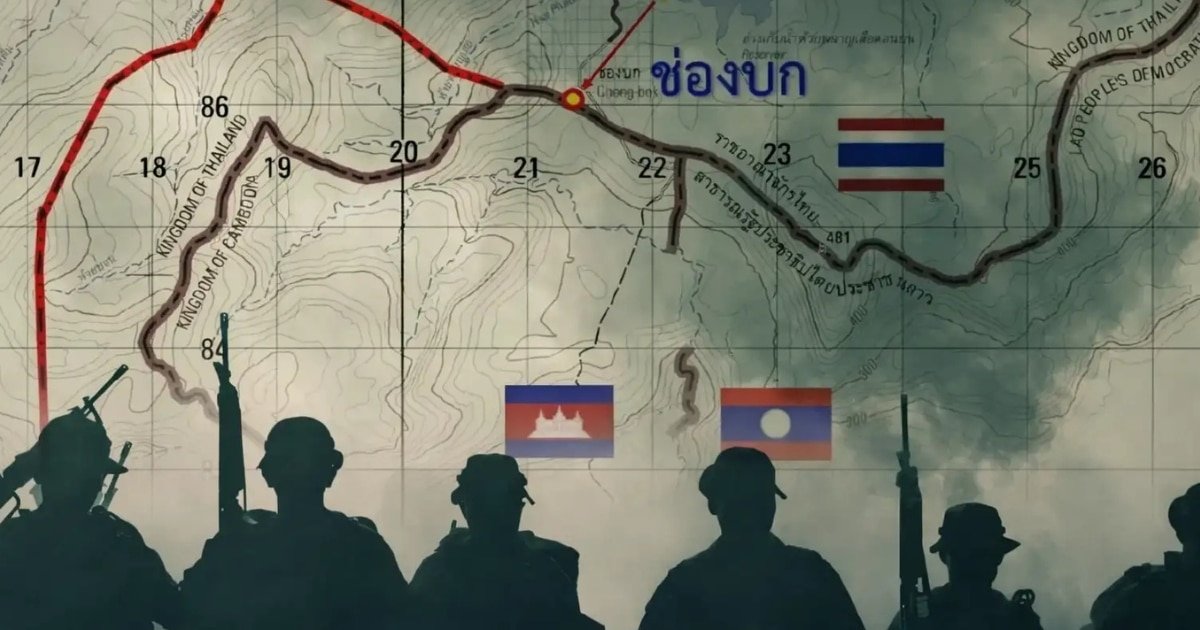





Renewed Violence at the Border
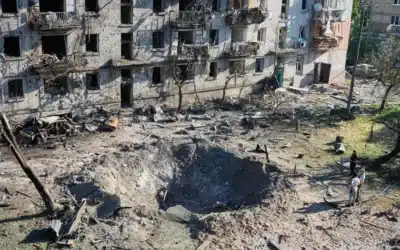
In December 2025, long-standing tensions between Cambodia and Thailand erupted once again into open conflict along their shared border, marking one of the most serious escalations in Southeast Asia in decades. The violence began on December 7 and quickly intensified, with both armies exchanging heavy artillery, rocket fire and airstrikes across multiple contested border points. The clashes have occurred along the 817-kilometre frontier that has been disputed for over a century, particularly around areas linked to historical territorial claims.
This latest round of hostilities shattered a fragile peace that regional and international mediators had worked to build earlier in the year. A ceasefire and peace agreement known as the Kuala Lumpur Peace Accord was signed on October 26, 2025, under ASEAN auspices and with international witnesses, including the United States. The accord aimed to halt fighting, withdraw heavy weapons from forward positions, and establish a joint observer mechanism. But within weeks, the truce collapsed amid renewed mistrust and fresh accusations of violation by both sides, triggering fresh combat.
You May Like to Read: Thailand-Cambodia Border Conflict Intensifies: Cambodia Proposes Ceasefire Amid Rising Death Toll and International Alarm
Human Cost and Displacement
The humanitarian toll of the clashes has been severe and growing. Hundreds of thousands of civilians have been uprooted from their homes as gunfire, bombardments and military movements shook towns and rural communities along the frontier. Reports indicate that more than half a million people have fled to safer areas, seeking refuge in camps or with relatives away from the immediate danger.
Amid the chaos, ordinary families have faced immense suffering. In displacement centres near the Thai border, pregnant women, elderly citizens and children wait for basic services like clean water, food and medical care. One expectant Cambodian mother, having escaped fighting in her village, has expressed fear for her unborn child in congested, poorly supplied camps, as aid agencies struggle to meet urgent needs.
Casualty figures remain contested, but official sources on both sides report dozens of deaths and injuries, including civilian casualties on both sides of the border. At least one Thai civilian was confirmed killed by rocket fire, highlighting that the conflict is not confined to combatants alone.
You May Like to Read: Thailand Launches Air Strikes Against Cambodia as Ceasefire Breaks Down
Geopolitical Underpinnings of the Conflict
The roots of the Cambodia–Thailand clashes are deeply historical. Colonial-era treaties and maps, particularly those involving the Preah Vihear temple area near the Dangrek escarpment, lie at the heart of the territorial dispute. Competing interpretations of these old agreements have fuelled nationalist sentiments in both countries for generations. Colonial-era boundary demarcations placed key cultural sites and surrounding land in ambiguous positions, leading to periodic flare-ups since the mid-20th century.
While these disputes might appear academic, they carry potent symbolic weight for national identity and political legitimacy, making compromise difficult. Domestic political pressures in both capitals have amplified hardline postures, complicating diplomatic efforts. Leaders in Phnom Penh and Bangkok face public expectations to assert sovereignty, while balancing the risks of military escalation.
You May Like to Read: Trump’s ‘Ended Wars’ Falter as Cambodia-Thailand Truce Collapses
Challenges to ASEAN Diplomacy
The renewed conflict has tested the capacity and cohesion of the Association of Southeast Asian Nations (ASEAN), the regional grouping that includes both Cambodia and Thailand. ASEAN’s central diplomatic instruments are grounded in consensus and non-interference, which many analysts now acknowledge can be limiting in moments of acute crisis. Despite ASEAN hosting peace talks earlier in the year, the breakdown of the peace accord has exposed the limitations of these mechanisms when member states prioritize national security narratives over regional harmony.
ASEAN member states, led by Malaysia as chair, have called for renewed dialogue and cessation of hostilities. A special meeting of foreign ministers scheduled in Kuala Lumpur aimed to bring both sides back to a diplomatic table. However, Thailand has set 3 stringent conditions for any ceasefire, including Cambodia issuing a first ceasefire declaration and joint mine clearance efforts, terms Phnom Penh has been reluctant to accept without concrete guarantees.
International Mediation Efforts
In the face of ASEAN’s struggles, external powers have stepped in to augment mediation efforts. China has dispatched a special envoy to Phnom Penh and Bangkok to encourage dialogue and reduce tensions. Chinese Foreign Minister Wang Yi has urged both parties to halt fighting, warning that continued hostilities undermine ASEAN unity and benefit no one. Beijing asserts its role as a neutral partner seeking peace, even as it maintains defense ties with both countries.
Simultaneously, the United States has engaged diplomatically, renewing calls for a ceasefire ahead of the ASEAN meeting and pressing both sides to return to the table. Washington’s engagement underscores broader strategic interests in seeing stability preserved in Southeast Asia, even as rival powers like China assert influence through shuttle diplomacy.
This dual-track international involvement reflects not only concern over the immediate violence but also the strategic importance of Southeast Asian security. A protracted conflict could weaken confidence in ASEAN as a stabilizing force and invite deeper involvement from external powers, reshaping geopolitical alignments.
You May Like to Read: Malaysia to Host Historic Cambodia-Thailand Peace Accord Signing
Economic and Regional Stability Risks
Beyond the battlefield, the border clashes have disrupted economic activity, trade and tourism in both Cambodia and Thailand. Border closures and insecurity have hindered commerce in key crossings that serve as economic lifelines for local communities. Tourism, an important sector for both nations, especially in provinces near the fighting, has also taken a hit as travel advisories warn against visiting conflict zones.
The humanitarian and economic consequences have broader implications for Southeast Asian integration efforts. Cross-border cooperation initiatives and infrastructure projects risk being sidelined as security concerns dominate agendas. The conflict illustrates how local territorial disputes can ripple outward, affecting sub-regional cooperation mechanisms and investor confidence.
Concluding: Hope for a Ceasefire and Lasting Peace
Despite the heavy toll and diplomatic hurdles, there are signs of a shared desire to end the violence. Both Phnom Penh and Bangkok have expressed at various times a willingness to de-escalate and engage in negotiations, as conveyed in recent diplomatic exchanges mediated by China. ASEAN’s foreign ministers, meeting in Kuala Lumpur, represent the most viable platform for forging a renewed path to peace, provided both parties commit to compromise and mutual respect.
For Pakistan and other observers in the Global South, the conflict serves as a reminder of the fragility of peace even among neighbours with deep historical ties. ASEAN’s experience could inform other regional organisations about the importance of adaptable diplomacy, effective conflict-resolution mechanisms, and the need to prevent disputes from spiralling into broader violence.
Restoring peace between Cambodia and Thailand is not just about ending a specific clash. It is about reaffirming the principles of dialogue over force, strengthening regional institutions, and protecting the lives and livelihoods of ordinary citizens caught in the crossfire.
Check out our latest video: