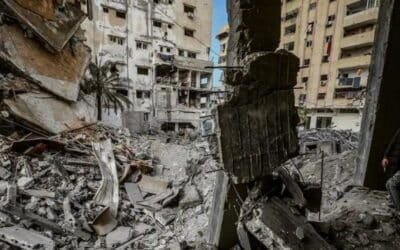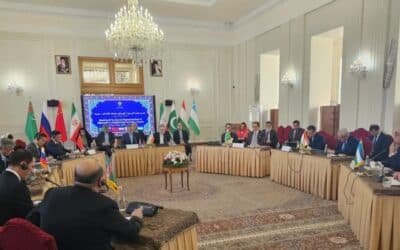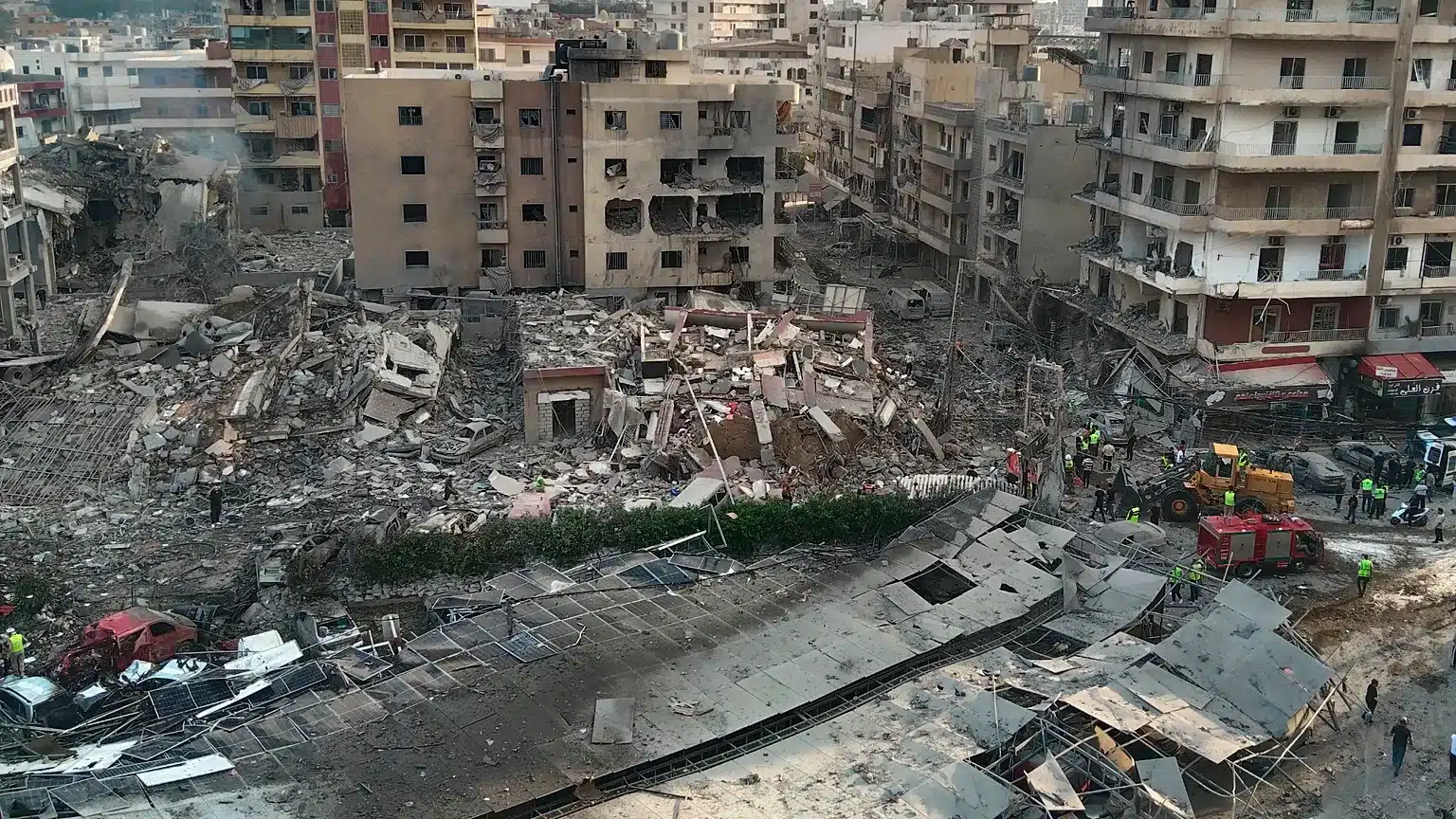




The fragile diplomatic framework intended to preserve peace between the United States and Iran is on the verge of collapse. Tehran formally announced the suspension of indirect negotiations with Washington on Monday, citing Israeli military advancements into Lebanon as a direct breach of the current ceasefire “on all fronts.”
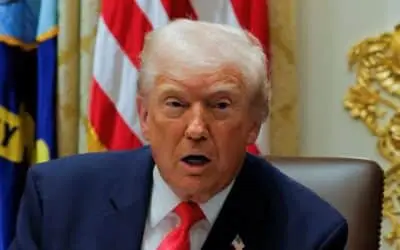
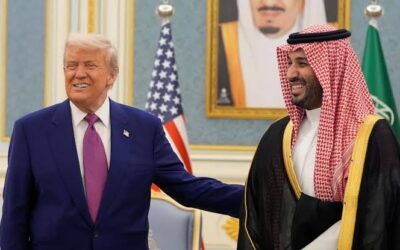
The diplomatic breakdown triggered a swift, multi-directional response from Washington. While U.S. President Donald Trump initially dismissed the suspension of talks during a CNBC interview—stating, “If they’re over, they’re over”—he subsequently moved via backchannels to de-escalate the situation.
In an unprecedented diplomatic maneuver, President Trump claimed to have established communication with Hezbollah through intermediaries to halt the fighting. Taking to Truth Social, Trump announced: “There will be no troops going to Beirut, and any troops that are on their way have already been turned back,” adding that Hezbollah had conversely agreed to stop targeting northern Israel.
A Lebanese official confirmed to Reuters that Hezbollah conveyed its willingness to halt attacks on northern Israel via Lebanon’s Parliament Speaker Nabih Berri, conditional on Israel sparing Beirut and its suburbs.
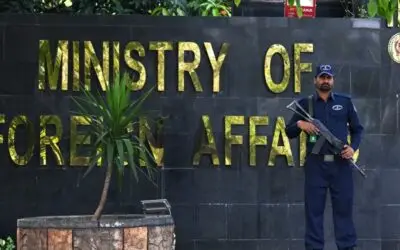
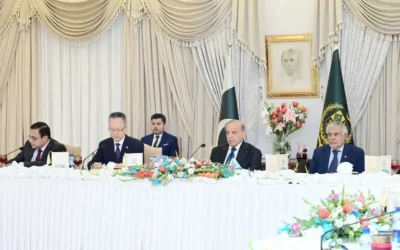
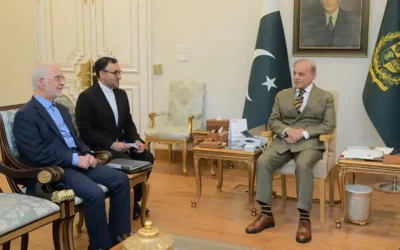
Despite these backchannel maneuvers, the situation on the ground remains highly volatile. Iranian Foreign Minister Abbas Araghchi and top negotiator Bagher Ghalibaf blamed the U.S. and Israel for the breakdown, citing the U.S. naval blockade on Iranian ports and Israeli actions in Lebanon as explicit non-compliance. Concurrently, Iran has reached out to regional neighbors, with Araghchi holding an urgent phone call with Pakistani Foreign Minister Ishaq Dar to request Islamabad’s continued mediation and de-escalation efforts.
Iran warns Israeli attacks in Lebanon threaten ceasefire with US https://t.co/CirVF3TggJ
— BBC News (World) (@BBCWorld) June 1, 2026
Critical Analysis: A Fragmented Peace and Chokepoint Geopolitics
The current crisis highlights the structural vulnerabilities of the February 28 ceasefire agreement. By analyzing the geopolitical, economic, and military variables at play, several critical insights emerge:
The Paradox of “All Fronts” Deterrence
Iran’s strategic doctrine treats the “Axis of Resistance” (comprising Hezbollah in Lebanon, the Houthis in Yemen, and various Iraqi militias) as an interconnected deterrent framework. Foreign Minister Araghchi’s declaration that a “violation on one front is a violation on all fronts” demonstrates that Tehran will not accept a siloed ceasefire.
By tying the survival of the U.S.-Iran diplomatic track directly to Israeli actions in Beirut, Iran is attempting to force Washington to restrain its primary regional ally.
High-Stakes Economic Warfare & Maritime Chokepoints
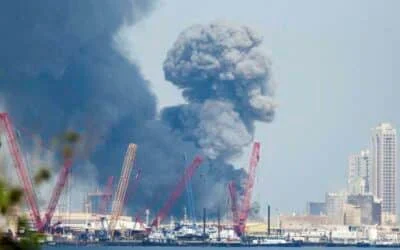
The broader conflict has already inflicted severe global economic pain due to Iran’s effective closure of the Strait of Hormuz—the world’s most critical transit route for oil and liquefied natural gas (LNG).
Tehran’s warning via the Tasnim news agency to open “new fronts” in the Red Sea and fully activate the Bab el-Mandeb Strait via Houthi forces represents a calculated escalation. Weaponizing these two distinct maritime chokepoints simultaneously would effectively cripple East-West maritime trade and the Suez Canal corridor, potentially triggering a global energy crisis to force Western compliance.
Kinetic Realities vs. Rhetorical Posturing
A dangerous disconnect has emerged between political rhetoric and kinetic military realities on the ground:
-
The Diplomatic Front: President Trump describes negotiations as moving at a “rapid pace” and uses unconventional social media diplomacy to signal immediate de-escalation regarding Beirut.
-
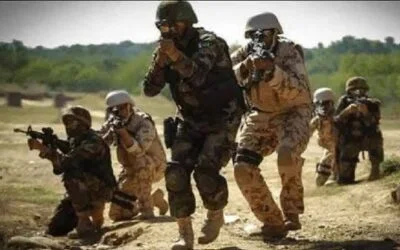
The Military Front: Despite the theoretical ceasefire, active military engagements continue. The U.S. military recently struck Iranian air defenses following the shootdown of an American drone, while U.S. forces in Kuwait intercepted two Iranian ballistic missiles targeting an American airbase.
This ongoing gray-zone warfare risks an accidental, catastrophic escalation that could outpace the backchannel diplomatic efforts currently being brokered through Lebanon and Pakistan.
The Emergence of Non-Traditional Channels
Trump’s acknowledgment of indirect talks with Hezbollah marks a significant departure from historical U.S. foreign policy, which strictly avoids engaging with designated terrorist organizations. This willingness to bypass traditional diplomatic protocol underscores the urgency of the crisis and highlights a highly transactional approach to conflict resolution.
However, relying on highly centralized, informal communication channels (such as Truth Social pronouncements and single-intermediary messages) introduces high levels of volatility and miscalculation risks for all state actors involved.