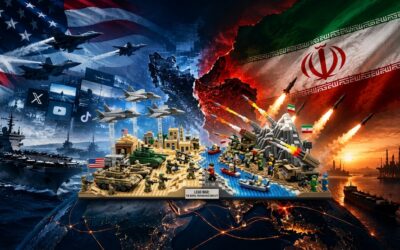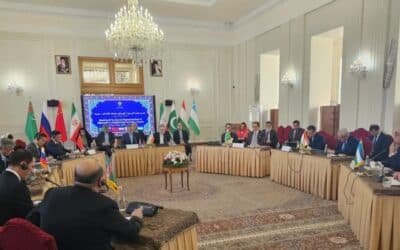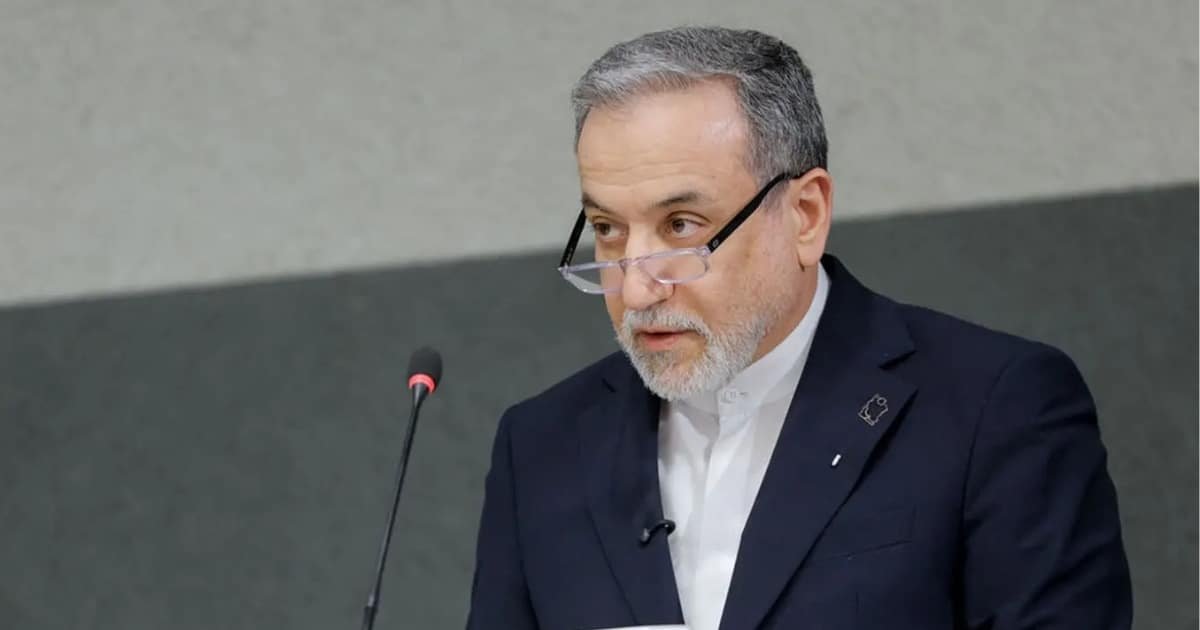





In a significant but cautious diplomatic breakthrough, Iranian Foreign Minister Abbas Araghchi announced today that Iran and the United States have agreed upon a “set of guiding principles” following the second round of high-stakes, indirect negotiations in Geneva. The talks, mediated by Oman, represent the most serious attempt to revive nuclear diplomacy since the collapse of previous efforts following the June 2025 Israel-Iran War, which saw brief U.S. intervention.
Iranian FM Abbas Araghchi has said that “good progress” has been made in indirect nuclear talks with the US, as Washington warned that military action remains an option if diplomacy fails https://t.co/X8FnX9YDMz pic.twitter.com/mnSnJlEN1Q
— Al Jazeera English (@AJEnglish) February 18, 2026
The Geneva Understanding: A Path, Not a Deal
Addressing state media after the three-hour session, Araghchi described the atmosphere as “more constructive” than the initial round in Muscat on February 6.
-
The Framework: The newly established principles serve as a roadmap for drafting a formal agreement. Negotiators are expected to begin exchanging draft texts within the next fortnight.
-
Red Lines Remain: Despite the progress, Araghchi cautioned that a quick deal is unlikely, citing deep-seated gaps in positions. Iran continues to insist on sanctions relief and the unfreezing of $6 billion in assets held in Qatar, while ruling out any discussion regarding its ballistic missile program or regional proxies.
-
U.S. Position: Lead U.S. negotiators Steve Witkoff and Jared Kushner—representing the Trump Administration—reportedly focused on verification protocols and the potential “down-blending” of Iran’s 60% enriched uranium stockpile.
Khamenei’s Defiance: “The Sinking of Warships”
The diplomatic progress was sharply contrasted by a confrontational address from Supreme Leader Ayatollah Ali Khamenei in Tehran. Responding to the recent deployment of the USS Abraham Lincoln and the USS Gerald R. Ford to the region, Khamenei issued a stern warning.
-
Military Threats: “A warship is certainly a dangerous weapon, but even more dangerous is the weapon capable of sinking it,” Khamenei stated, suggesting that the U.S. military build-up would not intimidate the Islamic Republic.
-
Regime Change: Dismissing President Trump’s recent rhetoric regarding leadership in Tehran, Khamenei asserted that the U.S. has failed to destroy the Islamic Republic for 47 years and “will not succeed” now.
-
Skepticism of Talks: The Supreme Leader expressed profound skepticism over the outcome of the Geneva talks, calling the U.S. demand for zero enrichment “madness” and an attempt to “dominate the Iranian nation.”
Domestic Context: The Shadow of Protests
The negotiations occur against the backdrop of significant domestic unrest in Iran. Khamenei’s speech also addressed the deadly crackdown on anti-government protests last month, which were sparked by economic hardships. In a notable shift, he categorized those killed into three groups, designating “defenders of security” and certain “innocent bystanders” as martyrs, while dismissing “ringleaders” as enemy agents.
You May Like To Read: Undersea Evolution: China Outfits First Type 095 Stealth Submarine
Check out our latest video: