


A Region on Edge: Strategic Tensions in Early 2026
The strategic rivalry among Iran, the United States, and Israel has intensified sharply over the last year, moving well beyond diplomatic friction and proxy engagements into sustained clashes, heightened military preparedness, political unrest, and international sanctions. What was once a simmering contest over nuclear enrichment and regional influence has evolved into a multi-layered and highly volatile confrontation with implications for Middle Eastern security and global diplomacy.
From Iran’s deepening domestic crisis to U.S. punitive measures and Israel’s deterrence posture against Tehran’s missile and nuclear programmes, the interplay of power and pressure has reshaped alliances, hardened positions, and created new fault lines in regional geopolitics.
The 2025 Iran–Israel War and Its Aftermath
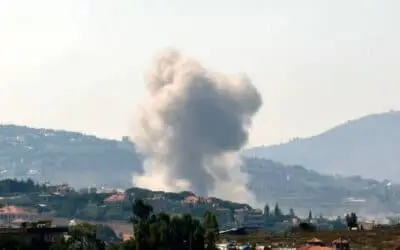
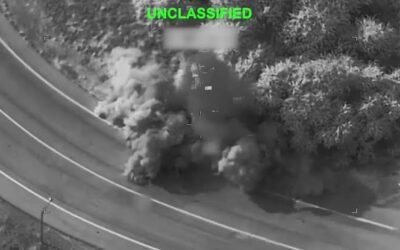
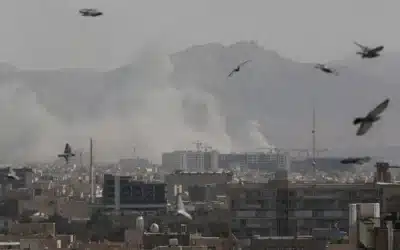
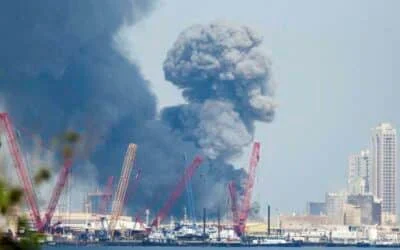
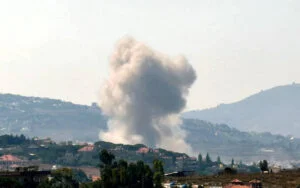
June 2025 marked a historic low point when longstanding covert hostilities between Tehran and Tel Aviv spilled into open confrontation. Israeli military units, backed by Mossad intelligence operations inside Iran, launched coordinated airstrikes and sabotage actions targeting Iranian missile infrastructure and suspected nuclear-related sites deep within Iranian territory. This campaign involved drone strikes and air raids that damaged key missile facilities and disrupted production capacity.
In response, Iran fired hundreds of ballistic missiles and drones toward Israeli territory in mid-June, significantly escalating tensions. Though many of these weapons were intercepted, some caused damage and civilian injuries in Israel. The clashes lasted roughly 12 days and marked the first open exchanges between the two arch-rivals in years. Casualty estimates from this conflict vary. Iranian official data cited several hundred deaths and thousands wounded, while independent monitors reported higher figures.
The June conflict did not produce a clear victor, but it revealed the depth of mutual distrust. Israel demonstrated its capacity and intent to strike critical infrastructure inside Iran, while Tehran showed its willingness to retaliate directly. Both sides survived the exchange without triggering a wider regional war, but the episode shifted strategic calculations in Washington, Riyadh, Ankara, and beyond.
Iran’s Domestic Unrest and Political Fallout
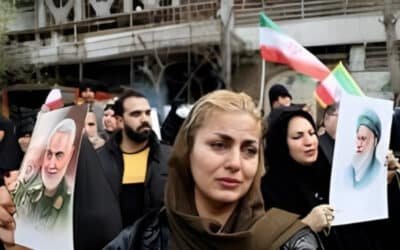
Only months after the June conflict with Israel, Iran found itself confronting perhaps its most serious internal crisis since 1979. Beginning on 28 December 2025, mass protests erupted first in Tehran’s Grand Bazaar, driven by soaring inflation, currency collapse, and deepening economic hardship. The unrest quickly spread to cities across all 31 provinces, encompassing shopkeepers, students, workers, and urban residents.
Iranian authorities responded with a sweeping security crackdown that included shootings, mass arrests, and prolonged internet blackouts aimed at halting communication and coordination among demonstrators. Human rights monitoring groups, such as the Human Rights Activists News Agency (HRANA), reported that the death toll had climbed into the thousands by mid-January. Some estimates documented at least 2,500 fatalities and more than 18,000 arrests, with additional casualties widely suspected amid limited access to independent verification.
The Iranian government has offered lower casualty figures, claiming “hundreds” killed, but has also acknowledged mounting death counts and reported casualties among both protesters and security personnel. These tensions have put the regime under intense internal and international pressure, with the United Nations Security Council holding emergency sessions to urge restraint and accountability.
Trump says Iran has stopped killing protesters: ‘There’s no plan for executions’ https://t.co/gbC1mJzS4w pic.twitter.com/wmOKbTl3jU
— New York Post (@nypost) January 15, 2026
Hardline Rhetoric and Leadership Defensiveness
The domestic crisis reinforced Tehran’s narrative of foreign interference. Supreme Leader Ayatollah Ali Khamenei publicly accused the United States and Israel of fomenting unrest and labelled U.S. President Donald Trump a “criminal” responsible for the bloodshed. Iranian hardliners and clerics echoed these sentiments, seeking to frame the protests as part of a broader geopolitical assault rather than genuine domestic grievances. At least one senior cleric even called for executions of protestors he described as foreign-linked agents, amplifying fears of further repression.
These declarations have made diplomatic engagement more difficult. Tehran insists it will not be bullied by external powers but has also warned that any U.S. military intervention would trigger severe retaliation. This rhetorical escalation is consistent with past patterns in which Iranian leadership has used external threat narratives to constrain internal dissent and rally nationalist sentiment.
U.S. Pressure: Sanctions, Diplomacy, and Military Warnings
Against the backdrop of Iran’s internal strife and its regional ambitions, Washington has maintained a policy of maximum pressure. In January 2026, the U.S. Treasury imposed fresh sanctions targeting financial networks linked to the Iran-backed Houthi movement in Yemen, underscoring concern about Tehran’s support of proxy groups that disrupt global shipping in the Red Sea and threaten allied interests.
You May Like To Read: Iron Ore Prices Rally Despite Weakening Chinese Steel Demand
The White House has repeatedly declared that “all options are on the table” if Iran’s security forces continue to kill protesters and block accountability. U.S. officials have singled out senior Iranian figures involved in crackdowns for sanctions, joining European allies in threatening further punitive measures should violence continue.
President Trump softened his public confrontational tone in January, acknowledging that Iran had halted a large number of planned executions, though critics challenged the administration on evidentiary basis for that claim. Nonetheless, the U.S. posture remains firmly oppositional to Tehran’s political conduct, with strategic alignment continuing to favour Israel and regional partners.
Israel’s Strategic Calculus and Deterrence Policy
Israel’s approach to Iran has been driven by profound concerns over Tehran’s nuclear programme and missile capabilities. Although the 2025 conflict did not result in overt nuclear escalation, it did signal Tel Aviv’s resolve to pre-empt perceived existential threats. Israeli military planners have repeatedly voiced concerns that Iran’s enriched uranium stockpiles and missile production present long-term security risks.
Reconstruction of missile and military infrastructure by Iran since the June clashes suggests Tehran is preparing for possible future engagements, domestically and regionally. Analysts note that while missile production capacity suffered in 2025, Iran is actively repairing damaged sites and advancing its systems’ precision and operational capabilities.
Deterrence remains central to Israel’s strategy; conveying strength to dissuade Tehran from escalation, while best positioning itself to respond swiftly if threatened again. This strategy relies on strong U.S. backing, but also exposes Tel Aviv to risks if Washington seeks to limit direct military engagement.
Regional Realignments and Security Shifts
The interplay between Iran, the U.S., and Israel is reshaping wider Middle Eastern alliances. Gulf Arab states, traditionally reliant on Washington for security guarantees against Tehran, are now navigating a more complex landscape that includes independent dialogues with Iran aimed at crisis management. Riyadh, Abu Dhabi, and Doha have pushed back at times against overt escalatory rhetoric, wary that expanded conflict could destabilise oil markets and economic recovery efforts.
Simultaneously, regional powers are deepening defence cooperation with the U.S. to counter shared security concerns around missile proliferation and militant groups tied to Iran. This alignment demonstrates how the broader crisis is not confined to bilateral U.S.–Iran or Israel–Iran tensions, but has become embedded in a wider network of strategic relationships affecting the Arabian Peninsula and South Asia.
Outlook: Managing Escalation Without War
As 2026 unfolds, the Middle East stands at a precarious crossroads. Direct large-scale war between Iran and either Israel or the United States has so far been averted, yet the risk remains significant. Domestic tremors within Iran, combined with regional proxy activity and diplomatic stand-offs, could trigger unpredictable outcomes.
For Pakistan and other concerned states, the priority is stability. Escalation between nuclear-capable powers would have disruptive effects on energy markets, refugee flows, and international security norms. The emphasis now must be on multilateral diplomacy that reduces incentives for military confrontation, addresses legitimate grievances behind domestic unrest, and prevents the crisis from engulfing neighbouring regions.
Strategic patience, credible security assurances, and renewed effort toward negotiation offer the least destructive path forward. Avoiding false binaries, between confrontation and capitulation, is essential to managing a complex rivalry that spans national sovereignty, regional influence, and global power politics.