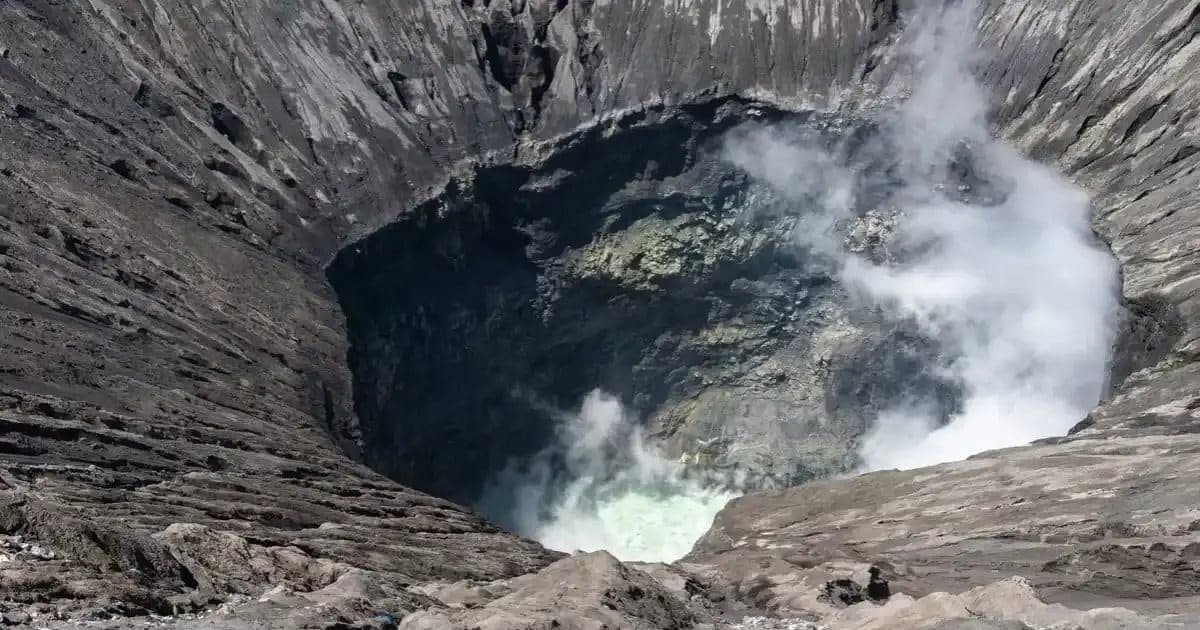





A long-dormant giant may be stirring beneath Iran. Scientists have detected new signs of activity at Mount Taftan, a stratovolcano in southeastern Iran believed to have been extinct for 700,000 years. Recent satellite data shows the ground around the volcano has swelled by about 3.5 inches, and locals in the nearby city of Khash, over 30 miles away, report a strong sulfuric odor.
According to volcanologist Pablo González, who spoke to Live Science, the deformation suggests gas buildup or shallow magma movement beneath the surface. “It was to be released somehow in the future, either violently or more quietly,” González said, stressing that while no immediate eruption threat exists, increased monitoring is crucial.
A volcano in southern Iran thought to have been extinct for some 710,000 years has stirred.
New research published Oct. 7 in the journal Geophysical Research Letters finds that an area of ground near the Taftan volcano’s summit rose 3.5 inches (9 centimeters) over 10 months… pic.twitter.com/W9KkC1ZUdj
— Yahoo News (@YahooNews) October 17, 2025
If Taftan were to erupt, it would mark the Middle East’s first volcanic event in nearly 800 years, the last being in 1256. Researchers now urge Iranian authorities to step up geological and gas monitoring, warning that this “zombie volcano” could shift from dormant to dangerous faster than expected.
You May Like To Read: Losing Teeth Too Fast Could Signal Higher Death Risk, Study Finds