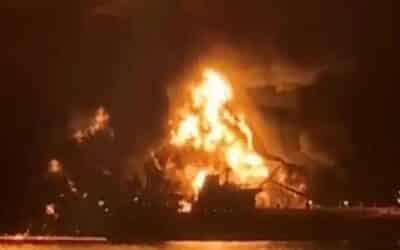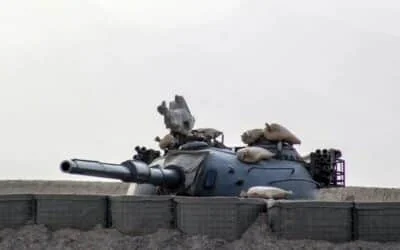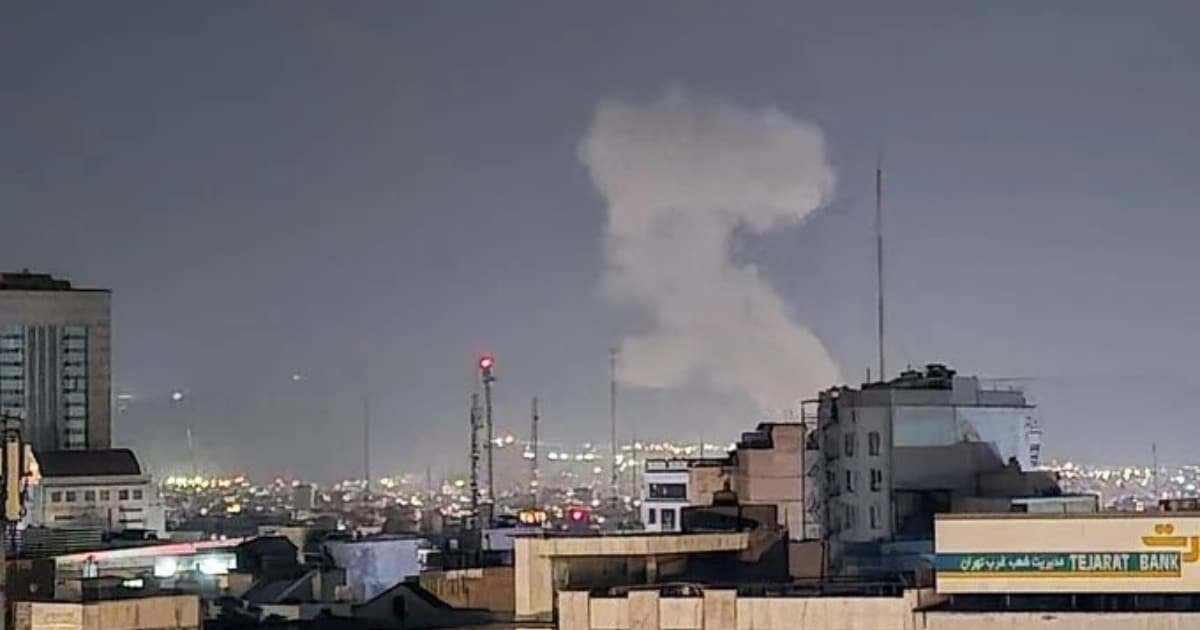





The Israeli military launched a massive new wave of airstrikes across Tehran on Monday, March 23, 2026, even as U.S. President Donald Trump signaled a five-day pause in attacks on Iranian energy infrastructure. While Trump described recent back-channel talks with Tehran as “very good and productive,” the Israel Defense Forces (IDF) maintained that their operations would continue according to “Israeli government directives.” Local correspondents in the Iranian capital described the scale and volume of the explosions as “unprecedented,” targeting military bases, IRGC headquarters, and missile production facilities.
US Reportedly Coordinated with Israel on Unprecedented Strikes of Iranian Gas Fields Amid Energy Market Chaoshttps://t.co/bD5gZFSocy
— Mediaite (@Mediaite) March 18, 2026
Although the IDF indicated it would spare energy sites in alignment with Washington’s temporary pause, the humanitarian toll continues to mount. Human rights groups estimate total fatalities in Iran have surpassed 1,500, with some reports reaching as high as 3,230. In Lebanon, the conflict also escalated as Israeli Finance Minister Bezalel Smotrich called for the formal annexation of southern Lebanon up to the Litani River, signaling a potential expansion of Israel’s borders. Despite the heavy strikes, the IDF claimed a strategic success, reporting that approximately 70% of Iran’s ballistic missile launchers have now been destroyed or disabled since the war began on February 28.
You May Like To Read: Fertilizer Sector Strained as Global Urea Prices Hit $750
Check out our latest video: