




A Point of No Return for PIA
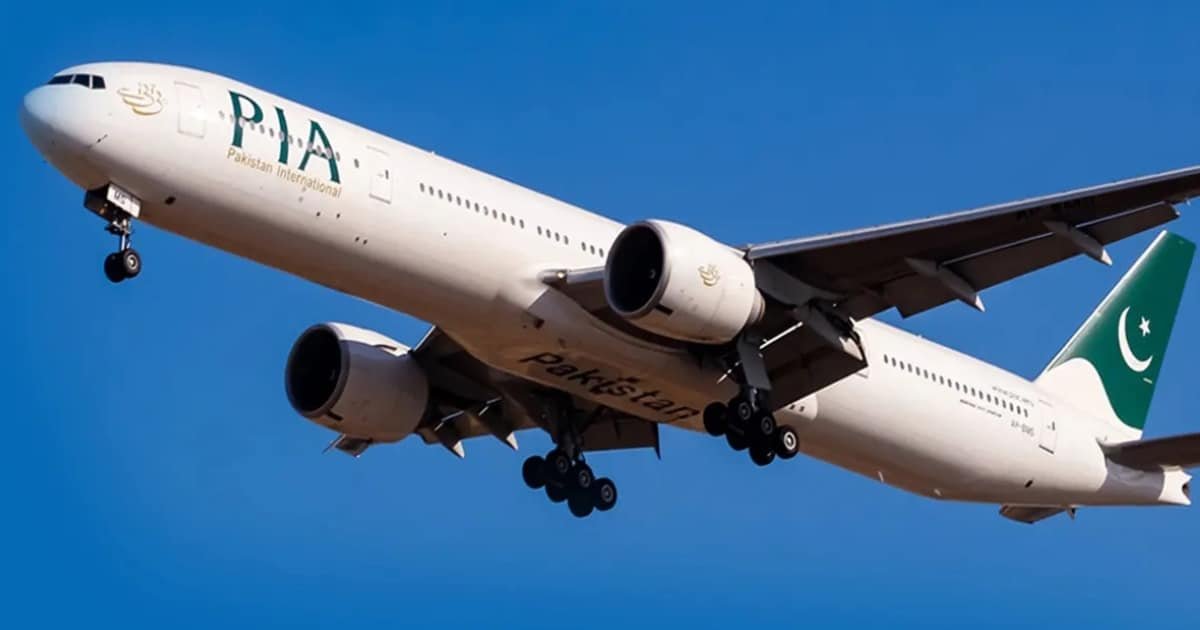
The privatisation of Pakistan International Airlines marks a decisive moment for the country’s aviation sector. While a full economic turnaround for the loss-making carrier is expected to be a long and difficult process, the sale of a majority stake to the Arif Habib Consortium has effectively closed the door on a reversal. For better or worse, PIA’s future will now be shaped by private ownership, not the state.
PIA Privatization: A Game-Changer on the Horizon
The upcoming privatization of Pakistan International Airlines (PIA) — with bidders set to meet on December 23, 2025 — could be a defining moment for Pakistan’s economic reform agenda. If successful, it will be the first major… pic.twitter.com/MxicktQffj
— Mohammed Sohail (@sohailkarachi) December 20, 2025
Government Calls It a Breakthrough
The government has hailed the deal as a major reform success. Officials describe the sale as a long-overdue decision that frees the national exchequer from a chronic financial drain. Under the agreement, a 75% stake in PIA was sold for Rs135 billion through a televised auction, with the government receiving Rs10bn in cash and retaining shares valued at around Rs45bn. The new owners have pledged to inject Rs125bn to rehabilitate and expand the airline.
Public Pride Meets Public Doubt
Despite official optimism, public reaction remains cautious. Many Pakistanis still see PIA as a symbol of national pride, even after years of declining service and shrinking routes. Past privatisation experiences, particularly with utilities like K-Electric, have deepened fears that citizens may not benefit from the sale of national assets. Workers’ unions are especially alarmed, warning of job insecurity, reduced benefits, and tougher working conditions.
Promises of Revival and Competition
Arif Habib, chairman of the acquiring group, has defended the deal as fair and necessary. He says the capital injection will modernise operations, restore grounded aircraft and expand the fleet, creating new jobs and improving service quality. The Competition Commission of Pakistan has also described the privatisation as potentially positive, stressing that real benefits will depend on strong regulation and open competition.
Workers Seek Safeguards
Labour representatives, however, argue they were sidelined. They are demanding legal clarity, job protections, and a generous severance option for employees who may be forced out. Engineers cautiously expect operational improvements but warn that ticket prices are likely to rise.
You May Like To Read: Greenland Tensions Grow as Denmark and Europe Push Back Against US Claims
An Uncertain Flight Path Ahead
Whether PIA emerges stronger or simply more efficient at a higher cost remains to be seen. What is clear is that Pakistan’s flag carrier has entered a new era, one filled with hope, anxiety, and unanswered questions.
Check out our latest video: