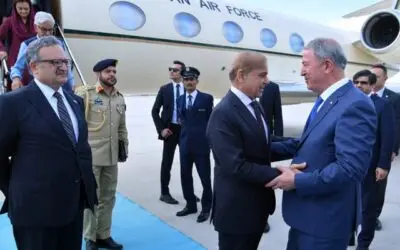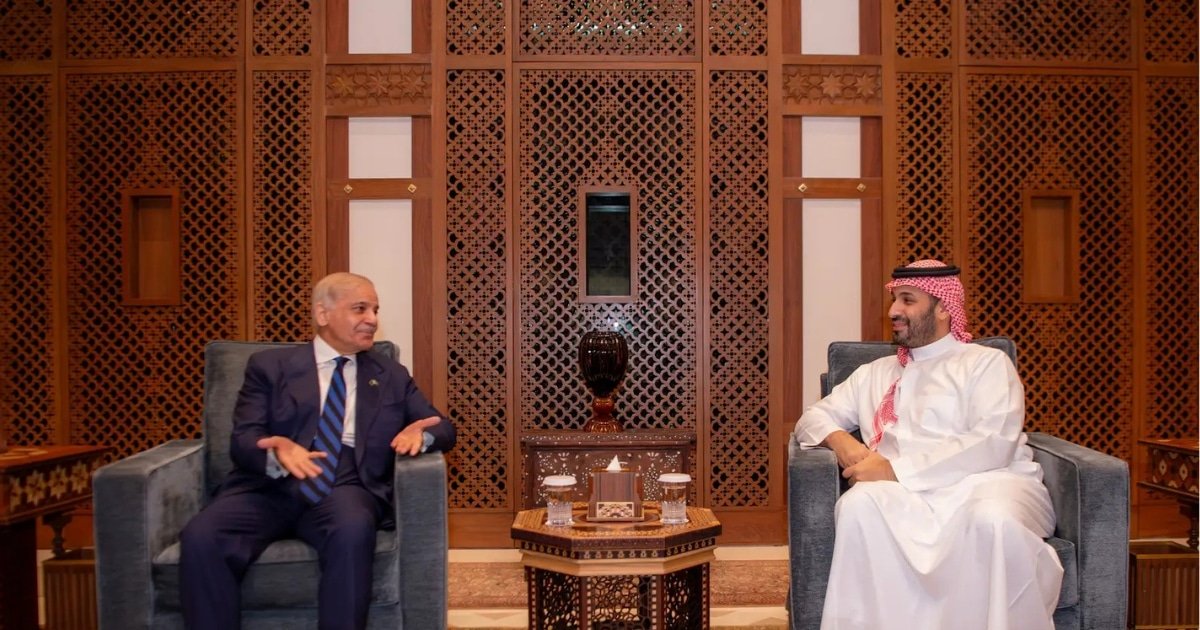





The high-stakes visit of Prime Minister Muhammad Shehbaz Sharif to Jeddah on Thursday marks a pivotal moment in the shifting geopolitics of the Middle East. Held against the backdrop of a widening conflict between the U.S.-Israel alliance and Iran, the “restricted meeting” between the Prime Minister and Saudi Crown Prince Mohammed bin Salman (MBS) underscores a deepening of the Riyadh-Islamabad axis that transcends traditional diplomatic support.
Accompanying the Prime Minister were Deputy PM Ishaq Dar and the Chief of Defence Forces, Field Marshal Asim Munir, signaling that the discussions were equally rooted in financial stability, strategic defense, and regional mediation.
Crown Prince Mohammed bin Salman meets Pakistan’s Prime Minister Muhammad Shehbaz Sharif in Jeddah pic.twitter.com/aJ29r2Pssq
— Saudi Gazette (@Saudi_Gazette) March 12, 2026
1. The Security Paradigm: Beyond “Militarily or Otherwise”
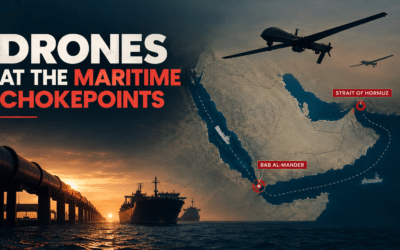
The meeting occurred as Saudi Arabia’s Ministry of Defense confirmed the interception of Iranian drones targeting the Shaybah oil field and central regions. Pakistan’s response has moved from verbal support to operational alignment under the Strategic Mutual Defence Agreement signed in September 2025.
-
Preemptive Presence: The spokesperson for foreign media, Mosharraf Zaidi, clarified that the “if and when” of Pakistani aid is a settled matter, stating Pakistan will be there for the Kingdom “before it is needed.”
-
Neutralizing the Threat: The presence of Field Marshal Asim Munir—who had already visited Riyadh on March 7—suggests that joint measures to halt drone and missile attacks are now being operationalized at the highest command levels.
2. Pakistan as the “Bridge Builder”
While affirming total solidarity with Saudi Arabia, the Foreign Office has positioned Islamabad as a “bridge builder.” This dual-track policy seeks to prevent a “total war” that would devastate regional economies.
-
The Three-Point Mandate: Spokesperson Tahir Andrabi outlined Pakistan’s diplomatic push: respect for territorial integrity, upholding international law, and an immediate return to negotiated resolution.
-
Deterrence Through Diplomacy: Deputy PM Ishaq Dar revealed that Pakistan’s prior interventions have already been successful in deterring “heavier” Iranian strikes, showcasing Islamabad’s unique ability to communicate with Tehran even as it secures Riyadh.
3. Strategic Autonomy and the “Venezuela Path”
The visit also served as a counter-narrative to U.S. President Donald Trump’s assertions that regional states would eventually bow to Washington’s “strength-based peace.” By reinforcing a bilateral mutual defense pact, Pakistan and Saudi Arabia are signaling a preference for regional security architectures over total reliance on external Western interventions.
You May Like To Read: Suspect Arrested After Daylight Shooting at Rihanna’s Beverly Hills Home
Analytical Conclusion
The Jeddah meeting was less about “asking for aid” and more about “pledging protection.” For Pakistan, the stability of Saudi Arabia is a prerequisite for its own economic and energy security. For Saudi Arabia, Pakistan offers a nuclear-armed, battle-hardened military deterrent and a diplomatic channel to Tehran that no other Gulf ally possesses.
“There is no question we might; we will. No matter what, no matter when.” — Mosharraf Zaidi, Spokesperson for Foreign Media
Check out our latest video: