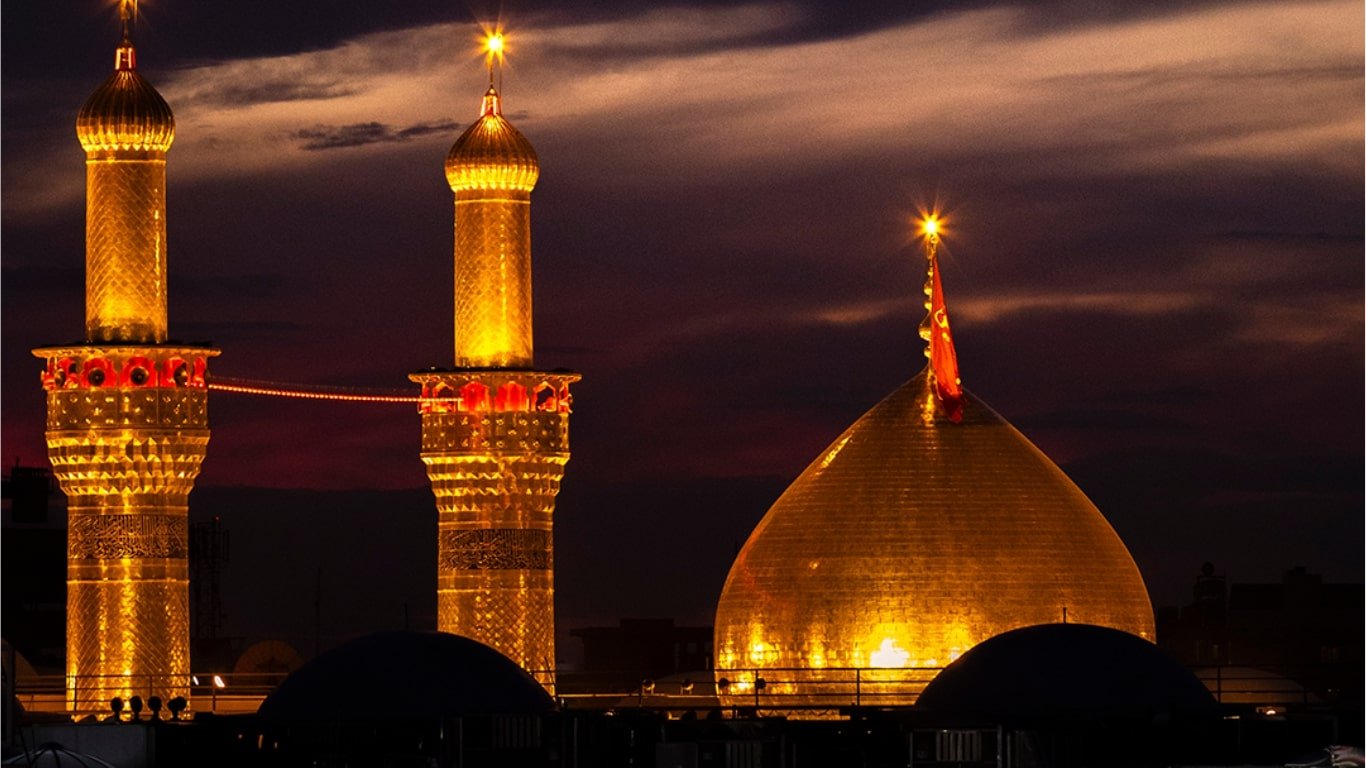





The tragedy of Karbala, an event etched into the heart of Islamic faith, stands as a profoundly religious and spiritual act of sacrifice. Imam Hussain’s (R.A.) martyrdom in 61 AH (680 CE) was not a pursuit of worldly power, nor did political ambition drive it. It was a sublime act of devotion, a stand for divine truth against moral corruption, and a preservation of Islamic principles. Yet, in contemporary times, this sacred legacy is often distorted, politicised by various groups—particularly political militant organisations—to garner support for agendas far removed from its pristine essence.
At its core, Karbala was a religious confrontation. Imam Hussain (R.A.), the grandson of Prophet Muhammad (P.B.U.H), embarked on his journey to uphold God’s will, to challenge the pervasive injustice of Yazid’s rule, and to revive the true spirit of Islam. His actions were a testament to unwavering faith, choosing death with dignity over a life of compromise that would have legitimised tyranny.
Imam Hussain’s (R.A.) ultimate sacrifice was for the integrity of his faith and the welfare of humanity, entirely devoid of any personal or worldly aspirations for power, wealth, or earthly dominion. It was a pure act of submission to divine decree and an ultimate stand for justice.
The politicisation of this profoundly spiritual event for contemporary struggles, especially by militant groups, constitutes a grave distortion. Political parties often engage in this disturbing trend. They strategically invoke the emotive themes of Karbala and the sacrifice of Imam Husayn (R.A.) to garner public sympathy, rally support for their inherently political agendas, and even legitimise often violent campaigns.
This amounts to a profound hypocrisy and a deeply manipulative allusion to a sacred religious event. By cloaking their worldly power struggles and partisan conflicts in the revered mantle of Karbala, they not only harm its legacy and pure essence but also exploit the deep spiritual reverence of millions for cynical partisan gain, blurring the lines between divine principle and mundane political manoeuvring.
When Karbala is invoked to justify violence, hatred, territorial or political ambitions it is an attempt cloak their political and worldly goals—be it power, revenge, or control—in the revered mantle of Karbala, manipulating its symbolism to legitimize actions that are intrinsically opposed to Imam Hussain’s (R.A.) message of compassion, justice, and ethical conduct.
This misappropriation not only disrespects the purity of Imam Hussain’s (R.A.) sacrifice but also deeply discredits Islam itself. It paints a false picture of a faith that champions peace and justice as one that condones violence and coercion.
To truly honour Karbala is to uphold its lessons of principled resistance against oppression through moral steadfastness, not through worldly aggression or acts that harm the innocent. Preserving Karbala’s sanctity means safeguarding its spiritual integrity, ensuring its message remains a beacon of divine truth, untainted by the transient and often destructive ambitions of worldly politics.