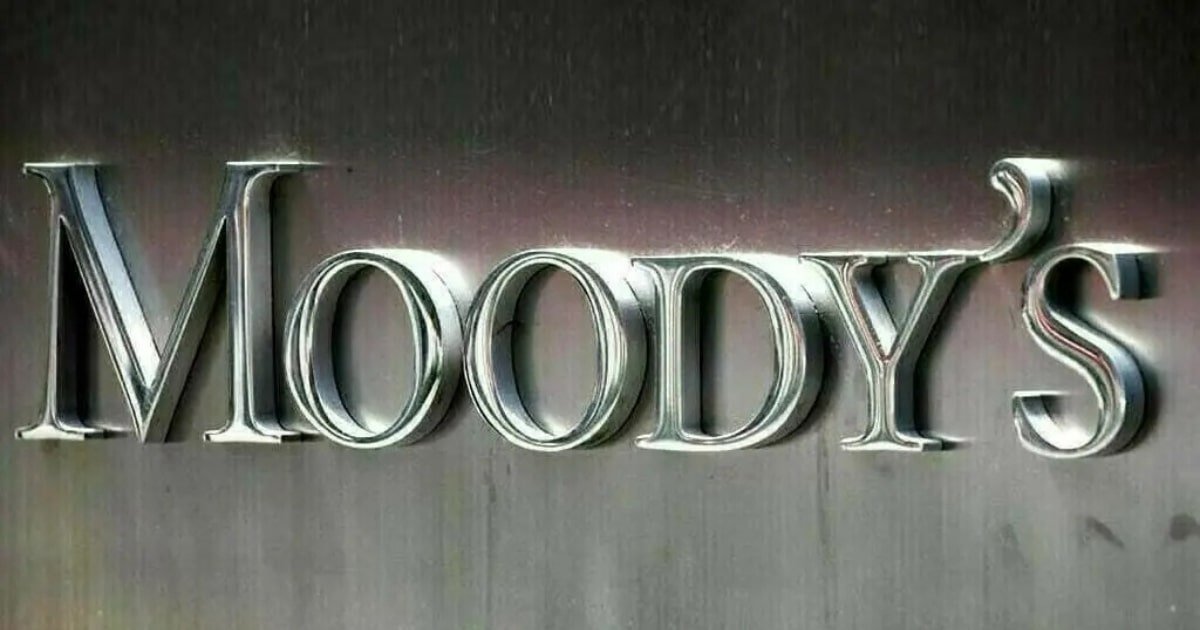





Moody’s Investors Service has officially revised the outlook for Pakistan’s banking system from “Positive” to “Stable.” The shift reflects a balancing act between a strengthening macroeconomic environment and persistent structural challenges within the financial sector.
Moody’s Investors Service on Monday revised Pakistan’s banking sector outlook to stable from positive, citing a slow but steady economic recovery and improvements in the
Read More: https://t.co/eoMcJM7XdW pic.twitter.com/SipuGfrNyc
— ProPakistani (@ProPakistaniPK) February 9, 2026
Economic Recovery and Fiscal Stability
The revision comes as Pakistan demonstrates a gradual fiscal and external recovery. Moody’s forecasts Pakistan’s real GDP growth to accelerate to 3.5% in 2026, up from 3.1% in 2025. This growth is underpinned by ongoing structural reforms that have bolstered investor confidence and stabilized economic activity.
A significant driver of this outlook is the cooling of inflation. Headline inflation, which plummeted to 4.5% in 2025 from a staggering 23% in 2024, is expected to settle around 7.5% in 2026. This disinflationary trend has allowed for an easing of monetary policy, lowering borrowing costs for businesses and consumers alike.
Banking Sector Performance and Capital Buffers
Despite the transition to a stable outlook, Moody’s notes that banks will face asset quality and profitability hurdles over the next 12–18 months. Key highlights from the report include:
- Credit Demand: Lower interest rates are expected to spark double-digit credit growth in 2026.
- Capital Strength: The system remains well-capitalized, with Tier 1 and total capital ratios standing at 18% and 22.1% respectively as of September 2025, significantly above regulatory minimums.
- Government Exposure: The sector’s outlook remains closely linked to the Government of Pakistan (Caa1 stable), as government securities account for approximately half of total banking assets.
- Asset Quality: While non-performing loan (NPL) ratios spiked in early 2025 due to ADR tax adjustments, Moody’s expects problem loan ratios to remain stable at approximately 8% for rated banks.
Risks and Challenges
While the industrial and services sectors remain robust, Moody’s cautioned that recent flooding may impact agricultural output. Furthermore, long-term debt sustainability remains a concern due to a weak fiscal position and external vulnerability risks.
“Lower borrowing costs will boost credit demand and keep problem loan ratios broadly unchanged,” Moody’s stated. “Higher business volumes and stable costs will support profits and safeguard capital buffers even as margins face slight compression.”
You May Like To Read: Iran Declares Uranium Enrichment Rights ‘Non-Negotiable’ for Diplomacy
Looking Ahead
The banking sector is poised to maintain high dividend payouts, as retained earnings are projected to be sufficient to fund balance sheet growth. As the economy moves toward 2026, the focus remains on maintaining the momentum of reforms to mitigate external risks.
Check out our latest video: