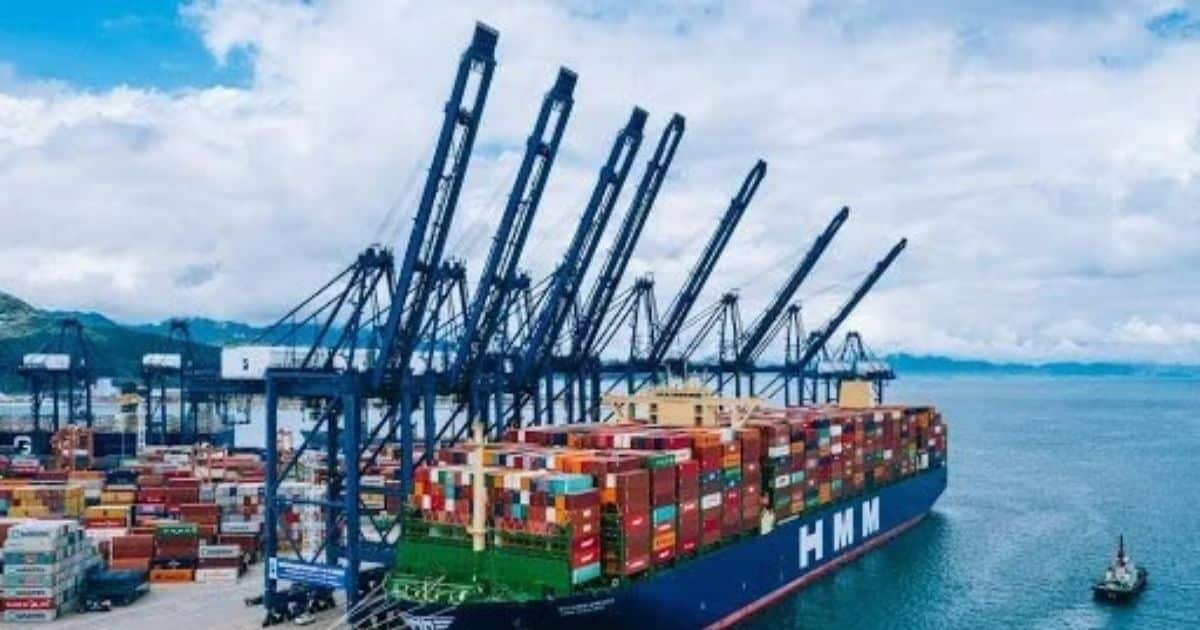





In the 21st century, maritime chokepoints have become the true arbiters of global trade. Ports and shipping lanes, often dismissed as technical infrastructure, now sit at the heart of international power struggles. From the Panama Canal in the Americas to the Strait of Malacca in Southeast Asia, and from the Suez Canal in the Middle East to the contested waters of the Red Sea, disruptions in these arteries can reverberate through global supply chains, inflate commodity prices, and redefine strategic alliances.
While trade volumes and manufacturing hubs attract attention, it is the narrow straits and artificial canals that increasingly dictate the rhythm of globalization. These chokepoints are not only economic lifelines but also sites of geopolitical competition where naval strategy, technological modernization, and political instability intersect.
The Panama Canal: A U.S.-China Tug of War
The Panama Canal, completed in 1914, has long been a strategic prize. It connects the Atlantic and Pacific Oceans, reducing shipping times dramatically. Today, roughly 6% of global trade flows through the canal. However, droughts in recent years have forced the Panamanian authorities to impose restrictions on vessel transits, slowing trade and sparking concerns about climate change’s impact on strategic infrastructure.
Beyond environmental pressures, the Panama Canal has become entangled in great-power rivalry. The United States historically viewed it as a pillar of its hemispheric dominance. Yet, Chinese firms have invested heavily in Panamanian ports and logistics hubs, raising questions about whether Beijing is seeking a strategic foothold in the Western Hemisphere. Panama’s decision earlier this year to scale back Belt and Road Initiative (BRI) agreements highlighted the delicate balance smaller states must strike when managing such strategic assets.
The Strait of Malacca: Asia’s Energy Lifeline
Few chokepoints are as vital as the Strait of Malacca, a narrow 900-kilometer stretch between Malaysia, Singapore, and Indonesia. Carrying nearly one-third of the world’s seaborne trade and 80% of China’s energy imports, it is often called Beijing’s “Malacca Dilemma.”
For China, reliance on the strait exposes it to potential U.S. or allied blockades in the event of a conflict. This vulnerability has driven Beijing to diversify through pipelines in Myanmar, investments in Gwadar and Hambantota, and Arctic shipping routes. Meanwhile, the U.S. Navy and allied forces regularly patrol the waters, underscoring its importance as a pressure point in Indo-Pacific strategy.
The Strait of Malacca also highlights the central role of Southeast Asian states as gatekeepers of global commerce. For Singapore and Malaysia, control of shipping lanes translates into economic rents and diplomatic leverage, making the strait a true pivot of regional politics.
The Suez Canal: Symbol of Interdependence and Fragility
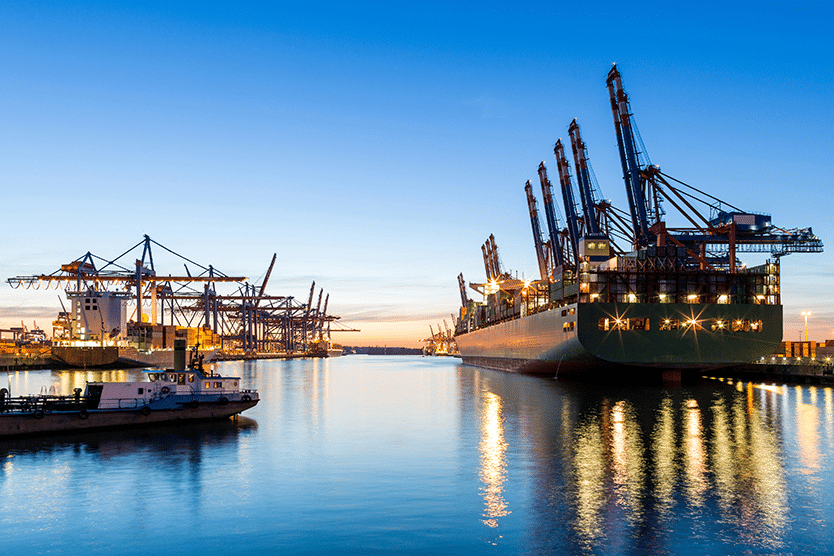
The Suez Canal, opened in 1869, remains one of the most symbolic and strategic waterways in the world. Connecting the Mediterranean to the Red Sea, it facilitates nearly 12% of global trade. Its importance was underscored in March 2021, when the container ship Ever Given ran aground, blocking the canal for six days. The disruption stranded billions of dollars of goods and revealed just how vulnerable global supply chains are to bottlenecks at single points of failure.
Egypt has since expanded and modernized the canal, but geopolitical risks remain. Any escalation in the Israel–Palestine conflict, instability in Egypt, or external attacks on maritime infrastructure could once again disrupt this artery. Moreover, as European states reduce reliance on Russian pipelines, the canal’s role in energy transport has grown, making it even more central to the politics of energy security.
The Red Sea: A Hotspot of Contemporary Disruption
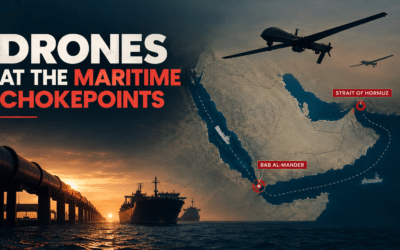
If the Suez Canal symbolizes interdependence, the Red Sea exemplifies fragility. Over the past year, attacks on commercial shipping by Yemen’s Houthi movement have highlighted the vulnerability of vessels passing through the Bab el-Mandeb Strait—a narrow channel that links the Red Sea to the Gulf of Aden.
These disruptions forced major shipping companies to reroute vessels around the Cape of Good Hope, adding weeks to transit times and raising freight costs. The crisis also drew international naval deployments, with the U.S., European, and regional powers engaging in joint patrols. For oil-exporting states like Saudi Arabia and exporters of manufactured goods like China, the Red Sea’s insecurity underscores the risks of relying on concentrated maritime corridors.
You May Like To Read: Cybercrime as Proxy Warfare: How States Blur the Line Between Criminality and Statecraft
The Geopolitics of Chokepoints
Taken together, Panama, Malacca, Suez, and the Red Sea illustrate a central truth of 21st-century globalization: the geography of trade is being redefined not by factories or consumers but by maritime corridors. These chokepoints are simultaneously economic arteries and strategic levers. States that control, influence, or secure them wield disproportionate power over the global economy.
For creditor states like China, investing in ports and maritime infrastructure is both a commercial necessity and a geopolitical strategy. For the United States, ensuring freedom of navigation in chokepoints like Malacca and the Red Sea is part of maintaining global leadership. For smaller states, from Panama to Singapore, chokepoints represent both opportunity and vulnerability: they are sources of revenue and prestige but also magnets for great-power competition.
Climate, Technology, and the Future of Port Politics
The politics of chokepoints are also shaped by climate change and technological adaptation. Rising sea levels and droughts already affect the Panama Canal. Extreme weather events could periodically disrupt Malacca or the Suez. Meanwhile, technological innovations like Arctic shipping routes or autonomous vessels may alter chokepoint dependency, but such alternatives remain distant.
For now, the world’s reliance on a handful of narrow straits and artificial canals is unlikely to diminish. Instead, the politics of chokepoints will intensify, with states competing to secure access, influence local governments, and project naval power into these maritime bottlenecks.
The 21st century may be remembered not only for digital revolutions and shifting manufacturing hubs but also for the politics of ports and chokepoints. In an era defined by fragile supply chains and intensifying geopolitical rivalries, control of maritime arteries like Panama, Malacca, Suez, and the Red Sea has become as valuable as traditional military bases or energy reserves.
Port politics are no longer peripheral—they are central to the future of globalization. For policymakers, the challenge is twofold: to protect these chokepoints against disruption, and to navigate the geopolitical storms they attract. For businesses and consumers, the lesson is sobering: a single ship stuck in the wrong canal, or a militia attack on the wrong strait, can redraw the map of global trade overnight.
You May Like To Read: UN Pushes for Renewed Talks on Western Sahara Autonomy Plan