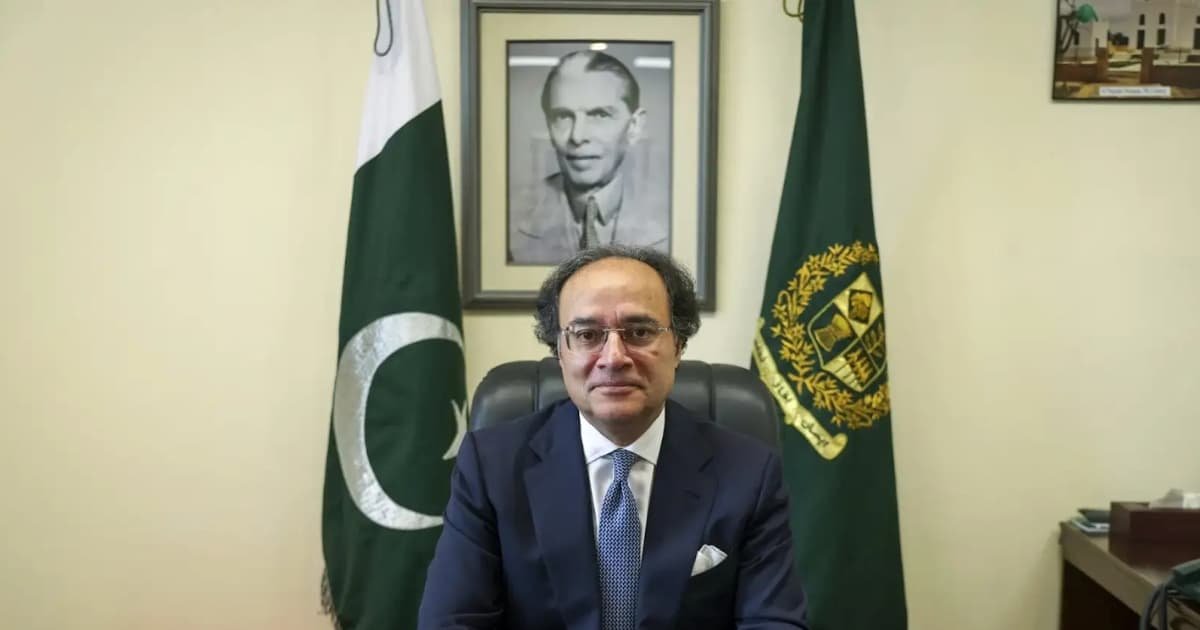




Finance Minister Muhammad Aurangzeb formally announced a comprehensive energy conservation strategy on Wednesday to mitigate the impact of the regional conflict on Pakistan’s fuel imports. Speaking before the Senate Standing Committee on Finance, the Minister underscored that while the country possesses sufficient fuel reserves for the immediate future, “self-discipline” and strategic demand curtailment are now essential.
The Conservation Toolkit: Remote Learning and Weekly Pricing
To stabilize the energy sector without resorting to rationing, the government is considering several high-impact measures:
-
Remote Learning: A proposal to shift all higher education institutions to remote learning is under review to significantly reduce the national daily fuel consumption.
-
Weekly Price Reviews: The current fortnightly fuel pricing system may be abolished in favor of a weekly mechanism to align domestic rates with the volatile international market and discourage hoarding by dealers.
-
Real-Time Monitoring: Prime Minister Shehbaz Sharif has empowered a dedicated “Petrol Committee” to make hourly decisions as the regional security situation evolves.
Current National Stock Status
Minister Aurangzeb provided a transparent breakdown of Pakistan’s current energy reserves to prevent public panic:
-
Petrol and Diesel: 28 days of supply.
-
LPG: 15 days of domestic requirement.
-
Crude Oil: 10 days of reserves.
-
LNG Update: The Minister confirmed that several LNG cargoes from Qatar are currently “stuck up” due to shipping disruptions, with the government exploring alternate routes to bypass the Strait of Hormuz.
Bypassing the Strait of Hormuz
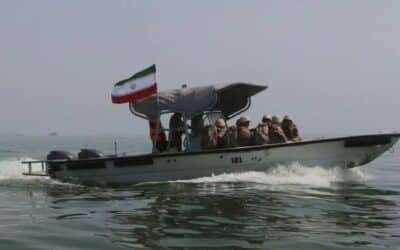
The Finance Ministry confirmed that Pakistan is in active diplomatic and commercial engagement with Saudi Arabia and the UAE to secure additional supplies through Red Sea ports. This diversification is intended to bypass the volatile Strait of Hormuz, where international uncertainties continue to threaten global energy trade.
Saudi Arabia has pledged to maintain crude oil shipments to Pakistan through the Port of Yanbu on the Red Sea despite ongoing regional tensions and disruptions in the Strait of Hormuz, offering an alternative route to secure energy supplies.
The assurance came during talks… pic.twitter.com/U6y0oGGXHI
— Fetch Pakistan (@FetchPakistan) March 4, 2026
Governance and Legislative Reforms
Beyond energy, the Standing Committee approved amendments to the SECP Act, aimed at curbing “abuse of power” within the Securities and Exchange Commission of Pakistan. Despite resistance from the Finance Minister regarding institutional autonomy, the committee voted to increase government representation on the SECP policy board to ensure greater accountability and oversight.
You May Like To Read: Trump Defeats Senate War Powers Challenge as Iran Conflict Escalates
Check out our latest video