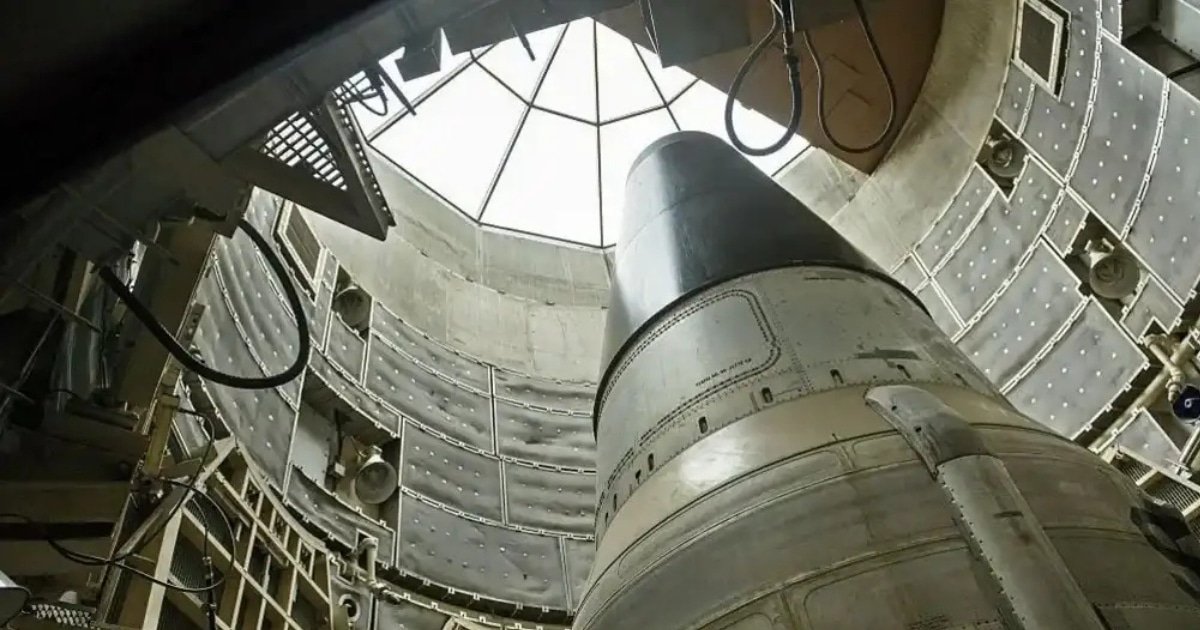





The world stands at a historic nuclear crossroads. Tomorrow, February 5, the New START Treaty, the final remaining guardrail limiting the world’s two largest nuclear arsenals, will officially expire. For the first time in over 50 years, there will be no legally binding caps on the number of strategic nuclear warheads the United States and Russia can deploy. While the treaty originally limited both sides to 1,550 warheads, its lapse removes the mutual monitoring and inspection systems that have prevented a blind arms race since the Cold War.
You May Like To Read: Security Surge: Pakistan Deploys Airpower to End Deadly Balochistan Standoff
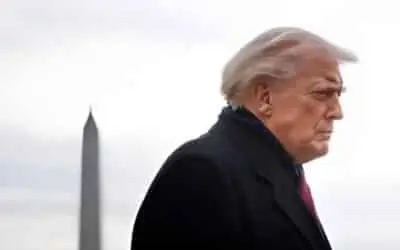
The path to this expiration has been marked by geopolitical friction. Despite a high-stakes summit in Alaska in August 2025, President Donald Trump and President Vladimir Putin failed to reach a formal extension. While Putin proposed a one-year “informal” extension in September to buy time for talks, the Trump administration has remained noncommittal. Trump told the New York Times last month, “If it expires, it expires… We’ll just do a better agreement,” emphasizing his desire for any future pact to include China, which is on track to field 1,000 warheads by 2030.
New START, the last remaining arms control treaty capping U.S. and Russian nuclear arsenals, expires on February 5. pic.twitter.com/GHw9P7oU0n
— NTI (@NTI_WMD) February 3, 2026
From the Vatican, Pope Leo XIV issued a final, urgent appeal on Wednesday, calling the current situation a “logic of fear” and urging leaders to prevent a “catastrophic unravelling” of global security. With Russia having suspended inspections in 2023 due to the Ukraine war and the U.S. now pivoting toward a “Homeland First” defense strategy, analysts warn that the next decade could see a rapid, unmonitored buildup of hypersonic and autonomous nuclear weapons.
Check out our latest video: