




A New Chapter in a Storied Relationship
In December 2025, the United Kingdom moved swiftly to appoint a new ambassador to Washington, D.C., after a dramatic and politically charged departure of the previous envoy. Christian Turner, a seasoned and respected British diplomat, has been named the new British ambassador to the United States, stepping into one of London’s most important foreign posts at a time of strain and strategic realignment in Western diplomacy. His appointment comes after Peter Mandelson, a high‑profile political figure from the UK’s Labour Party, was dismissed from the role in September amid controversy over undisclosed personal links to convicted sex offender Jeffrey Epstein.
The Fall of a Political Envoy
Peter Mandelson’s tenure as ambassador began in early 2025, when UK Prime Minister Sir Keir Starmer nominated him to deepen economic and strategic ties with the United States. Mandelson’s career included senior roles in British politics and experience with trade and economic policy, and his appointment was initially seen as a bold political statement from London. The aim was to leverage his stature to push forward a stronger UK‑US economic partnership, including negotiations on trade and emerging technologies.
However, revelations that Mandelson had maintained a close friendship with Epstein, and that he had not fully disclosed aspects of this relationship during vetting and after appointment, triggered a diplomatic crisis. The UK government concluded that these undisclosed links posed a reputational risk for London’s credibility in Washington and beyond, leading to his dismissal. The situation was not only a domestic embarrassment for the Starmer government but also introduced uncertainty into the UK’s diplomatic footing at a sensitive time.
Why Christian Turner Matters
Christian Turner’s appointment signals a return to professional diplomacy at a moment when political appointments risk fracturing allied unity. Turner has nearly three decades of experience in British foreign service, having previously served as political director at the Foreign Office, High Commissioner to Pakistan, and was briefly assigned to be ambassador to the United Nations before his new Washington role. Such a background provides him with deep institutional knowledge and credibility among foreign service professionals on both sides of the Atlantic.
For the United States, the choice of a seasoned career diplomat is likely to be welcomed, especially in an era of unpredictable policy swings from the Trump administration. Relations between London and Washington have been tested on several fronts, from disagreements over trade negotiations to differing priorities on global security issues such as the conflict in Ukraine. Turner’s task will be to rebuild trust, manage differences without letting them become divisions, and ensure the “special relationship” remains robust.
As tensions with Washington mount, Christian Turner must fight to preserve the alliance his predecessors took for granted ⬇️https://t.co/RlAAODlzIK pic.twitter.com/HH44X3OuSE
— Telegraph US (@TelegraphUS) December 19, 2025
Trade, and Economic Ties Under Pressure
One of the most significant test cases for UK‑US relations is economic cooperation and trade. For years after Brexit, the two countries discussed a bilateral trade agreement aimed at lowering tariffs, boosting services cooperation, and aligning regulatory standards. The proposed UK‑US Free Trade Agreement (FTA) remains under negotiation, with both sides balancing domestic priorities and international pressures.
In late 2025, tensions surfaced when the United States temporarily suspended its “technology prosperity deal” with the UK. This pact, designed to foster collaboration in key cutting‑edge technologies such as artificial intelligence, quantum computing and nuclear energy, reportedly stalled due to disagreements over regulatory alignment and non‑tariff barriers in sectors such as food and industrial goods. Although discussions continued, the pause highlighted how even longstanding allies can find their economic interests misaligned in a volatile global environment.
You May Like To Read: U.S. Central Command Launches “Operation Hawkeye Strike” Against ISIS Infrastructure in Syria
For Pakistan and other emerging economies, the UK‑US economic partnership matters because trade between the two Western powers influences global markets, standards, and investment flows. A solid and cooperative transatlantic economic policy can help stabilize supply chains and provide opportunities for third‑country exporters. Conversely, a fracturing of this unity could encourage trade diversion or create pressure for countries to choose sides in tech and industrial policy.
Security Alignments and Intelligence Cooperation
Security cooperation remains another crucial pillar of the UK‑US relationship. From collective actions in NATO to shared objectives on counter‑terrorism and global stability, the two countries coordinate closely. Any perception that this alliance is weakening invites strategic competitors to exploit the gap. The so‑called “Five Eyes” intelligence alliance, which includes the US, UK, Canada, Australia, and New Zealand, has sometimes been subject to speculation about its cohesion, especially amid leadership changes and evolving threat landscapes. While the core commitment remains intact, the evolving policy priorities in Washington and London require careful nurturing by diplomats like Ambassador Turner to ensure that intelligence sharing and joint operations stay effective.
For Pakistan, a stable transatlantic security partnership can mean more reliable cooperation in global counter‑terrorism initiatives, cybersecurity, and regional stability initiatives in South Asia and the Middle East.
China Policy: A Balancing Act
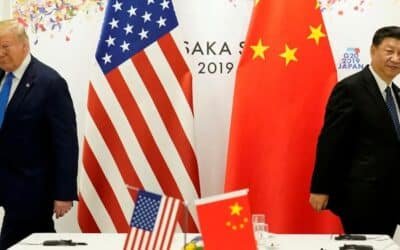
One of the most delicate aspects of Western unity lies in policy toward China. Both the UK and the United States have expressed concern about China’s rise, particularly in areas such as technology, economic influence, and military power. Former ambassador Mandelson himself warned about the need for closer cooperation with the United States on advanced technologies to “counter the clear shared threat” China poses in global tech competition, calling it a challenge that could surpass those of past superpower rivalries.
Yet London and Washington do not always see eye‑to‑eye on every approach. The UK has sought a balanced approach that combines cooperation where possible with caution on issues of national security, for example, in negotiations over foreign investment screening and digital standards. Recent talks between UK and Chinese officials in Beijing emphasized communication and pragmatic engagement.
For Western unity on China policy to hold, diplomats must navigate these nuanced positions without reducing the alliance to a simple bloc opposing Beijing. Keeping channels open, agreeing where strategic interests align, and acknowledging where disagreements exist will be part of Ambassador Turner’s portfolio in Washington.
You May Like To Read: U.S. Department of Justice Releases Thousands of Redacted Epstein Documents Amid Congressional Pressure
Concluding: The Road Ahead for Western Unity
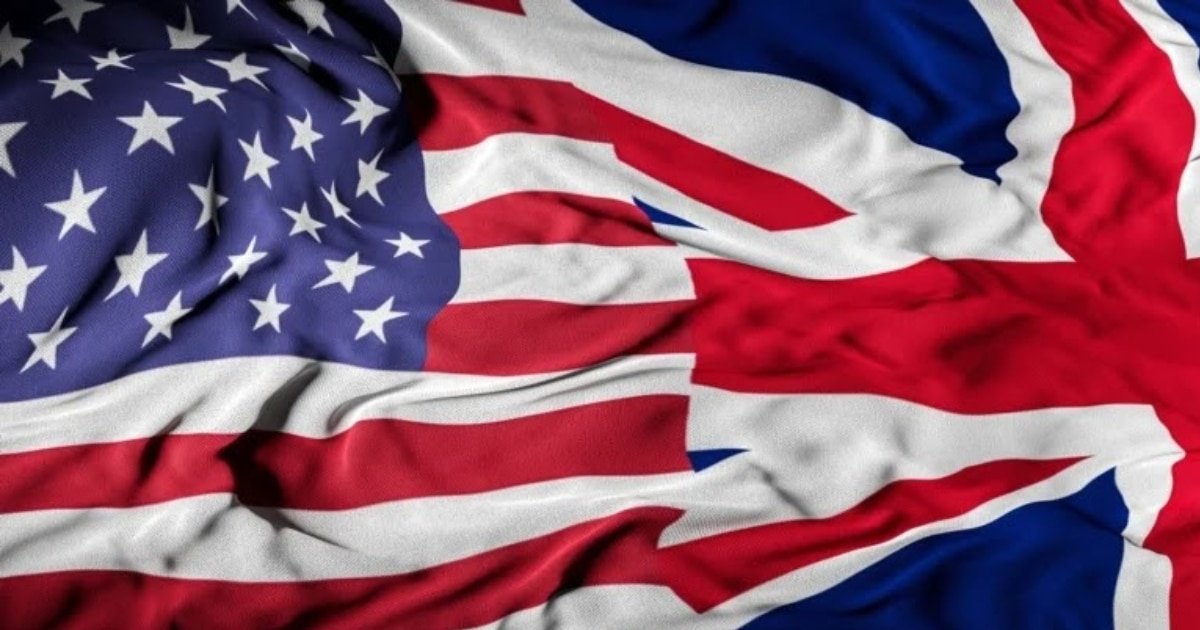
The UK’s rapid appointment of Christian Turner after the Mandelson controversy represents more than a personnel change, it reflects London’s intent to stabilise a key alliance at a time of global stress. The UK‑US relationship still rests on shared democratic values, mutual economic interests, and deep historical ties. Yet the reality of modern geopolitics, from trade competition to security challenges and China’s growing global footprint, requires diplomatic finesse and steadfast cooperation.
For countries like Pakistan, understanding these shifts in Western unity is important. The direction taken by these global powers will shape regional security equations, trade flows, and the broader rules‑based order in which middle powers operate. Navigating these currents effectively demands clear communication, pragmatic engagement, and a keen eye on how global alignments evolve in the years to come.
Check out our latest video: