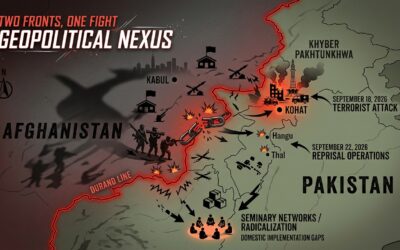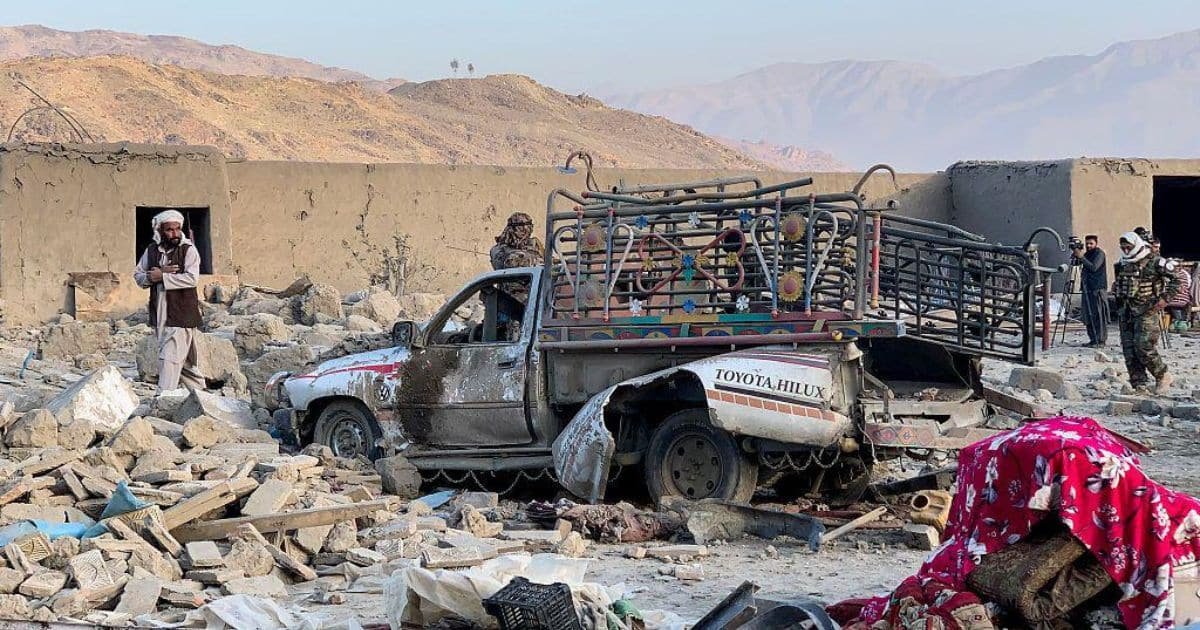





On February 22, 2026, the Pakistan Air Force conducted multiple overnight “intelligence-based” air strikes on seven alleged militant hideouts in Afghanistan’s Nangarhar and Paktika provinces. The Ministry of Information described the operation as a direct response to a surge in suicide bombings, including a recent attack on a Shia mosque in Islamabad and several Ramadan-related bombings in Khyber Pakhtunkhwa. Pakistan maintains it has “conclusive evidence” that these attacks were orchestrated by the Tehreek-i-Taliban Pakistan (TTP) and IS-K from Afghan soil.
#Pakistan says it launched strikes on militant targets in #Afghanistan after blaming recent suicide bombings, including assaults during the Muslim holy month of Ramadan, on fighters it says were operating from its neighbor’s territory.https://t.co/ZwfxcYeJvU
— Al Arabiya English (@AlArabiya_Eng) February 22, 2026
The Taliban’s Ministry of Defense has vehemently condemned the strikes, reporting that at least 18 civilians, including women and children, were killed. In one devastating account from Girdi Kas village, a local resident reported that 18 members of his family perished when their home was destroyed. Afghan officials characterized the strikes as a “blatant violation of territorial integrity” and international law, warning of a “measured response” at a suitable time.
This escalation shatters the fragile ceasefire mediated by Saudi Arabia in October 2025. While the two nations share a 1,600-mile border, relations have plummeted as Pakistan accuses Kabul of sheltering terrorists, while the Taliban accuses Pakistan’s military of failing in its own domestic security. This latest flare-up comes just days after the Saudi-mediated release of three Pakistani soldiers, signaling a collapse in recent diplomatic progress.
You May Like To Read: