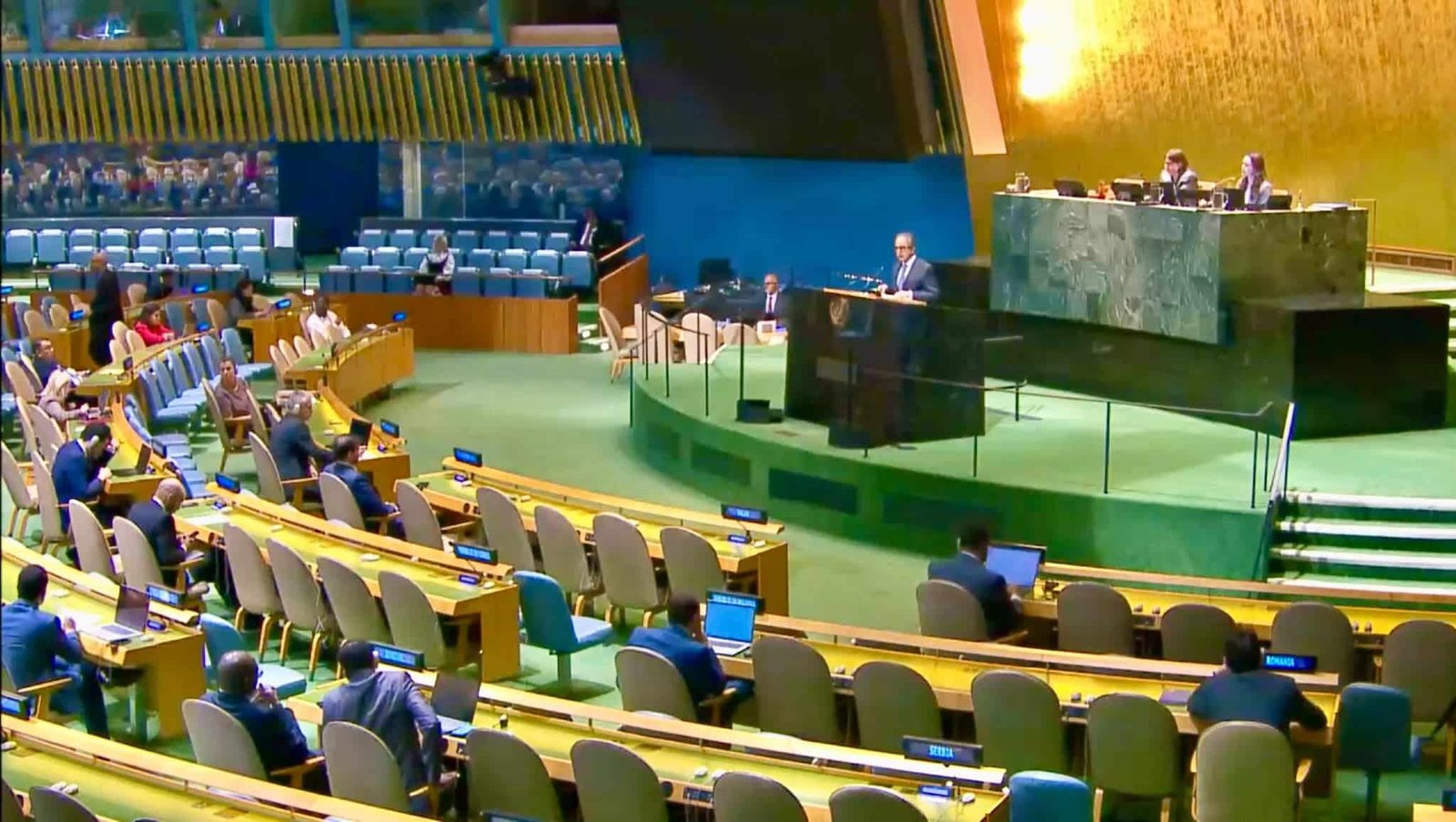



In a dual appearance before the UN General Assembly and the UN Security Council on Monday, Pakistan issued a powerful appeal to the international community, demanding a systemic shift from reactionary crisis management to proactive, legally anchored preventive diplomacy.
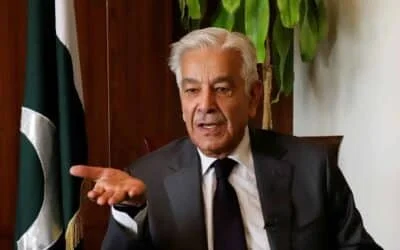
Ambassador Asim Iftikhar Ahmad, Pakistan’s Permanent Representative to the United Nations, positioned Islamabad as a critical diplomatic bridge in the escalating Middle East crisis. He revealed that Pakistan is actively leveraging its unique geopolitical position—as a friendly neighbor to Iran, a brotherly partner to the Gulf states, and a long-standing ally of the United States—to broker a durable solution and restore regional stability.
“Conflicts are not inevitable. They are often the result of diplomacy delayed, dialogue denied, and disputes left to fester,” Ambassador Ahmad told the General Assembly. “The first responsibility of the United Nations is not merely to respond to conflicts after they erupt, but to prevent them before they consume lives, regions, and generations.”
Later in the day, during an emergency Security Council session on the Ukraine war convened at Romania’s request, Ambassador Ahmad warned that protracted conflicts inherently generate devastating global spillover effects and escalate the risk of dangerous miscalculations. Reaffirming Islamabad’s stance against pure military solutions, he explicitly called for the urgent resumption of the U.S.-facilitated dialogue process as the only credible path toward lasting peace in Europe.
Remarks by Ambassador Asim Iftikhar Ahmad,
Permanent Representative of Pakistan to the UN,
During the General Debate on Agenda Item 31(b): Strengthening the Role of Mediation in the Peaceful Settlement of Disputes, Conflict Prevention and Resolution
(1st June 2026)
**********… pic.twitter.com/cdNXJo6jSL— Permanent Mission of Pakistan to the UN (@PakistanUN_NY) June 1, 2026
Critical Analysis
Ambassador Ahmad’s back-to-back addresses reveal a highly coordinated Pakistani foreign policy push to reshape international conflict intervention. A critical breakdown of Pakistan’s diplomatic strategy highlights several key insights:
Codifying Chapter VI: The Legacy of UN Resolution 2788
A central pillar of Pakistan’s argument rests on UN Security Council Resolution 2788, which was drafted on Pakistan’s initiative and adopted unanimously in July 2025.
| Strategic Framework | Core Operational Focus |
| UN Charter Chapter VI (Resolution 2788) | Preventive Diplomacy: Mediation, early-warning indicators, quiet diplomacy, and the Secretary-General’s good offices before kinetic escalation. |
| Traditional UN Approach | Crisis Management: Peacekeeping deployment, economic sanctions, and post-facto ceasefires after violence breaks out. |
By continually anchoring its rhetoric in Resolution 2788, Islamabad is attempting to legally bind the 15-member Council to the principles of Chapter VI (Peaceful Settlement of Disputes). This is a direct critique of the modern UN architecture, which Pakistan argues has become an instrument of post-facto management rather than authentic war prevention.
The Multi-Alignment Strategy: Pakistan as a Tri-Lateral Conduit
Pakistan’s explicit description of its diplomatic identity before the General Assembly is a highly calculated geopolitical move. By highlighting its simultaneous amity with Iran, the Gulf Countries, and the United States, Islamabad is pitching itself as one of the few remaining actors capable of operating across deeply polarized diplomatic divides.
As indirect U.S.-Iran negotiations fracture over military developments in Lebanon, Pakistan is positioning itself to be the backchannel intermediary of choice—offsetting Western diplomatic limitations through its deep structural ties to Tehran and Riyadh.
The Core Causes Doctrine vs. “Treaty Normalization”
Ambassador Ahmad introduced a sharp critique of contemporary peace deals by stating that lasting peace cannot be built on the “normalization of foreign occupation” or the “denial of the right to self-determination.” This language strikes directly at recent Western-led diplomatic frameworks in the Middle East that seek economic and diplomatic normalization without resolving foundational territorial disputes (such as those in Palestine and Kashmir). Pakistan’s doctrinal stance is clear: papering over structural grievances with temporary economic incentives guarantees a return to kinetic conflict.
Cross-Theater Parallels: Middle East and Ukraine
By connecting the Middle Eastern crisis with the emergency Security Council meeting on Ukraine, Pakistan highlighted the systemic flaw of relying on military means to achieve permanent geopolitical outcomes.
In both theaters, Islamabad views prolonged conflict not as a localized issue, but as a macro-economic and security threat that generates global shockwaves—such as the maritime energy chokepoint blockades in the Strait of Hormuz and the agricultural disruptions stemming from Europe. Forcing an early resumption of U.S.-facilitated dialogue in Ukraine is presented not just as a regional necessity, but as a prerequisite for global economic stabilization.