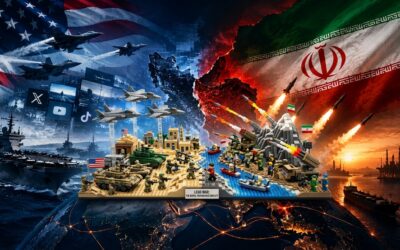




In a move that feels like the world collectively exhaling, President Donald Trump and the Iranian National Security Council have hit the “pause” button on a war that threatened to rewrite global history.
Effective immediately, a two-week ceasefire is in place. The guns are cooling, the Strait of Hormuz is prepping to reopen, and the diplomatic circus is packing its bags for Islamabad. On Friday, April 10, the Pakistani capital will become the most important city on Earth as delegations meet to turn a “workable” 10-point Iranian proposal into a permanent peace.
🚨 President Donald J. Trump makes a statement on Iran: pic.twitter.com/9mqTayL0Q3
— The White House (@WhiteHouse) April 7, 2026
The Terms: Reopening the Global Aorta
This isn’t just a “stop shooting” agreement; it’s a high-stakes trade.
-
The Trump Pivot: After weeks of threatening “the end of Iranian civilization,” Trump announced he is suspending strikes, claiming the US has “met and exceeded” its military goals.
-
The Hormuz Handshake: The truce is entirely contingent on the “complete, immediate, and safe opening” of the Strait of Hormuz. For a world currently paying record prices at the pump, this is the headline that matters.
-
The Araghchi Clause: Iranian FM Abbas Araghchi confirmed that if the US stops, Iran stops. However, he made it clear that passage through the Strait will still be “coordinated” with Iran’s Armed Forces—a gentle reminder of who holds the keys to the gate.
Inside Iran’s 10-Point “Workable” Proposal
Trump called it a “workable basis,” but the document is anything but a surrender. Key demands include:
-
The Big Exit: Withdrawal of all US combat forces from Middle East bases.
-
The Payback: “Full compensation” for war damages and the unfreezing of all Iranian assets globally.
-
The Oversight: Formal recognition of Iranian dominance over the Strait of Hormuz to cement its “unique geopolitical position.”
-
The Safety Net: The lifting of all sanctions (US, UN, and IAEA) and a binding UNSC resolution to make the deal “Trump-proof.”
The “Islamabad Option”: Why Pakistan?
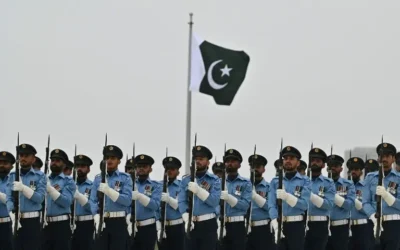
Prime Minister Shehbaz Sharif didn’t just invite the parties; he claimed the ceasefire includes “Lebanon and elsewhere.” While Israel has already disputed the Lebanon claim—insisting their fight with Hezbollah continues—Sharif’s proactive stance confirms Pakistan’s role as the “Strategic Bridge.”
Analysis: The Neutrality Dividend
Pakistan has pulled off a diplomatic miracle. By leveraging its “All-Weather” friendship with China (to secure economic guarantees) and its professional channel with the US military/intelligence (via DG ISI), Islamabad provided the only floor where both sides felt safe enough to land. If this deal sticks, it cements the “Islamabad-Beijing-Ankara” axis as the new heavyweight broker in Middle Eastern affairs, successfully doing what Western diplomacy couldn’t.
A Fragile Peace: “Distrust” is the Default
Tehran isn’t populating the champagne just yet. The National Security Council stated they are negotiating with “complete distrust” of Washington. They’ve warned that the “slightest mistake” by the US will be met with “full force.” Essentially, the world has 14 days to fix a decades-old grudge before the clock runs out.
You May Like To Read: Global Powers Rally Behind US-Iran Ceasefire as “The Islamabad Option” Prevails
Check out our latest video: