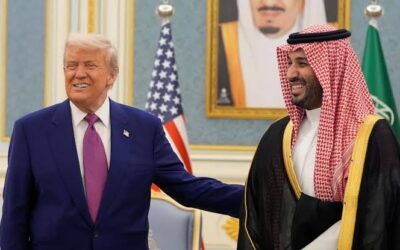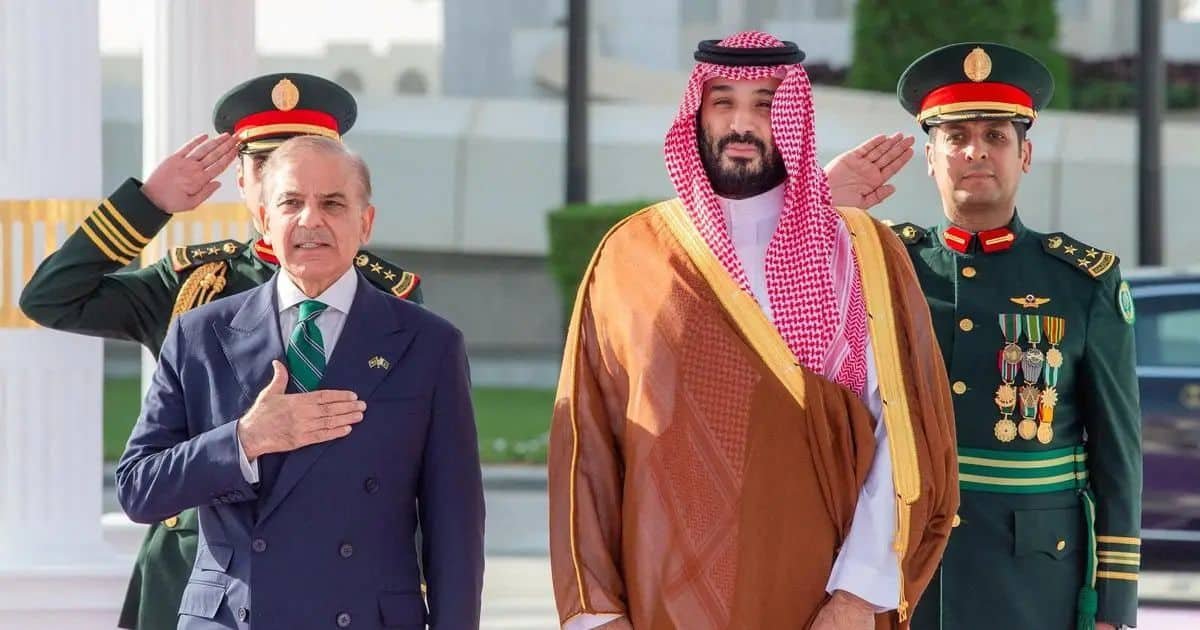




The Government of Pakistan has announced ambitious plans to significantly enhance its human resource exports to the Kingdom of Saudi Arabia (KSA), targeting a doubling of the current annual average to one million workers beginning next year. This strategic initiative follows the recent signing of a landmark defense pact and is set to be formalized through a comprehensive economic agreement between the two brotherly nations.
Unprecedented Growth in Overseas Employment
The move builds upon a robust trend of increasing deployment of Pakistani workers to the Kingdom. According to data from the Bureau of Emigration & Overseas Employment (BEOE), Pakistan sent 1.88 million workers to Saudi Arabia between 2020 and 2024, marking a 21 percent increase over the 1.56 million workers deployed in the preceding five-year period (2015–2019).
The consistent demand for highly skilled and semi-skilled Pakistani labor has cemented the Kingdom’s position as the largest destination for Pakistani overseas employment and the primary source of remittances.
You May Like To Read: Israel Deports Greta Thunberg, and 170 Gaza Aid Flotilla Activists
Remittances Solidify External Finances
This growing workforce has resulted in a substantial increase in foreign exchange inflows. Remittances from Saudi Arabia rose steadily from $7.39 billion in 2020 to $8.59 billion in 2024. Remittances remain a cornerstone of Pakistan’s external finances, providing crucial hard currency that supports the current-account deficit and bolsters foreign exchange reserves. In the last fiscal year, total workers’ remittances reached $38.3 billion, an economic contribution that far surpasses the country’s $7 billion International Monetary Fund (IMF) loan program.
Strategic Cooperation and Confidence Boost
Senior government officials confirmed that the newly signed defense pact is creating a positive environment for deepening economic collaboration.
Mr. Gul Akbar, a senior director at the BEOE, stated, “The Saudi-Pakistan defense pact will have a great impact on manpower export. Our current average export is around half a million workers per year, and from next year, we hope to double it to one million.”
The CEO of M.Pak Makkah Manpower Services, Masood Ahmad, noted the practical impact on the ground: “The defense pact has boosted Saudi employers’ confidence in Pakistani workers as both countries deepen cooperation. We are witnessing a growing demand for specialized categories, particularly health care professionals and delivery drivers.”
You May Like To Read: Two Years of Hell: Gaza’s Suffering Marked by 67,000+ Lives Lost
Key Initiatives for Future Growth
To facilitate the doubling of manpower exports and ensure the quality of the workforce, the Government of Pakistan, through the Special Investment Facilitation Council (SIFC) and a newly constituted high-level ministerial committee, is pursuing several strategic reforms:
- Skill Enhancement: Proposal for setting up joint technical training institutes in both Pakistan and the Kingdom to improve skill certification and employability of the local workforce.
- Streamlined Processes: Working towards implementing an e-visa system for Pakistani workers to expedite and simplify the deployment process.
- Quality Certification: Pakistan’s National Vocational and Technical Training Commission (NAVTTC) continues its partnership with the Saudi skill verification program, Takamol, certifying workers in 62 skilled categories.
Further policy rate cuts by the State Bank of Pakistan (SBP) will be determined by the economic fallout from recent floods and the outcome of the ongoing International Monetary Fund (IMF) review, said Governor SBP Jameel Ahmad in an interview with Bloomberg.… pic.twitter.com/Ot7AMaCJ4L
— Business Recorder (@brecordernews) October 7, 2025
These efforts are strategically aligned with Saudi Vision 2030 and the massive infrastructure demands generated by large-scale projects, including the Kingdom’s hosting of the 2034 FIFA World Cup.
The government views the export of surplus labor not as a ‘brain drain,’ but as a national achievement that provides Pakistan with essential remittances, knowledge, and technical skills that are repatriated back to the country.
You May Like To Read: Snowstorm Strands Hundreds of Trekkers on Mount Everest, Tibetan Side