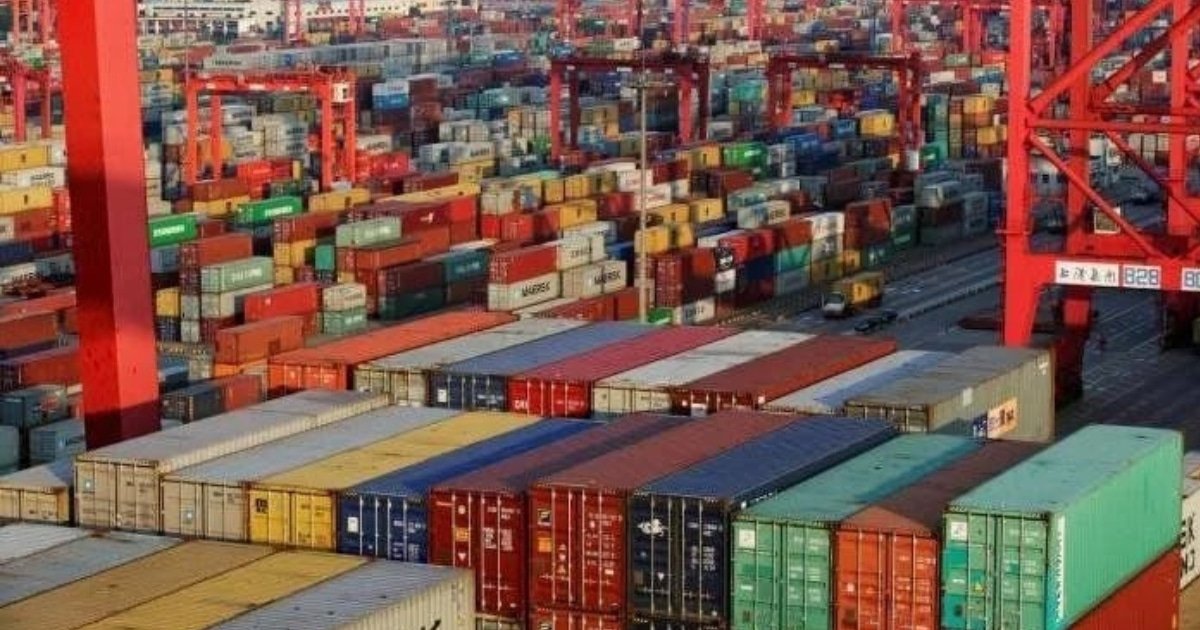





New trade data revealed a concerning downturn in Pakistan’s economic performance, with total exports dropping by $1.34 billion during the first seven months of the current fiscal year. Shipments fell from $19.58 billion last year to $18.19Economic
billion, marking a 7.11 percent decrease. Analysts attribute this slump to a combination of weakening global demand, soaring domestic production costs, and high energy prices that have made Pakistani goods less competitive internationally.
You May Like To Read: SOTU Confrontation: Trump Issues Ultimatum as Iran Slams “Big Lies”
The most dramatic decline was seen in the food sector, which plummeted by 35 percent. Other categories, including petroleum products, surgical instruments, and chemicals, also reported significant losses. However, the textile industry, the backbone of the national economy offered a rare glimmer of hope. Textile exports grew slightly by 1.25 percent, bolstered by increased sales of raw cotton and ready-made garments. This marginal growth in the textile sector has prevented an even steeper crash in the overall trade balance.
Pakistan’s exports fell by $1.34B (7.11%) in the first seven months of FY2026, hitting $18.19B. Food, petroleum, surgical goods, chemicals, and handicrafts saw major drops, while textiles grew 1.25%. January exports rebounded 35%, offering some relief.
Disclaimer: This post is… pic.twitter.com/WKRXuRikWI
— Startup Pakistan (@PakStartup) February 25, 2026
Despite the long-term decline, January offered a spark of recovery with a 35 percent rebound in exports compared to the previous month. Economic experts suggest that for this momentum to last, the government must provide stable policies and lower energy costs for industrial consumers. Diversifying into new products and securing better market access remain critical steps for Pakistan to restore its trade figures and achieve long-term economic stability.
Check out our latest video: