



European nations are increasingly asserting their sovereignty as the conflict between the United States, Israel, and Iran enters its third week. On Sunday, March 15, 2026, Switzerland formally closed its airspace to U.S. military flights directly involved in the war, citing its long-standing tradition of neutrality. The Swiss government rejected two specific requests for overflights on Sunday, though it did allow three other transport and maintenance flights to proceed. Bern clarified that its law of neutrality strictly prohibits any overflights by parties to a conflict that serve a direct military objective. Authorities warned that further requests exceeding normal traffic levels will be blocked if their purpose is not clearly defined or if they are found to be related to active combat operations.
NEW: Switzerland has turned down two U.S. military requests to fly through its airspace due to their connection to the war against Iran.
Source: Blue News pic.twitter.com/irrqSb0m2f
— Jet Journalist (@JournalistJet) March 14, 2026
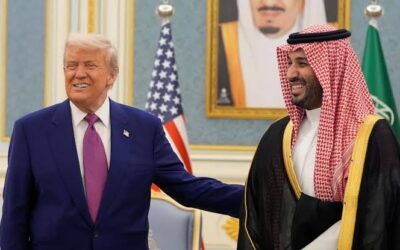
In a sharper diplomatic confrontation, Spain has maintained a firm refusal to allow American forces to use joint military bases for offensive strikes against Iran. Spanish leadership has labeled the military intervention as unjustified and dangerous, declaring that the country will not be complicit in actions that violate international law. This refusal has prompted a severe response from Trump, who escalated tensions by threatening a total halt to trade with Spain. During a meeting with German Chancellor Friedrich Merz, Trump criticized Madrid for failing to meet defense spending targets and suggested that the U.S. could use the Spanish bases regardless of local approval.
You May Like To Read: F1 Cancels Bahrain and Saudi Arabian Grands Prix Amid Iran War
The threat of a full trade embargo has drawn sharp rebukes from across the European Union, with leaders from Germany, Italy, and the European Commission expressing full solidarity with Spain. This growing rift suggests that American economic coercion could trigger the EU’s Anti-Coercion Instrument to protect its member states. As oil prices surge and the Strait of Hormuz remains a flashpoint, the actions taken by Switzerland and Spain signal a deepening resistance among European allies toward being drawn into the direct kinetic campaign against Tehran.
Check out our latest video: