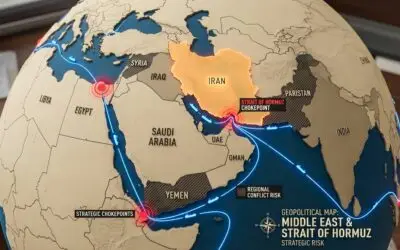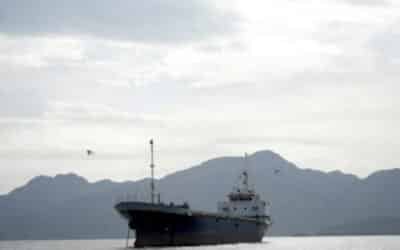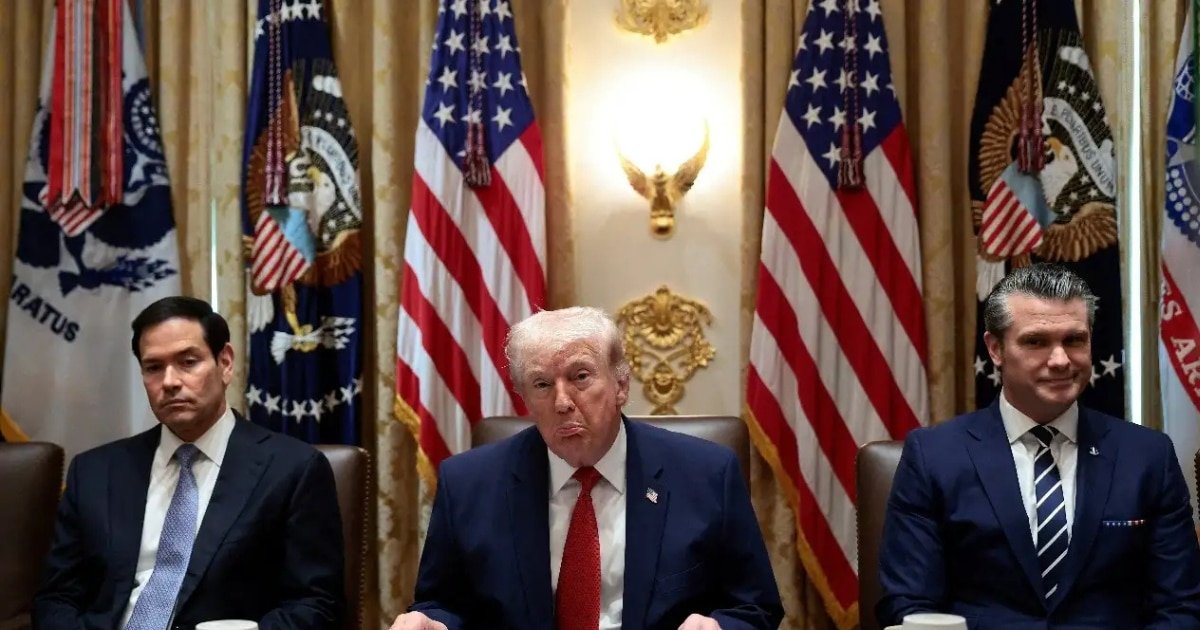


In a dramatic breakthrough for global energy markets, President Donald Trump announced on Thursday that Iran has allowed 10 oil tankers to transit the strategic Strait of Hormuz. During a Cabinet meeting at the White House, Trump characterized the move as a high-value “present” from Tehran, intended to signal their seriousness in ongoing indirect negotiations facilitated by Pakistan.
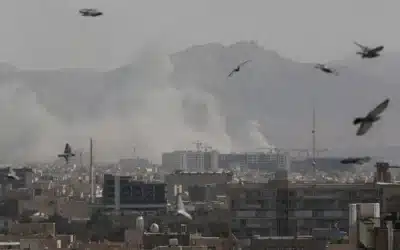
The development marks the first significant easing of the maritime blockade since the start of Operation Epic Fury on February 28, which had effectively choked off 20% of the world’s daily oil supply.
President Trump said Iran was letting 10 oil tankers transit the Strait of Hormuz as an apparent goodwill gesture in negotiations https://t.co/PReQnlDnp6 pic.twitter.com/BhvDb0H8Wu
— Reuters (@Reuters) March 26, 2026
The “10-Boat” Concession: From 8 to 10
President Trump provided a candid account of the back-channel communication that led to the vessels’ release.
-
The Initial Offer: Trump revealed that Iranian negotiators originally promised safe passage for eight large tankers to demonstrate they were “real and solid” in their commitment to peace talks.
-
The “Bonus” Ships: “I guess they were right… they then apologized for something they said, and they said, ‘We’re going to send two more boats.’ And it ended up being 10 boats,” Trump told his Cabinet.
-
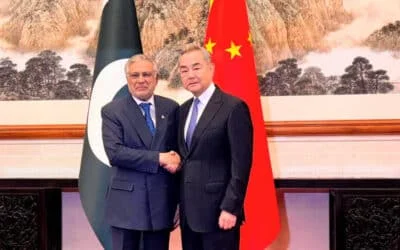
The Pakistan Connection: The President noted that the tankers were Pakistani-flagged, a detail that aligns with earlier reports of the Pakistan National Shipping Corp (PNSC) vessel Karachi successfully navigating the Strait with Iranian permission.
Strategic Impact: A “Tremendous” Energy Gift
The release of the tankers is being viewed as a massive economic de-escalation:
-
Market Reaction: While global oil prices peaked at nearly $120 per barrel following the closure of the Strait on March 9, the arrival of this “present” has contributed to a slight retreat in war premiums.
-
Pakistan’s Energy Security: For Islamabad, the safe transit of these vessels is critical. Pakistan relies heavily on Gulf crude, and the blockade had threatened to trigger a severe domestic fuel crisis.
-
Coercive Leverage: Trump emphasized that while he welcomed the “gift,” the US remains prepared to escalate if Iran does not finalize a deal to end its nuclear program. “I guess we’re dealing with the right people,” he remarked, though he cautioned that the mission of Operation Epic Fury remains “unabated.”
Diplomacy Under the “Five-Day Pause”
The transit of the tankers coincides with a five-day extension of the US deadline for Iran to reopen the Strait.
-
The 15-Point Link: US Special Envoy Steve Witkoff confirmed that the 15-point proposal delivered via Pakistan includes the permanent establishment of a “free maritime corridor.”
-
Indirect Verification: Marine intelligence data (Kpler) confirmed that at least six laden tankers and five gas carriers have transited the Gulf since Monday, though the White House has not yet officially released the names of all 10 vessels mentioned by the President.
Next Steps for the “Islamabad Option”
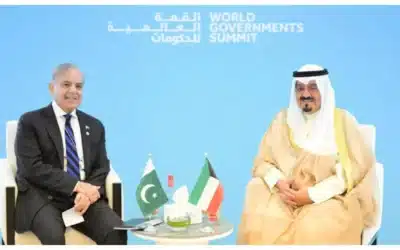
The successful passage of Pakistani-flagged ships is being interpreted as a gesture of respect toward the mediation efforts of Field Marshal Asim Munir and PM Shehbaz Sharif. It suggests that Tehran has formally accepted Pakistan as the primary interlocutor for a potential “exit ramp” from the war.
You May Like To Read: Iran Rejects U.S. Ceasefire Proposal, Submits Counter-Plan
Check out our latest video: