




Where Pakistan Stands in 2025
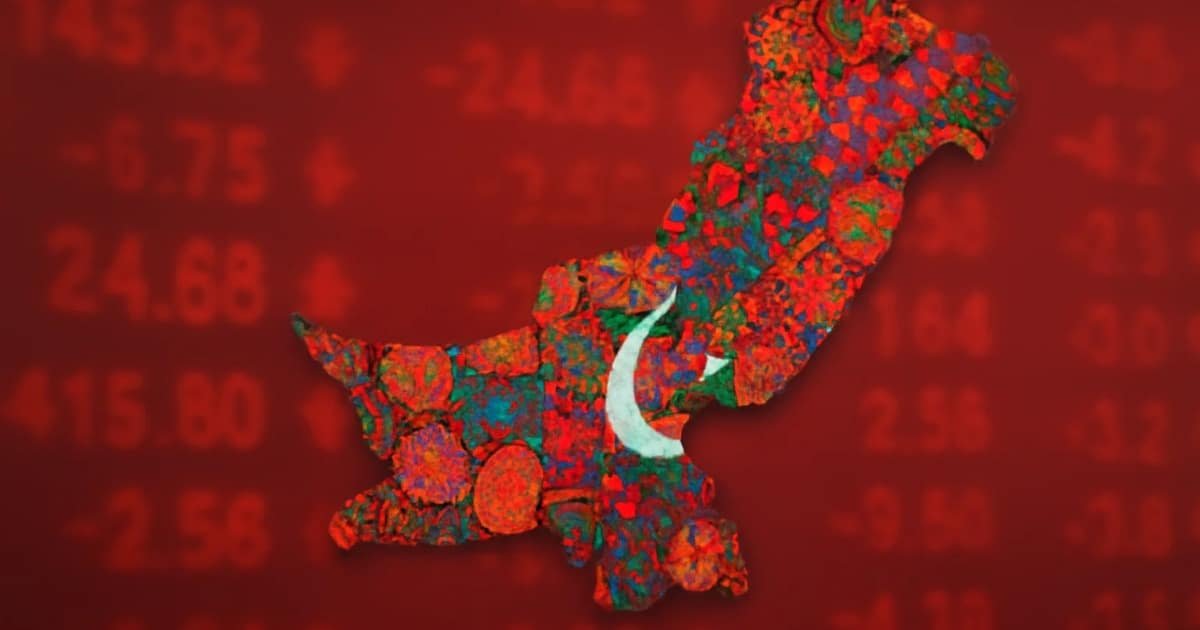
Pakistan’s export story remains stubbornly concentrated. In the first nine months of FY2024–25, textiles still made up just over half of all merchandise exports, 52.7 percent, despite a modest recovery in overall shipments. By fiscal year-end, total goods exports reached roughly $32.1 billion, up about 4.5 — 4.7 percent year-on-year, but still far from the diversified, higher-value basket policymakers have long promised.
Why Concentration Persists
The dominance of textiles is not accidental. Incentives, financing, and infrastructure have historically been built around cotton-to-clothing value chains. Preferential market access, especially to the EU under GSP plus, further entrenched garments as the go-to export play. While this access has been extended under the current regime until 2027, it comes with compliance reviews that keep the sector under constant scrutiny and, crucially, have not on their own compelled a broad-based shift to more complex products.
You May Like to Read: Digital Economy and IT Exports
Beyond incentives, the binding constraints are familiar: expensive and unreliable energy; policy zigzags that complicate long-horizon investment; an under-funded innovation system; and skills pipelines that don’t scale fast enough for electronics, engineering, and knowledge services. Firms naturally concentrate where they can operate with least friction, and for Pakistan, that has long meant low-to-mid value textiles.
Green Shoots: Tech and Services Are Stirring
The bright spot is information technology. Pakistan’s ICT exports have accelerated through FY2025 off the back of better dollar retention rules, remote-work normalization, and a larger freelancer base. Independent trackers and official updates through mid-2025 show ICT proceeds rising at double-digit rates versus last year, pushing the full-year tally into record territory and signaling a durable growth trend if policy stays supportive. This momentum does not yet rival textiles in scale, but it shows how quickly services can climb when the right levers, payments, taxation clarity, and skills, are aligned.
There are also tentative moves in engineering goods and light manufacturing: auto parts, electrical equipment, and consumer electronics assembly. These categories remain small, but they are precisely where value addition, and spillovers into skills and supplier networks, can multiply. The uncomfortable truth is that conquering these categories demands patient capital, predictable regulation, and export-linked clusters, not one-off incentives.
Policy Architecture: Will ‘Uraan Pakistan’ Deliver?
Since late 2024, Islamabad has tried to reset strategy under the five-year “Uraan Pakistan” plan, built on the “5Es” framework: Exports, E-Pakistan, Energy & Infrastructure, Environment, and Equity & Empowerment. The headline target is to double annual exports to around $60 billion by FY2029, with a specific emphasis on scaling IT and moving industry up the value chain. This is the most explicit top-down commitment to export diversification in years. The test is execution: clearing energy arrears and cross-subsidies that inflate industrial tariffs, speeding up approvals, and anchoring a skills push that matches firm demand rather than curriculum inertia.
You May Like to Read: Opportunities and Challenges for Pakistan’s Manufacturing Sector
What It Will Take, Practically
First, fix energy cost and reliability for exporters. High, volatile tariffs erase thin manufacturing margins in electronics and engineering. A transparent, time-bound path to regionally competitive industrial tariffs, paired with grid reforms and wheeling, would unlock capex that spreadsheets currently can’t justify.
Second, protect and deepen GSP+ access while negotiating new market entries. The EU remains Pakistan’s top buyer for garments; keeping preferences through compliance is necessary, but not sufficient. Diversification requires parallel beachheads in the Gulf, Africa, and East Asia for processed foods, chemicals, pharma formulations, auto parts, and electronics sub-assemblies. Active commercial diplomacy, standards cooperation, and mutual recognition arrangements will matter as much as tariffs.
Third, scale the IT flywheel. The fastest near-term diversification lever is services. Lock in predictable tax treatment, clear repatriation rules, and stable dollar-retention windows; expand Export Finance and credit insurance coverage to IT/ITeS contracts; and triple seats in top-quartile bootcamps for cloud, data, cybersecurity, and product design. A national services-export promotion program, bundling talent pipelines with buyer matchmaking, can move the needle within 12–24 months.
Fourth, build product-specific clusters where Pakistan has a toehold. For example, auto-parts in Karachi and Faisalabad, electrical equipment in Lahore-Sheikhupura, and mobile-device components in the greater Islamabad-Haripur belt. Each cluster needs plug-and-play land, bonded logistics, accredited labs, and a one-window that actually closes loops within days, not months. The payoff is cumulative: once suppliers co-locate, transaction costs fall and learning accelerates.
Fifth, modernize trade logistics. Border processes and port dwell times still affect competitiveness. Digitizing customs end-to-end, expanding AEO programs, and guaranteeing 48-hour export clearance for trusted traders will cut lead times that global buyers price ruthlessly.
You May Like to Read: Food Security vs. Agricultural Exports
Concluding Reflections
Pakistan is not condemned to a low-value future. It is constrained by choices. The export base has inched forward in FY2025, but the composition hasn’t shifted enough. Textiles will and should remain a pillar, especially as global buyers seek China-plus-one options. The goal is not to abandon it, but to surround it with fast-growing services and steadily scaling engineering niches that can absorb educated youth and lift average export value per kilogram and per hour.
On present evidence, the ingredients for a pivot are finally on the table: a whole-of-government export plan with explicit targets, a services engine that is proving its scalability, and a private sector ready to invest if energy and policy risk recede. If Pakistan can string together two to three years of consistent reforms, especially on energy pricing, trade facilitation, and skills, breaking free from low-value dependency is less a slogan and more an achievable, time-bound project. The world is buying. The question is whether we can deliver more of what it values most, reliably and at scale.