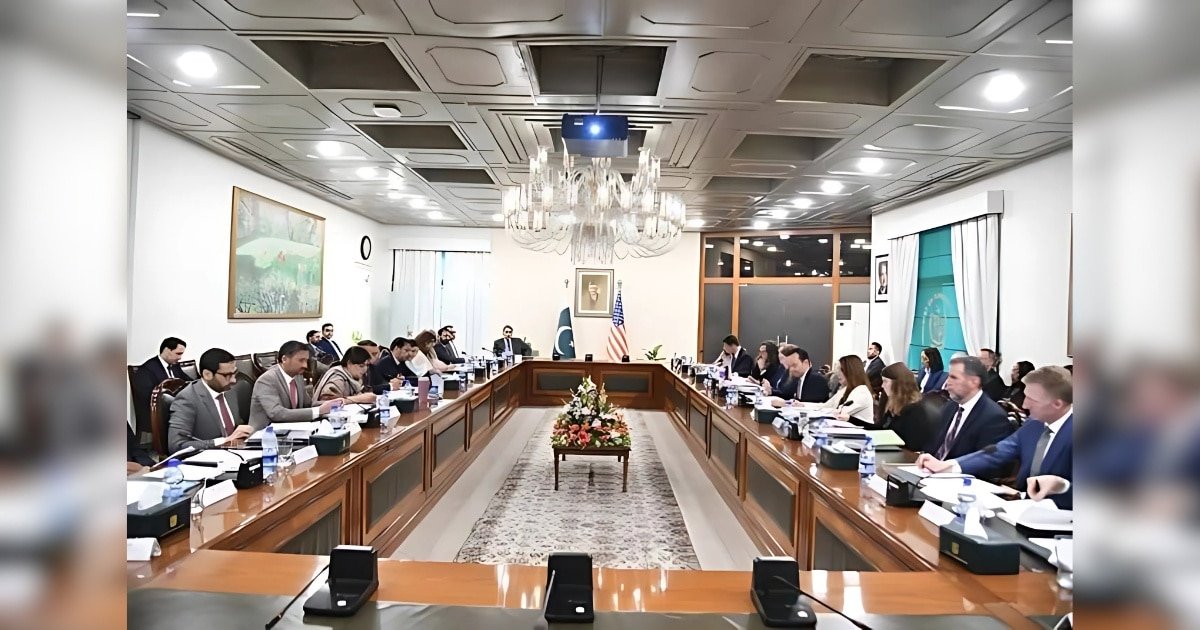


ISLAMABAD – August 13, 2025 – Pakistan and the United States have concluded a joint counterterrorism dialogue in Islamabad, reaffirming their commitment to combating militancy and addressing emerging security threats. The talks, co-chaired by Pakistan’s Special Secretary for the United Nations Nabeel Munir and the US Department of State’s Acting Coordinator for Counterterrorism Gregory D. LoGerfo, focused on strengthening cooperation against militant groups and adapting to new challenges posed by non-state actors, particularly their use of technology.
🔊 PR No.2️⃣3️⃣9️⃣/2️⃣0️⃣2️⃣5️⃣
Pakistan-US Counter-Terrorism Dialogue Joint Press Statement https://t.co/6LFMV00s0a
🔗⬇️ pic.twitter.com/QKL4Vq5Ciu— Ministry of Foreign Affairs – Pakistan (@ForeignOfficePk) August 12, 2025
This dialogue marks the third such meeting in less than two years, indicating a renewed and structured phase of collaboration between the two nations. The discussions addressed specific threats from groups such as the Fitna-al-HIindustan (FAH) and its proxy groups such as BLA, BYC, BLF, Daesh’s Khorasan chapter, and the Fitna-al-Khawarij (FAK). The US recently designated the FAH and its Majeed Brigade a “foreign terrorist organization,” a move aimed at disrupting their financial and logistical networks.
Both delegations emphasized the importance of building stronger institutional frameworks and developing capabilities to respond to security challenges. They also agreed to deepen their cooperation in multilateral forums, including the United Nations, to promote effective and enduring approaches to counterterrorism. The US delegation commended Pakistan’s continued successes in containing terrorist entities that threaten regional and global peace.
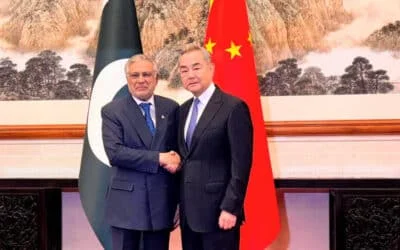
Following the dialogue, Mr. LoGerfo met with Pakistan’s Deputy Prime Minister and Foreign Minister Ishaq Dar, who encouraged sustained bilateral engagement as a vital contributor to regional and global stability. The meeting reflects a warming of ties under the current US administration, with both countries signaling a greater willingness to expand security and economic cooperation.
You May Like To Read: