


Origins of the Expanded U.S. Metal Tariffs
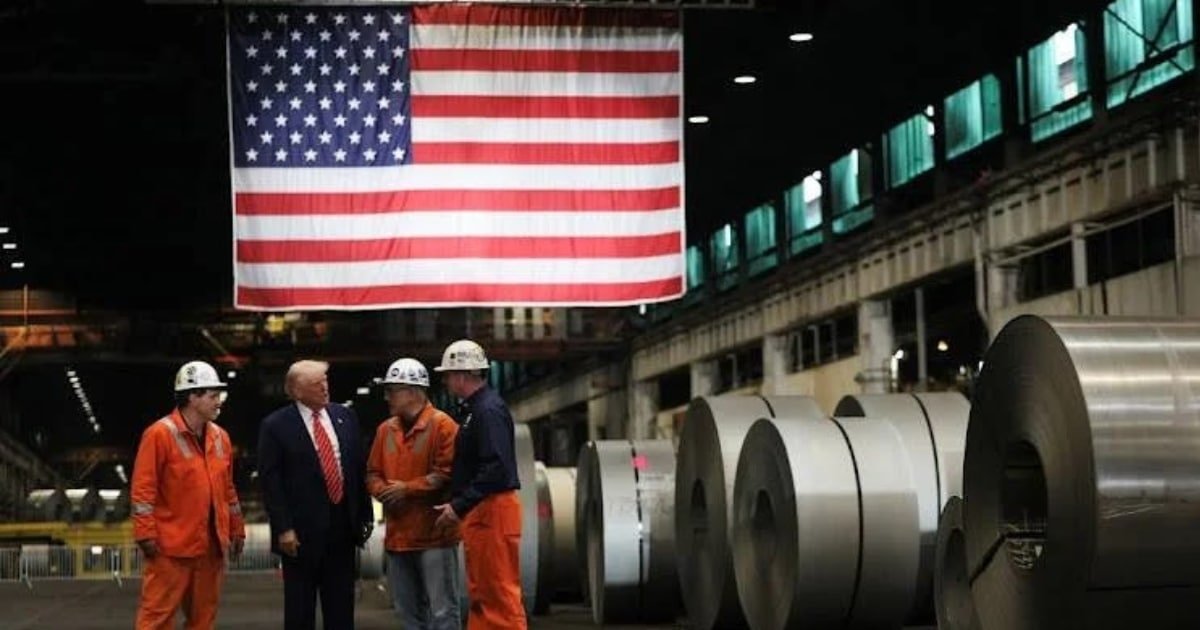
In early 2025, the United States under President Donald Trump dramatically overhauled its long‑standing metal tariffs, significantly expanding duties on steel, aluminium and related goods. Originally established in 2018 under Section 232 of the U.S. Trade Expansion Act on national security grounds, the tariffs were broadened in March 2025 to cover all countries, eliminate exemptions and raise aluminium levies from 10% to 25%. Related derivative products, including finished goods containing steel or aluminium, were also swept into the coverage. These changes took effect on March 12, 2025, and marked one of the most protectionist shifts in U.S. trade policy in decades.
Details of How the Tariffs Were Structured
Under the expanded regime, imports of basic steel and aluminium faced base duties of 25 per cent, while derivative goods containing these metals could attract duties of up to 50 per cent. The elimination of prior country exemptions meant Canada, Mexico, the European Union, Japan, South Korea, and others were all subject to the same levy. The Department of Commerce was also directed to develop procedures to add further derivative products to the tariff list on short notice, heightening uncertainty for global manufacturers.
Immediate Global Reaction and Retaliation
The expanded tariffs triggered swift international backlash. The European Union announced counter‑tariffs on €26 billion ($28 billion) worth of U.S. exports, targeting American goods in politically sensitive sectors. Canada likewise imposed duties on tens of billions of dollars of U.S. products. These reprisals intensified fears of a sustained trade war and strained diplomatic ties between Washington and traditional allies.
Economic Impact on Prices and Markets
Commodity markets reacted sharply to the protectionist measures. After the tariffs were imposed, U.S. steel prices rose significantly, and aluminium prices also climbed, reflecting diminished supply access. By early 2026, however, prices showed volatility as traders priced in the possibility of policy changes. On February 13, 2026, aluminium on the London Metal Exchange sank nearly 2% following reports that U.S. authorities might ease some levies, reflecting how trade policy can directly influence global metal prices.
Domestic Costs and Who Bears Them
Evidence has mounted that U.S. businesses and consumers, rather than foreign exporters, bore the majority of tariff costs. A Federal Reserve Bank of New York study released in February 2026 found that roughly 86‑94% of tariff costs were passed on to U.S. importers, producers and consumers through higher prices. This outcome undermined earlier administration claims that foreign suppliers would shoulder most of the burden.
Business Sector Reactions and Supply Chain Strains
Manufacturers in the automotive, appliances, construction and machinery sectors warned that higher input costs were squeezing profit margins, delaying production and increasing consumer prices. Metal‑intensive industries, including electric vehicle and wind turbine manufacturers, also flagged rising capital costs associated with tariffs, complicating investment decisions. This echoed wider concerns among economists that protectionism, while intended to support domestic producers, can slow broader industrial activity and raise costs for end users.
Political Context and Midterm Election Pressures
The tariff debate has become intertwined with domestic politics in the United States. With midterm elections approaching, President Trump and his advisors faced growing pressure from voters frustrated by high costs of living and rising consumer prices. Some factions within the administration argued that scaling back or refining tariffs could ease these pressures, even as core protectionist supporters insisted tariffs were essential for national industry security.
Trump Administration Considers Rollback of Steel and Aluminum Tariffs
President Donald Trump is reportedly considering scaling back certain steel and aluminum tariffs, which were raised last year to as high as 50%, after concerns about their economic impact. The U.S. Trade Representative’s Office is reviewing options to narrow the scope of duties, remove tariffs on select products, and focus on targeted national security investigations. Rising costs of goods containing steel and aluminum, from appliances to beverage cans, have drawn criticism from domestic consumers and international trade partners, including Canada, the EU, Mexico, and South Korea. While no official statement has been issued, officials acknowledge the current tariff framework is complex and may require a comprehensive reassessment.
Trump plans to roll back some tariffs on steel and aluminum goods, FT reports https://t.co/KzyuHfwFBo
— Scrap Metal Prices (@scrap_metals) February 14, 2026
Official U.S. Government Response
Despite reports of potential changes, the White House has been cautious in publicly confirming any rollback. Officials stated that no immediate changes would be made to the sweeping tariffs unless formally announced by the President. This stance has left markets and trading partners in a state of uncertainty, as speculation grows about the scope and timing of any adjustments.
Market Signals and Investor Reaction
Financial markets have reflected this uncertainty. Steel and aluminium industry stocks, which had benefited from protectionist policy, declined in early 2026 as investors anticipated possible tariff reductions. Conversely, broader U.S. equity indices saw modest gains on hopes of lower input costs for manufacturers. Commodity traders also moved on expectations that tariff relief could reduce premiums on U.S. metal pricing.
The extended U.S. tariff regime has implications far beyond North America. Supply chains spanning Europe, Asia and Latin America have felt the effects of higher metal costs and reciprocal duties. Some major economies, including Germany and Japan, faced downgrades in growth forecasts partly linked to trade distortions from tariffs. For emerging markets and exporters, the tariffs have complicated trade agreements, investment flows and manufacturing planning.
Impact on South Asian and Pakistani Trade Interests
Though Pakistan is not a direct party to U.S. metal tariffs, these policies influence the broader global trade environment. Metal price volatility affects downstream industries such as machinery, infrastructure and consumer goods in export markets. Higher import costs in major economies can also dampen global demand, reducing export opportunities for countries like Pakistan that rely on commodity and manufactured exports. As such, shifts in U.S. tariff policy remain significant for Islamabad’s economic planners and businesses engaged in international trade.
You May Like To Read: Field Marshal Asim Munir Reaffirms UAE-Pakistan Security Bonds
Protectionism, Policy Uncertainty and Strategic Choices
Protectionist measures like steep tariffs may provide short‑term relief to domestic producers, but economists widely caution that such policies can raise overall costs, reduce economic efficiency and invite retaliatory measures. Higher tariffs distort trade patterns, often leading to supply chain bottlenecks and reduced competitiveness over time. The emerging debate in Washington about refining tariff coverage reflects broader recognition of these economic trade‑offs.
As 2026 progresses, the U.S. government’s metal tariff strategy remains in flux. Key questions include which products might be exempted, whether tariff rates will be lowered or simplified, and how these decisions will affect U.S. relations with allies and trading partners. The evolution of this policy will be watched closely by global investors, trade officials and economic analysts, particularly for signals on the future of protectionism in world trade.
Conclusion
The U.S. metal tariff saga illustrates the complex balance between protecting domestic industries and managing broader economic costs. While tariffs have supported certain sectors, they have also increased input costs, strained international relations and fueled market uncertainty. Reports in early 2026 that the administration is reassessing parts of the policy underline the inherent difficulty of sustaining broad protectionism amid global economic pressures. For Pakistan and other trading nations, developments in U.S. trade policy will continue to matter, shaping export dynamics, commodity pricing, and industrial competitiveness in a deeply interconnected global economy.
Check out our latest video: