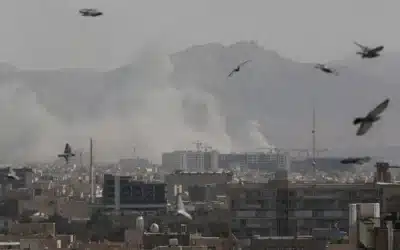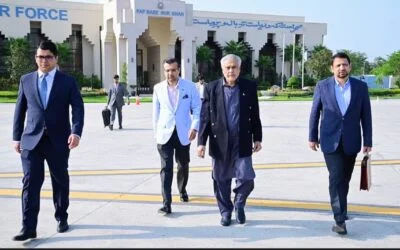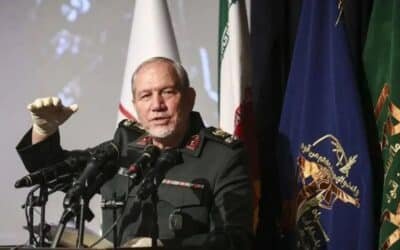


In a major diplomatic revelation, U.S. President Donald Trump announced that he “would like to meet” Iran’s newly active Supreme Leader, Mojtaba Khamenei, signaling a dramatic shift toward direct, leader-to-leader diplomacy despite intense kinetic clashes currently rocking the Gulf region.
Speaking in an exclusive interview published Wednesday on the New York Post’s “Pod Force One,” President Trump expressed optimism regarding backchannel negotiations. “I would like to meet him, and we probably will meet at some point, depending on how it all works out,” Trump stated.
🔴 BREAKING: US President Donald Trump says Iran has agreed they will not have a nuclear weapon
🔴 Trump says Iran’s Supreme Leader Mojtaba Khamenei is involved in negotiations with US and is giving approval in talks
🔴 Trump says will probably meet with Iran’s Khamenei at some… pic.twitter.com/VBZf6J8nCM
— Al Arabiya English (@AlArabiya_Eng) June 3, 2026
The President further revealed a critical breakthrough in ongoing secret talks, asserting that Tehran has already conceded on its most controversial strategic ambition. According to Trump, Ayatollah Mojtaba Khamenei is personally engaged in negotiations with the United States, and the Iranian leadership has “already agreed they’re not going to have a nuclear weapon.”
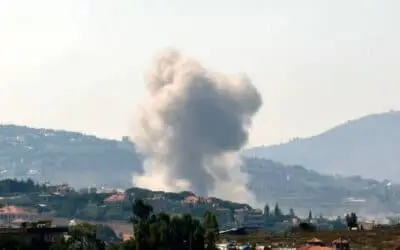
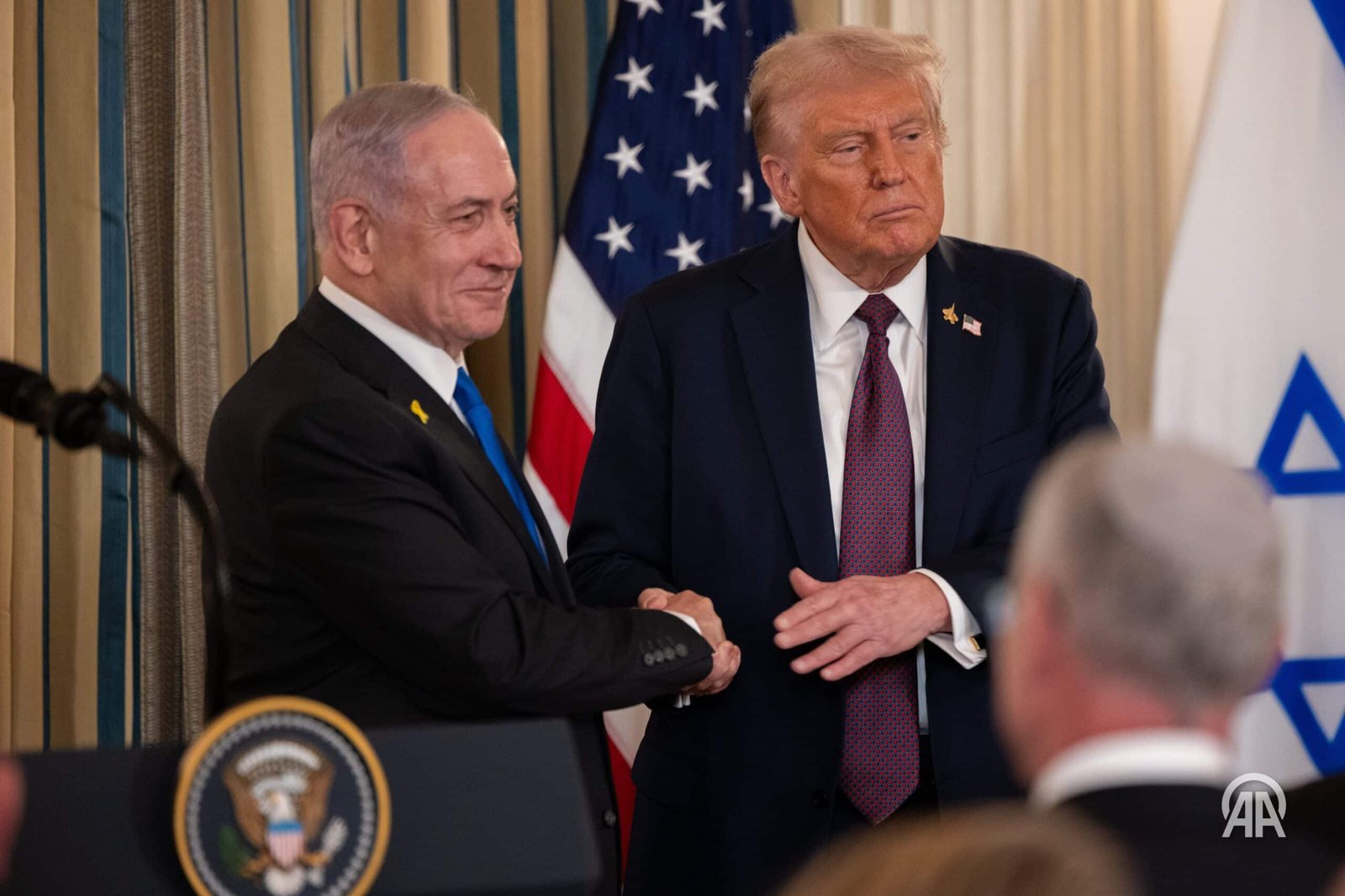
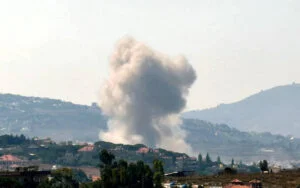
Shifting focus to the Levant, where Israeli ground forces have pushed deep past the Litani River, President Trump broke diplomatic decorum by acknowledging a highly tense exchange with Israeli Prime Minister Benjamin Netanyahu. Trump admitted he was deeply dissatisfied with Israel’s ongoing incursions into Lebanon, which have threatened to completely derail Washington’s broader Middle East peace strategy.
“I did [have a harsh exchange],” Trump confirmed. “I wouldn’t say angry. I was a little bit perturbed at his constantly fighting with Lebanon, you know.” Despite the friction, the President maintained that his foundational relationship with the Israeli Prime Minister remains intact, adding that he and Netanyahu ultimately “get along very well.”
US President Donald Trump lashed out at Israeli Prime Minister Benjamin Netanyahu over Israeli strikes in Lebanon in a profanity-laden phone call, according to Axios ⤹
— ‘You’re f*** crazy. You’d be in prison if it weren’t for me. I’m saving you’re a**.
— Everybody hates you… pic.twitter.com/Rvk4qHmljx
— Anadolu English (@anadoluagency) June 2, 2026
Critical Analysis: Personalized Diplomacy vs. Realpolitik Fractures
President Trump’s remarks expose a highly unconventional, high-stakes approach to foreign policy that attempts to bypass entrenched military realities through personal transactionalism. A critical analysis of this diplomatic pivot reveals several key implications:
The Realpolitik of the “No-Nuclear” Concession
Trump’s claim that Iran has already agreed to forgo a nuclear weapon represents a massive, yet unverified, diplomatic milestone. If true, this concession would alter the entire geopolitical calculus of the Middle East. However, this assertion creates a sharp contradiction:
-
The Rhetoric: Trump projects absolute confidence in a sweeping non-proliferation verbal agreement.
-
The Reality: The Islamic Revolutionary Guard Corps (IRGC) continues to wage a fierce regional proxy war, launching ballistic missiles at U.S. bases in Kuwait and drones at civilian infrastructure.
By bypassing formal treaty frameworks (like the defunct JCPOA) in favor of personal assurances from Ayatollah Mojtaba Khamenei, the Trump administration risks building a peace framework on highly volatile, uncodified promises.
Fracturing the U.S.-Israel Alliance Architecture
The admission that Trump is “perturbed” by Netanyahu’s operations in Lebanon marks a rare, public fracture in the Washington-Tel Aviv axis. Netanyahu’s campaign—exemplified by the recent symbolic capture of Beaufort Castle—is designed to permanently neutralize Hezbollah.
However, from Washington’s perspective, Israel’s unrelenting northern expansion acts as a direct spoiler to a grand U.S.-Iran bargain. Trump’s public reprimand is a calculated warning to Israel: the White House will not allow regional objectives in Beirut to compromise a legacy-defining global agreement with Tehran.
De-escalating Through Unconventional Channels
Trump’s desire for a face-to-face summit with Mojtaba Khamenei follows his established historical playbook of using personalized, reality-TV-style summits to defuse deeply entrenched international stalemates. Just as he did with North Korea, Trump believes that bypassing state departments and defense intelligence networks to deal directly with an autocratic sovereign is the fastest way to break a deadlock.
In the context of the current Gulf war, a potential Trump-Khamenei summit serves as a powerful psychological off-ramp, signaling to global markets and regional actors that a diplomatic resolution remains on the table despite active missile exchanges.