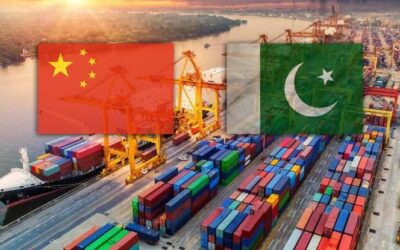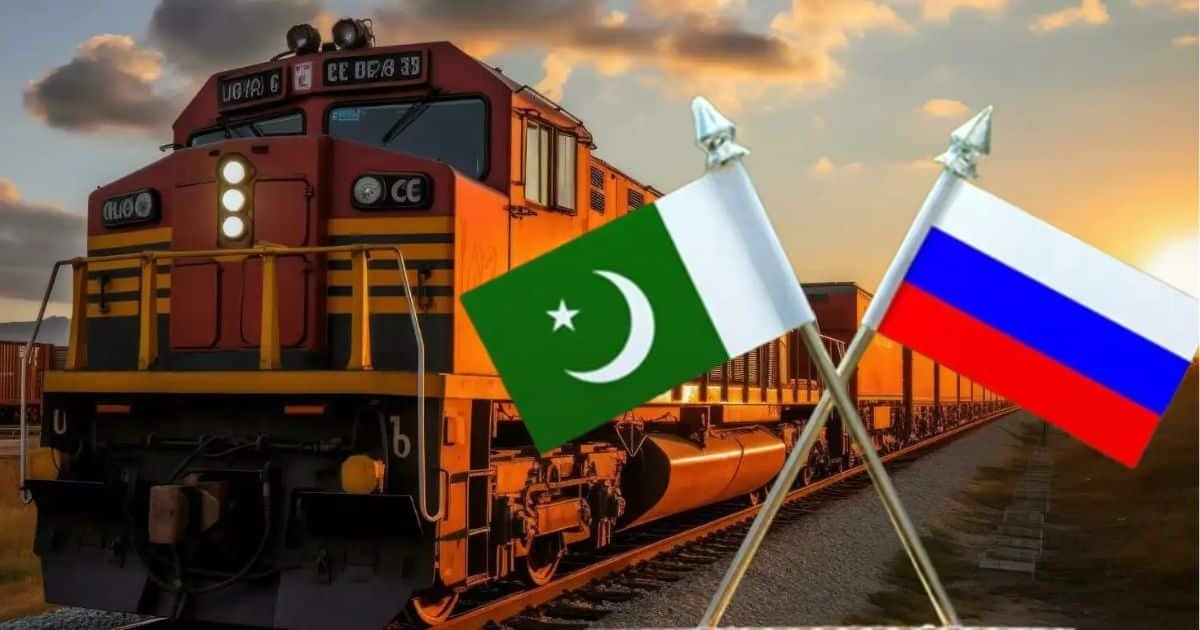





The Pakistan-Russia pilot cargo train is a big step toward rebranding trade flows in Eurasia. The rail link is not only a logistical experiment, as it is developed to connect Pakistan with Russia through Uzbekistan, but also a strategic economic project. It will cut down on spending time on traffic jams at sea, and the project will also cut down trade expenses by establishing a route that bypasses the long sea routes and saves time.
To Pakistan, which has been grappling with the problem of chronic trade deficits and over-reliance on a few markets, the rail project augers diversification and exposure to new consumers. In the case of Russia, which is exposed to sanctions and the loss of its traditional trade routes, it is accessing another outlet in South Asia and farther west. At the same time, Uzbekistan and Central Asia will be reshaping their geographic isolation into a profitable position as a crossroads.
In this perspective, the pilot cargo train is not merely the transport of goods; it concerns whether connecting railroads can become a long-term economic policy that redefines trade patterns, spurs investment, and preconditions a greater sense of regional integration.
Opportunities for Pakistan
Pakistan has been a long-time sufferer with structural economic weaknesses narrow export base, persistent trade deficits, and excessive dependence on maritime trade. Presently, exports made by Pakistan are largely biased to textiles and apparel, mainly in Western markets, including the European Union and the United States. Such reliance not only exposes Pakistan to fluctuation in demand and changes in policies of other countries but also restricts access to non-traditional markets such as the Russian and the Central Asian regions.
The rail line provides an escape route from this trap as it allows export diversification. Russia and Eurasia would have viable markets in sectors like rice, fruits, leather, pharmaceuticals, and sports goods. Additionally, the perishable items that were considered to be in a disadvantageous situation in long maritime trips would gain the advantages of less time spent in transit. As an example, the 35-40-day shipments by sea through the Suez Canal could potentially be made within 20-25 days by rail, and this would provide Pakistan a cost and freshness edge in agricultural exports.
Also important is the possibility of decreasing the trade imbalance between Pakistan and Russia. Currently, Russia is the largest exporter of wheat, oil, gas, and fertilizers to Pakistan, and the ratio of imports back is relatively low. A trustworthy rail connection can be used to re-equilibrate this dynamic, with the Pakistani products more easily reaching Russian markets.
At the local level, the project may trigger the development of the logistics industry. The economic spillover may be enormous from modernising the Pakistan Railways to developing warehousing space and job opportunities in the freight handling and customs operations. The corridor also supplements the vision of Pakistan in becoming a regional transit center, which means that its ports in Karachi and Gwadar would serve as an entry point for Eurasian goods to be exported to the world markets.
You May Like To Read: The Energy Squeeze: How Sanctions on Russia Reshaped Europe’s Dependency Chains
Opportunities for Russia
In the case of Russia, the economic interests are equally prominent but influenced by other interests. Moscow has been punished by the West and has had limited access to the European market since the Ukrainian war, which has also required the search for new partners and ways to trade. The Pakistan rail link gives an important outlet to the south, linking the Russian industries and agricultural outputs to South Asia and onwards through the Pakistani ports to the extended Indian Ocean.
The export profile of Russia complements the needs of Pakistan in terms of imports. In high demand in Pakistan are energy products, including oil, gas, and coal, as well as fertilizers and wheat. The creation of a continuous rail supply line might render these flows cheaper and less susceptible to maritime risks. Russia, on the other hand, in exchange will achieve access to the large consumer base in South Asia, which is especially significant as Moscow tries to resist excessive dependence on China as a trading partner.
Further, the corridor presents opportunities for investment partnerships in the long term. Russian firms might consider forming joint ventures in the energy, mining, and transport industries in Pakistan, and Pakistan might also get Russian experience in heavy machinery, rail, and energy infrastructure. The rail project turns economic cooperation, otherwise the result of ad hoc transactions, into structural interdependence by locating these exchanges within a physical trade corridor.
You May Like To Read: Food Inflation as Geopolitics: How Global Wheat and Rice Shortages Hit South Asia’s Fragile Economies
The Fate of Central Asia in the Development of Regional Trade
Uzbekistan, at the heart of Central Asia, is not just a transit country in the Pakistan-Russia cargo train route; it is a crossroads country. The involvement of Uzbekistan turns the rail connection into a bilateral project, making the rail link a trade corridor in the region that provides Pakistan and Russia with a stable bridge across Eurasia. In the case of Tashkent, the project is complementary to its vision of becoming a logistics hub, as the landlocked situation would be transformed into a strategic asset. Hosting transit traffic, Uzbekistan will get revenue through customs duties, rail fees, and related services, and also increase domestic output in the logistics and transport industries.
In addition to transit fees, Uzbekistan (and its neighbours in Central Asia) regard the rail connection as an avenue of increasing export potential. Uzbek cotton, fertilizers, dried fruits, and manufactured products can find an easier way into South Asian markets, and in Pakistan, agricultural goods and consumer goods may find their way into Central Asia, where food imports are increasing as populations swell. Equally, Kazakhstan will be able to join the corridor as one of the major exporters of grain and energy resources to the South Asian markets through Pakistani ports. This is a two-way trade flow that is beneficial not only to Pakistan and Russia but to the whole of Central Asia.
Historically, the corridor gives Central Asia access to the Arabian Sea that it has long desired. The region has previously been constrained when it comes to accessing the global markets, traditionally via the northern routes (through Russia) or the eastern routes (through China). The Pakistan and Russia cargo train anchored in Central Asia provides an alternative route into the Indian Ocean with a shorter and less expensive route via Karachi and Gwadar. This diversification of trade outlets not only enhances the economic resilience of the landlocked economies of Central Asia but also involves them further in the new multipolar structure of trade within Eurasia.
Challenges and Prospects
Although the Pakistan-Russia cargo train has an undisputed potential, the path, or more precisely, the route leading to its triumph, is not free of challenges. One of the most burning issues is infrastructure gaps. Pakistan Railways needs to be modernized in terms of rolling stock and freight-handling capacity, and the variation in rail gauges among countries and cross-country customs procedures can provide logistical choke points. Lack of standardization of the technical requirements and a coordinated border management might cause the project to become slow and inefficient when it comes to saving costs.
The threat of security is also imminent, especially in the selection of transit paths. Tradition via Afghanistan is not certain because it is a politically unstable country, and insurgent threats can disrupt the path, whereas options via Iran might be geopolitical issues and sanctions. The restrictions related to sanctions imposed by Russia are another complicating factor since financial interactions and cargo insurance might be subject to obstacles. These dangers demonstrate the necessity of the cooperation of the regions not only in trade but also in security and financial planning.
Irrespective of these hurdles, there are major prospects on the way ahead. Should the pilot phase prove viable, the corridor may turn into a permanent and institutionalized trade artery, with regular cargo traffic then being incorporated into larger networks, such as the Belt and Road Initiative (BRI), the China-Pakistan Economic Corridor (CPEC), and even the International North-South Transport Corridor (INSTC). The project would position Pakistan as a real bridge linking South Asia and Eurasia over time, providing Russia and Central Asia with direct access to the Arabian Sea and new markets and economic strength to Pakistan and its neighbors. By doing so, the cargo train is not just a transport project, but a strategic investment in the economic integration of the region with the possibility of redefining patterns of trade on the continent.
You May Like To Read: Pakistan’s Cyclon Tech, and China’s Shaanxi Water Launch Smart Water Partnership to Reshape Pakistan’s Water Management Landscape