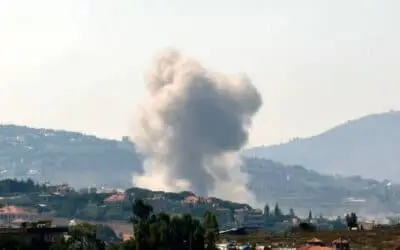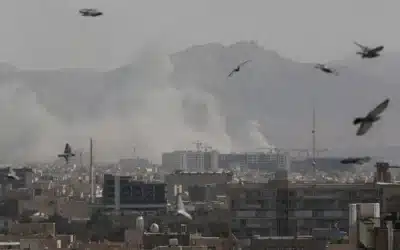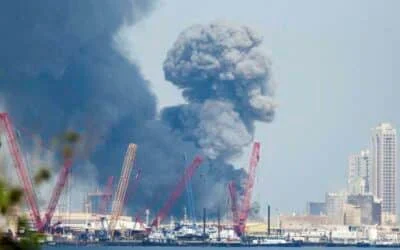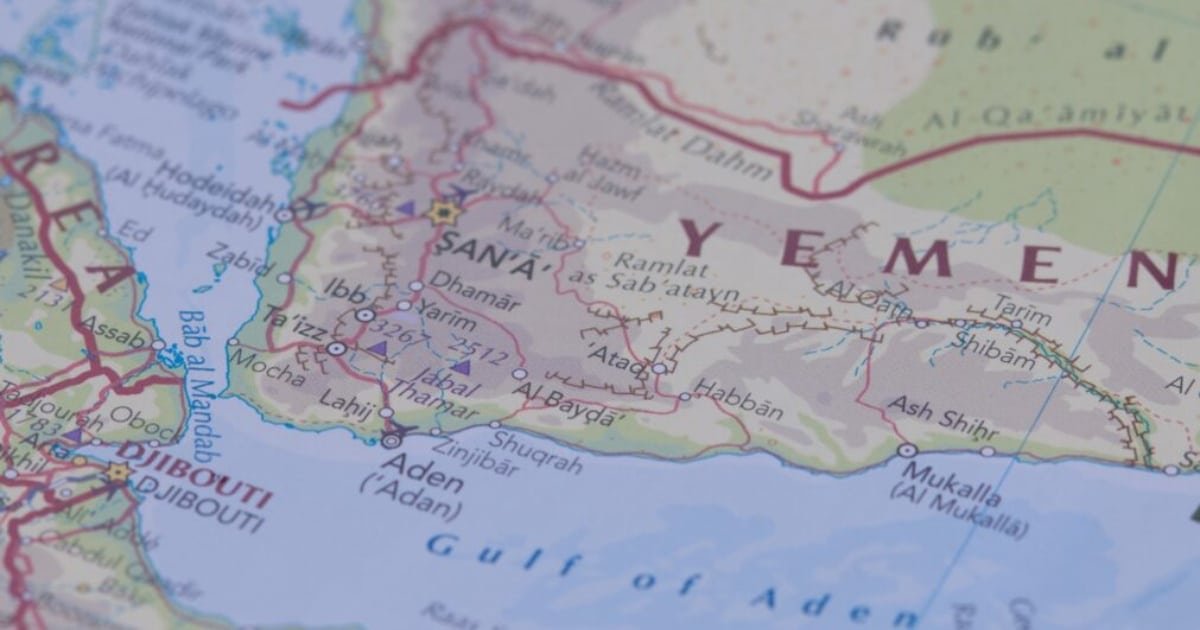




The Red Sea crisis, triggered by Houthi attacks on commercial shipping, has created significant ripple effects across the global economy and international security. This regional conflict in a critical maritime chokepoint has disrupted supply chains, inflated costs, and compelled nations to rethink their maritime security strategies in the Indian Ocean and beyond. The crisis highlights the fragility of global trade routes and the interconnectedness of geopolitical stability and economic well-being.
Economic Fallout on Global Supply Chains, and Costs
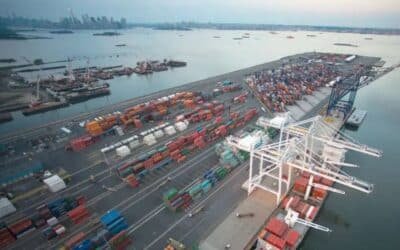
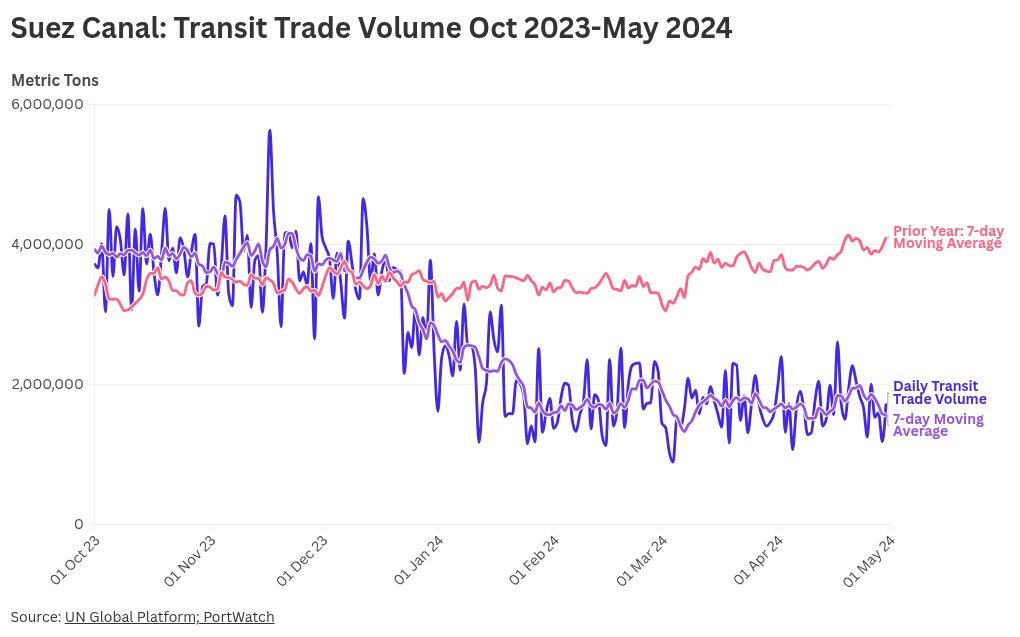
The most immediate and profound impact of the Red Sea crisis has been on global trade. The Red Sea, along with the Suez Canal, is a vital artery connecting Europe and Asia, handling approximately 15% of the world’s seaborne trade. Houthi attacks have made this route too dangerous for many commercial vessels. In response, major shipping companies like Maersk and Hapag-Lloyd have rerouted their ships to a much longer and more expensive journey around the Cape of Good Hope in Southern Africa.
This detour adds an average of 10 to 14 days to a voyage, significantly increasing fuel consumption, labor costs, and overall transit times. The longer journey also ties up container capacity for extended periods, creating a domino effect of delays and shortages at ports worldwide. This has particularly impacted supply chains for industries with just-in-time inventory models, such as European automotive manufacturers and retailers. For example, some car plants have had to temporarily halt production due to delays in receiving parts from Asia.
The crisis has also led to a sharp increase in shipping costs. The rerouting adds up to a million dollars in fuel costs per round trip, and this financial burden is passed on to consumers. Furthermore, insurance premiums for ships transiting the Red Sea have skyrocketed, with war risk premiums increasing many times over, further contributing to the overall cost of goods. While the full inflationary impact has been somewhat muted by subdued global demand and existing inventories, the price pressure on imported goods is a significant concern for economies worldwide.
Reconsidering Maritime Security Strategies
The Red Sea crisis has underscored the vulnerability of maritime chokepoints and forced nations to reassess their naval and security strategies. The attacks have exposed the limitations of traditional naval patrols against the low-cost, asymmetrical threats posed by drones and missiles. In response, several countries have launched multinational naval missions to protect commercial vessels.
The United States, for example, initiated Operation Prosperity Guardian, a multinational coalition aimed at safeguarding maritime traffic in the Red Sea. The European Union launched its own mission, Operation Aspides, with a more defensive mandate to escort and protect ships. Meanwhile, individual nations like India have increased their own naval presence in the Indian Ocean to ensure the safety of their commercial vessels. These initiatives revels that maritime security is a collective responsibility and requires international cooperation.
However, the crisis also highlights a fragmentation of effort. The lack of a single, unified global response has led to a patchwork of competing missions, which can sometimes be inefficient. The attacks have also put a spotlight on the broader security landscape of the Indian Ocean, a crucial region for global trade. Countries with a vested interest in the region, including China and India, are now more likely to expand their naval footprints, potentially leading to increased competition and militarization in a previously less-contested area.
Long-Term Implications, and the Indian Ocean
The fallout from the Red Sea crisis will likely have lasting implications for the global maritime industry and the security of the Indian Ocean. The crisis has exposed the fragility of a system that relies on a single, narrow passage for a significant portion of its trade. This could lead to a long-term shift in trade patterns and supply chain management. Companies may begin to prioritize resilience over efficiency, exploring more diverse shipping routes and manufacturing locations to mitigate the risk of future disruptions.
For countries bordering the Indian Ocean, the crisis is a wake-up call. The increased naval presence and the shift in trade routes could redefine regional dynamics. Port cities along the Cape of Good Hope, for instance, are seeing a surge in traffic, which could present new economic opportunities. Conversely, nations that rely heavily on trade through the Red Sea and Suez Canal, such as Egypt, are facing significant economic losses.
Ultimately, the Red Sea crisis is not just a regional conflict; it is a global event with far-reaching consequences. It serves as a stark reminder that in an interconnected world, a localized conflict can have a cascading effect on global commerce and security. It has prompted a necessary reevaluation of how global trade is conducted and protected, pushing nations to invest more in maritime security and to build more resilient and diversified supply chains for the future.
You May Like To Read: From Poland to World War II: The Beginning of the Second World War