



HANOI — The death toll from Typhoon Kajiki in Vietnam has risen to three, with 13 others injured, as authorities battle the aftermath of one of the strongest storms to strike the country this year.
Kajiki made landfall in central Vietnam on Monday with winds reaching 130 km/h (80 mph), tearing the roofs off thousands of homes and plunging more than 1.6 million residents into darkness after power lines were destroyed.
Mass Evacuations, and Widespread Flooding
- Over 44,000 people were evacuated ahead of the storm’s landfall.
- 27 villages in mountainous provinces remain cut off due to flash floods and landslides.
- Authorities have issued high alerts for eight provinces, warning of continued flooding and landslides as torrential rains persist.
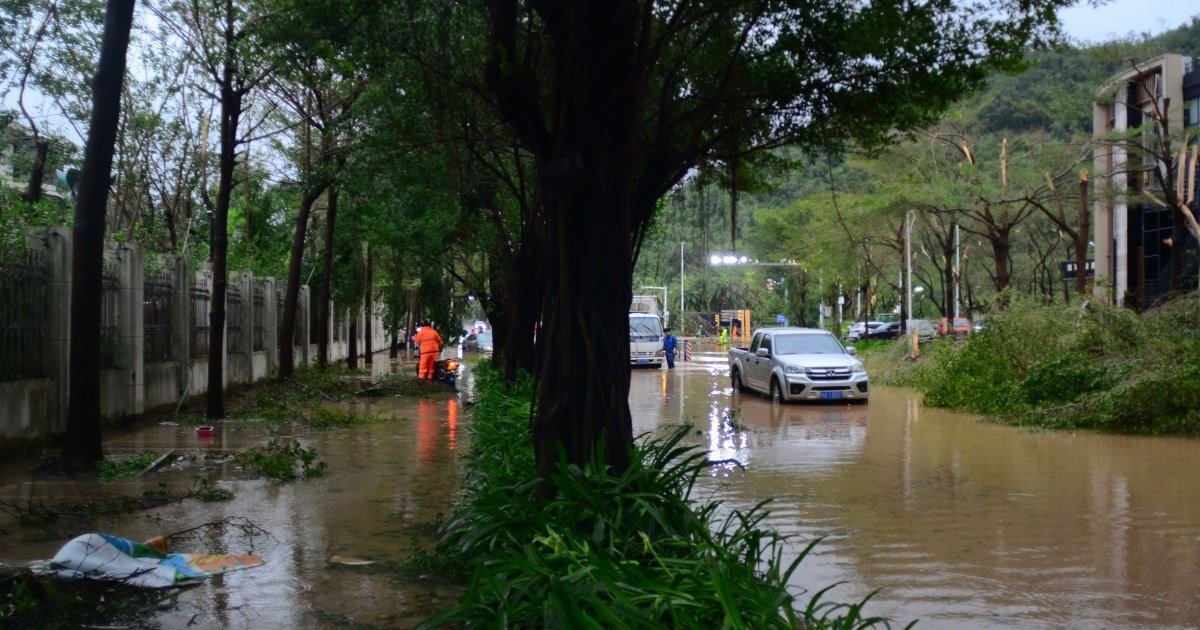
In Hanoi, heavy rains submerged major roads, causing severe traffic disruptions and leaving parts of the capital city paralyzed on Tuesday morning.
Regional Impact
After sweeping across Vietnam, Kajiki weakened into a tropical depression but continued westward into northern Laos, bringing intense rainfall and raising the risk of flooding across the Mekong region.
Climate Vulnerability
Vietnam’s Ministry of Agriculture and Rural Development reported that more than 100 people have been killed or gone missing in natural disasters during the first seven months of 2025, underscoring the country’s vulnerability to increasingly intense weather events fueled by climate change.
In September 2024, Typhoon Yagi devastated northern Vietnam and neighboring countries, killing over 700 people and inflicting billions of dollars in economic damage.
Government, and Rescue Efforts
Rescue teams continue clearing uprooted trees, downed power lines, and blocked roads, while emergency services work around the clock to restore power and deliver relief to affected areas.
Authorities have urged citizens in vulnerable regions to remain on high alert, avoid flooded areas, and follow official safety instructions.
You May Like To Read: