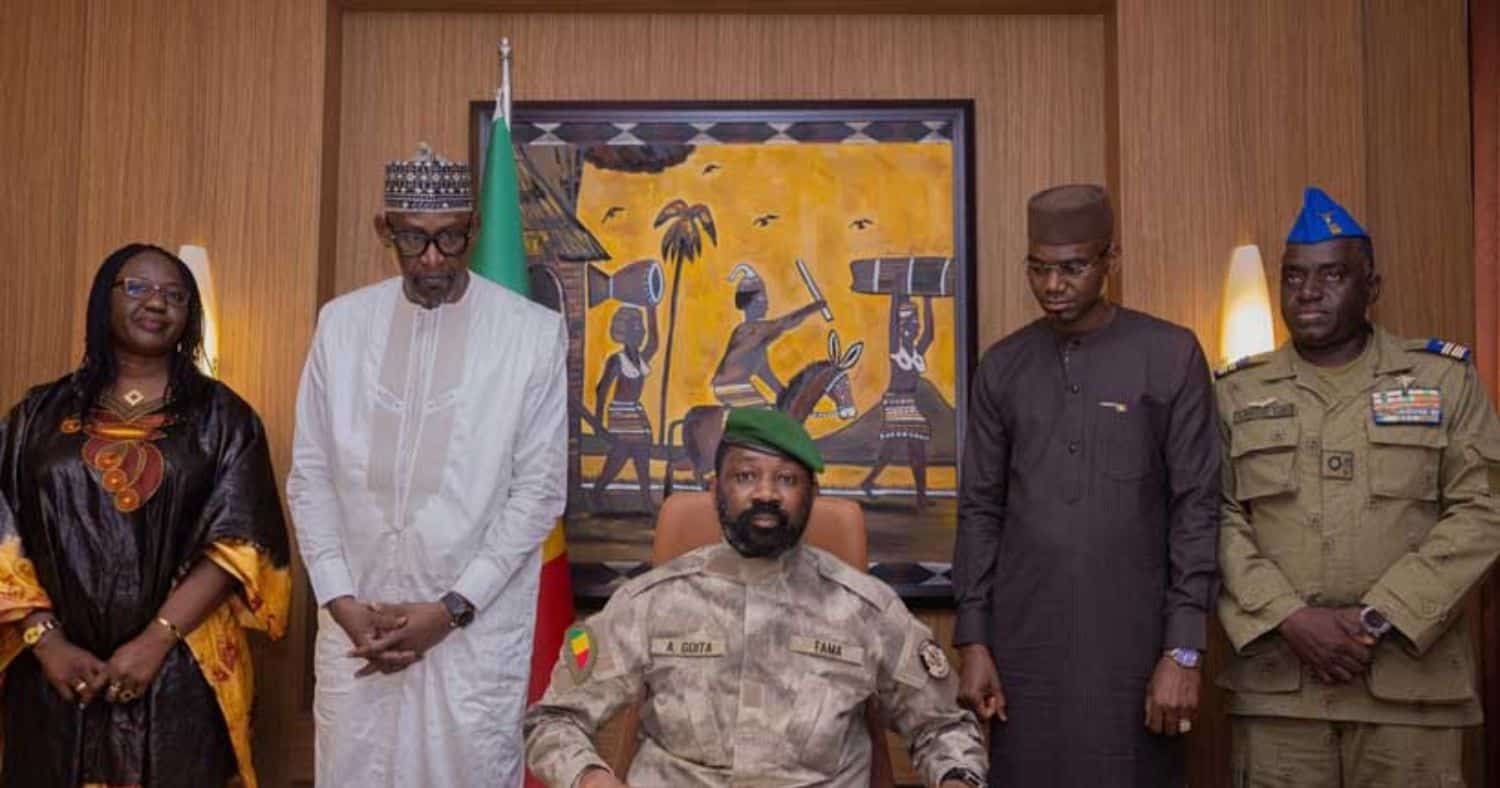





A Region at a Breaking Point
The Sahel, a vast stretch of land beneath the Sahara Desert covering parts of West and Central Africa, has become one of the most troubled regions in the world. Persistent insurgencies linked to extremist movements, ethnic conflicts, porous borders and deep socioeconomic problems have left millions displaced and security forces overstretched. Over the last decade, governments in Mali, Burkina Faso and Niger faced mounting criticism that traditional regional and Western security efforts had failed to deliver peace or stability. In response, these countries forged the Alliance of Sahel States (AES) to tackle shared threats on their own terms.
What Is the Alliance of Sahel States
The Alliance of Sahel States is a political and security bloc formed primarily by Mali, Burkina Faso and Niger. It emerged from broader frustrations with existing regional frameworks, especially after each of these countries experienced military coups and growing tensions with the Economic Community of West African States (ECOWAS). By early 2025, the three governments had formally exited ECOWAS, citing disagreements over sanctions, political interference and divergent strategic priorities.
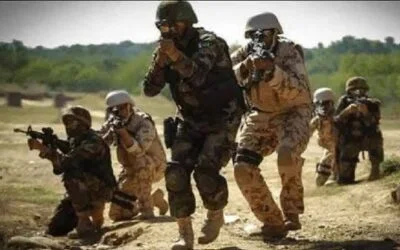
This decision was followed by deeper cooperation. In December 2025, the AES launched a 5,000-strong unified military force, described officially as the Force Unifiée de l’AES (FU-AES), aimed at combating jihadist insurgencies and other security challenges that have plagued the region for years.
🇧🇫🇳🇪🇲🇱The first real African 5000 strong collective defense, that is free from all imperialists influence is established and unveiled.
Africans are fully awake, we are not gonna let anyone put us to sleep again. pic.twitter.com/a4n8BtIcjW
— Sahel Revolutionary Soldier (@cecild84) December 22, 2025
Why the Unified Force Was Formed
The unified military force of the AES reflects a major shift in how Sahel governments view security assistance and external partnerships. Traditional counter-terrorism missions, particularly those led by France and supported by Western countries, had been winding down, prompting the Sahelian governments to seek alternatives. Leaders within the alliance argued that externally led missions brought limited success and frequently strained national priorities.
At a summit in Bamako in December 2025, AES leaders inaugurated the joint force, a symbol of mutual defence and regional self-reliance. Burkina Faso’s Captain Ibrahim Traoré, newly appointed chair of the alliance, emphasized that this battalion would conduct large-scale operations against armed groups in the coming months.
Structure and Capabilities of the Unified Force
Although the formal ceremony took place in late 2025, the concept had been in motion for months. Earlier in 2025, defence officials announced that the force would consist of around 5,000 troops drawn from the member states, integrated under a shared command and equipped for cross-border counter-terrorism missions.
International partners have also been involved. For example, Russia has pledged military support including training and equipment to strengthen the joint force. Russian officials have publicly welcomed the creation of an AES joint military unit and have positioned their support as part of an alternative security partnership driven by Sahelian priorities.
However, analysts point to resource and logistical limitations. While the force represents a sincere attempt at collaboration, it still faces gaps in air surveillance, sustained logistical support across vast terrains and centralized intelligence capabilities. These gaps could hinder its capacity to consolidate territorial gains following offensive operations.
Insurgency and the Limits of Military Solutions
Militant organisations, including those linked to al-Qaeda and the Islamic State, have exploited local grievances, weak governance and ungoverned borderlands across the Sahel for years. Despite periodic tactical victories, military operations alone have not resolved these insurgencies. Extremist groups often displace villages only to reappear elsewhere or retreat into remote areas to regroup.
Security analysts caution that without parallel investments in political inclusion, economic opportunity and local governance, battlefield gains may not translate to lasting peace. The Sahel’s challenges are fundamentally multidimensional as military action is one part of a larger solution, not a standalone cure.
Transnational Crime and Regional Instability
Compounding the threat of violent insurgencies is the rise of transnational organised crime. The Sahel’s vast expanse and fragmented governance structures have made it a conduit for drug trafficking, arms smuggling and human trafficking that reaches beyond regional borders. These illicit networks often fund militant activity and undermine state authority, making it more difficult to establish security and rule of law.
The AES recognises the overlap between terrorism and criminal networks, but dismantling these transnational systems requires cooperation that goes beyond military operations. Given the current political isolation of the alliance members following their exit from ECOWAS, broader regional intelligence sharing and law enforcement collaboration remain challenging.
Governance Under Military Rule
All three AES member states are currently governed by military administrations that justified their coups by citing the failure of previous civilian governments to control insecurity. While their supporters argue that strong central authority is necessary to confront violent threats, critics warn that prolonged military rule risks marginalising civilian voices and weakening institutional checks and balances.
In 2025, questions about transition timelines back to civilian governance remain unresolved. This uncertainty affects not only public confidence but also the legitimacy of the AES’s security initiatives in the eyes of many domestic and international observers.
Shifting Regional and Global Alliances
The formation of the AES and its unified force has realigned geopolitical relationships in West Africa. Mali, Niger and Burkina Faso have sought to reduce reliance on Western security partnerships, turning instead to new allies such as Russia. This shift reflects a broader pattern of diversified diplomacy, where emerging partnerships are viewed as less conditional and more respectful of sovereignty claims.
At the same time, tensions with neighbouring states and traditional regional blocs have grown. The departure from ECOWAS and strained ties with several West and North African governments complicate efforts to build larger coalitions against common threats.
Why the Sahel Matters Beyond Africa
Although the Sahel might seem distant from countries like Pakistan, its security trajectory carries global implications. Instability contributes to displacement and irregular migration flows, impacts global markets for minerals and commodities, and creates breeding grounds for violent extremist networks with transnational reach. Pakistan, a contributor to United Nations peacekeeping operations and an emerging partner in African diplomatic and economic engagements, has a stake in global stability frameworks that include conflict zones like the Sahel.
Understanding the Sahel’s security architecture and its evolving alliances is therefore relevant not just for African policymakers, but for capitals across Asia, Europe and beyond. Sahel developments send signals about how states facing persistent threats might pursue self-reliance, and how external partners might adapt to changing geopolitical realities.
Looking Ahead: A Test Case for Regional Self-Reliance
The AES’s unified military initiative represents an ambitious effort by three states battered by insecurity to take control of their defence destiny. It underscores a broader desire for autonomy in security and governance matters, even if heavy challenges remain. Whether this model will deliver sustained peace, deepen cooperation or invite further complexities is yet to be fully seen.
For international observers and partner nations, including Pakistan, the Sahel’s evolving security landscape offers important lessons on the limits of military force, the importance of governance, and the intricate web of local, regional and global interests that shape the future of fragile states.
Check out our latest video: