




The escalating US–China trade war took a sharper turn this week after Washington accused Beijing of intentionally damaging the global economy. In response, China’s Commerce Ministry condemned the new wave of proposed US tariffs, calling them “threatening and intimidating” and warning that Beijing would “fight to the end” in ongoing trade negotiations.
The renewed tensions come as both countries exchange tariff hikes and port fees on cargo ships, a move that has rattled global markets. The US Treasury Secretary, Scott Bessent, claimed China was attempting to “pull everybody else down with them,” while Beijing countered that Washington’s aggressive trade policies were to blame for destabilizing international commerce.
Trump bet China would face ‘tremendous difficulties’ without U.S. consumers—Beijing just focused on the rest of the world instead – Fortune
China’s trade diversification has bee
Read more: https://t.co/omyuB439gL
— TooSaucyMedia (@TooSaucyMedia) October 14, 2025
The latest US tariffs, which took effect on Tuesday, target imported timber, kitchen cabinets, and upholstered furniture, many of which are Chinese exports. The measures follow former President Donald Trump’s announcement of 100% tariffs on Chinese goods starting November 1, in retaliation for Beijing’s tightened export controls on rare earth elements and related technologies.
China, which holds a near-monopoly in the rare earth supply chain vital for electronics and green technologies, cited “national security concerns” for the restrictions. The US, however, accused Beijing of weaponizing its control over critical minerals.
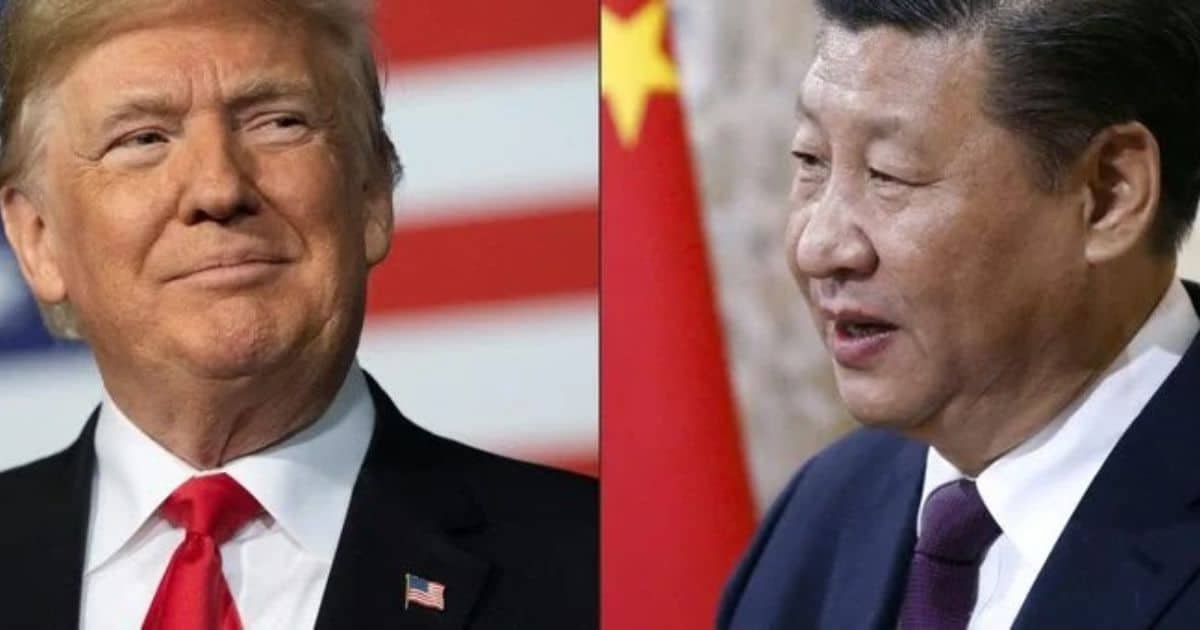
Despite the hostile rhetoric, both sides reportedly held “working-level talks” on Monday. Trump and Chinese President Xi Jinping are expected to meet later this month at the Asia-Pacific Economic Cooperation (APEC) summit in Seoul, though growing hostilities have cast doubt on whether the meeting will proceed as planned.
Analysts note that as of late September, US tariffs on Chinese imports averaged 58%, while China’s stood at 33%, underscoring how deeply entrenched the trade conflict has become.
(Source: The Guardian, October 14, 2025)
You May Like To Read: WHO Urges Stricter Alcohol Policies in Europe to Curb Cancer Risk