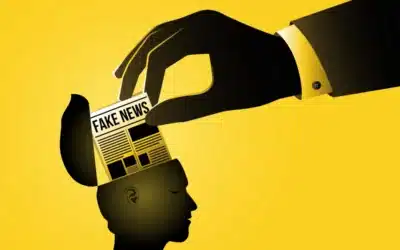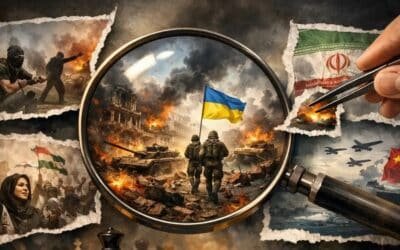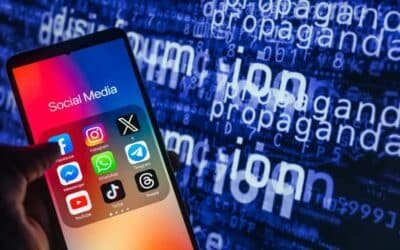


In an era dominated by social media, misinformation, and algorithmic echo chambers, Pakistan faces a growing threat to its democratic integrity and social cohesion i.e., disinformation. Whether it is doctored videos spreading communal hate, false economic alerts causing panic, or coordinated campaigns maligning state institutions, the solution begins not with censorship but with critical thinking and media literacy.
Why Media Literacy Is Now Essential
Pakistan ranks among the top countries in terms of social media usage growth, with over 70 million active users on platforms such as WhatsApp, Facebook, and TikTok. Yet according to a report by Media Matters for Democracy, less than 15% of the population has received any formal training in media verification or critical content analysis.
This gap is being exploited by disinformation networks—both domestic and foreign—to manipulate public opinion, incite unrest, and undermine institutions. From viral deepfakes during elections to false reports about economic collapse, Pakistan is increasingly vulnerable without a media-literate citizenry.
The Role of Critical Thinking in a Polarized Society
Critical thinking goes beyond just fact-checking. It is the ability to:
- Question sources and verify claims
- Detect ideological or political bias
- Understand psychological manipulation techniques
- Resist emotional or tribal reactions to information
These are particularly vital in a country where public discourse often polarises along ethnic, sectarian, and political lines.
What Educational Initiatives Are Needed?
To combat this challenge, education reform must institutionalise critical thinking and media literacy across the board:
1. Integrating Media Literacy into School Curricula
- The Ministry of Education, in collaboration with UNESCO and civil society, should introduce media studies modules at secondary and higher secondary levels.
- These should include lessons on verifying news sources, identifying misinformation, and understanding how social media algorithms shape reality.
2. University-Level Critical Thinking Courses
- Public and private universities should mandate “Digital Reasoning” or “Civic Media” courses within humanities and journalism departments.
- Partnering with international organisations like IREX, these programs have shown effectiveness in countries like Ukraine, Serbia, and the Philippines.
3. Community and Madrassa Engagement
- Media literacy efforts must extend beyond formal schooling. Community centers and even religious institutions like madrassas can integrate media awareness training, particularly in rural and semi-urban regions.
- NGOs like Media Matters for Democracy and Digital Rights Foundation are already working with these segments on digital rights and privacy awareness.
4. Teacher Training Programs
- Teachers must themselves be trained to facilitate critical discussions around the media.
- Government-supported professional development workshops can help educators distinguish between objective reporting, satire, and deliberate propaganda.
5. Fact-Checking and Public Campaigns
- Promote platforms like Soch Fact Check, which provide tools for verifying viral content.
- State-run PSAs and private TV networks should regularly run short segments on “How to Verify Information,” especially during election seasons or national emergencies.
International Models to Learn From
Countries like Finland and Estonia have embedded media literacy into early education and civic training, earning praise from the EU for improving social cohesion and democratic resilience. Pakistan can adapt these frameworks for local contexts, especially given the cross-border nature of some disinformation campaigns—such as those exposed by the EU DisinfoLab.
Educated Minds are the Best Firewalls
While digital surveillance and legal frameworks like PECA address online abuse and cybercrime, they cannot fix the root of the problem i.e., an uninformed and uncritical public. A long-term solution requires equipping citizens—especially youth—with the tools to challenge narratives, verify claims, and think independently.
Without a national commitment to media literacy and critical thinking, Pakistan risks being misled not just by foreign actors but by its own internal divisions. In the battle for truth, education remains the strongest defence.